Graffiti Art Legacy!
Graffiti Art Legacy!Posted by Owen Murphy on 02-11-2026
Art and Architecture
Graffiti has become an important part of contemporary art, but its early history was not always carefully recorded. Many painted subway cars disappeared before anyone could preserve their appearance, leaving photographs as some of the few lasting records of this creative movement.
American photographer and documentary filmmaker Henry Chalfant dedicated years to capturing this changing culture.

A Photographer Who Preserved an Urban Art Movement
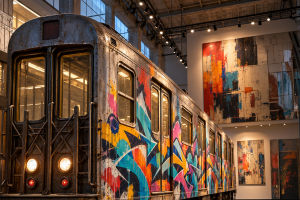
Henry Chalfant began photographing New York's subway graffiti in the early 1970s. At the time, relatively few people were systematically documenting the painted trains and the artists responsible for them. Chalfant became interested in capturing the artwork before it disappeared. Subway cars were constantly moving, meaning he had limited opportunities to photograph each piece. Some paintings were eventually covered or removed, making his photographs valuable records of artwork that could no longer be seen.
Originally trained as a sculptor, Chalfant moved to New York from suburban Pittsburgh in 1973. His interest gradually developed into a long-term documentation project that included not only painted trains but also the people, creative practices, and communities connected to graffiti. His archive eventually grew to contain more than 800 photographs of New York subway artwork, alongside portraits and other documentary materials.
Inside the Art Is Not A Crime Exhibition
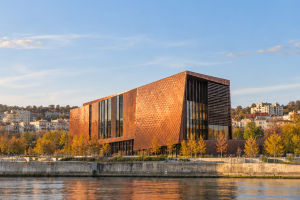
The collection is presented in an exhibition titled ART IS NOT A CRIME: Henry Chalfant, Capturing Graffiti Culture, NYC, 1977–1987 at STRAAT Museum in Amsterdam. Opening on October 9, 2026, the exhibition runs until March 13, 2027. It marks the first major presentation of Chalfant's archive on this scale in the Netherlands and only the second occasion his complete collection has been displayed outside the United States.
One of the most striking elements is the presentation of subway photographs at almost the same scale as the original trains. Some installations exceed three metres in height and extend up to 25 metres in width. This approach allows visitors to appreciate the artwork's original proportions rather than viewing it only through conventional framed photographs. The arrangement also recreates the experience of encountering painted subway cars in a city station.
The exhibition includes approximately 300 photographs, many of which have not previously been published, as well as historical materials that help explain how graffiti developed during the period.
More Than Photographs on Display
Visitors can also explore materials that reveal how graffiti artists developed their styles and shared ideas before digital platforms became widely available. The exhibition includes sketchbooks, handwritten notes, flyers, newspaper clippings, and original drawings. These objects provide insight into the creative process behind large-scale subway paintings.
Another interesting feature is a collection of recorded radio broadcasts from DJ Red Alert's programme, preserved by Chalfant from the period. The recordings help recreate the cultural atmosphere surrounding the artists and their creative activities. Film excerpts also form part of the presentation, allowing visitors to hear Chalfant discuss the people and artwork he documented.
How Subway Art Reached Europe
Chalfant's influence extended beyond photography. In 1984, he collaborated with photographer Martha Cooper on the publication Subway Art, which became an influential reference for graffiti artists around the world. That same year, Chalfant exhibited his photographs at Yaki Kornblit's gallery in Amsterdam. Young visitors became interested in the images and began reproducing and sharing them with other aspiring artists.
At a time when international creative communities had limited ways to exchange visual material, photographs played an important role in spreading artistic ideas. Copies circulated among young people in Amsterdam before reaching wider networks of graffiti writers across Europe. This helped introduce a new generation to the styles and techniques emerging from New York.
From Underground Creativity to Mainstream Recognition
Graffiti's journey into established art spaces has changed how the medium is understood and valued. During the late 1970s and early 1980s, some graffiti artists began exhibiting their work in commercial galleries, while others continued creating paintings in public spaces.
Chalfant has observed this transition throughout his career. He recognizes that successful street artists can now receive substantial payments for commissioned murals and considers financial recognition a legitimate opportunity for creative professionals. However, he also believes that independent public expression remains an important part of graffiti's identity.
Henry Chalfant's exhibition offers more than an opportunity to admire historic subway paintings. It preserves the stories, techniques, and creative connections that helped graffiti develop into an internationally recognized art form. By bringing together large-scale photographs, personal documents, recordings, and films, STRAAT Museum provides a detailed look at a significant period in urban art history.

For visitors interested in photography, street culture, and artistic development, the collection offers an opportunity to understand how images can preserve creative movements long after the original works have disappeared.
Popular
A New Generation of Art
Young gallery owners are transforming the traditional art market with fresh exhibition ideas, digital platforms and new collectors.
Graffiti Art Legacy!
How did New York graffiti shape street art? Henry Chalfant's archive brings its history to life!
Hidden Arts of Morris!
Who was Kate Faulkner? Explore the overlooked designer's beautiful creations and lasting legacy!
Art Galleries Go Mobile
Rising costs are pushing traditional galleries toward temporary shows and international art fairs to reach audiences.