Digital Wallet Hacked?
Digital Wallet Hacked?Posted by Amara on 27-10-2026

Useful Tips
Discovering that your digital wallet has been hacked can feel overwhelming. In a matter of seconds, your financial security may seem compromised.
The key is not to panic but to act quickly and in a clear order. Warning signs include unfamiliar transactions, missing funds, login alerts from unknown devices or two-factor codes you did not request. The steps below cover the first minutes and the days that follow.
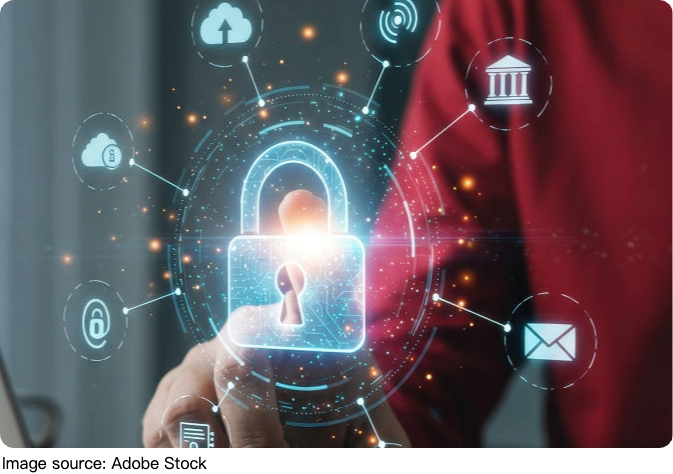
Step 1: Freeze Access Immediately
The moment you suspect unauthorized activity, your first move should be to secure your account. Log in if possible and change your password right away. If you are locked out, use the platform’s recovery option to regain access. Most digital wallets also allow you to:
- Log out of all devices
- Temporarily freeze transactions
- Disable linked cards
These actions can prevent further unauthorized transfers. Eva Velasquez, CEO of the Identity Theft Resource Center, a nonprofit focused on minimizing identity crime, stresses that the faster people act after discovering fraud, the better their chances of reducing its impact.
Step 2: Contact Customer Support Without Delay
After securing access, report the issue to your wallet provider. Most fintech platforms have dedicated fraud or security teams trained to handle such incidents. Provide clear details:
- Time of suspicious activity
- Transaction history
- Devices you have used recently
- Wallet addresses involved, if crypto was sent
Prompt reporting increases the likelihood of reversing unauthorized transactions or blocking fraudulent transfers in progress. Crypto is harder: most blockchain transactions cannot be reversed, so providers can mainly flag the receiving wallet, and funds may only be frozen if they reach a compliant exchange.
Step 3: Notify Your Bank and Linked Services
If your wallet is connected to bank accounts or credit cards, contact your financial institution immediately. They can:
- Block further transactions
- Issue new cards
- Monitor suspicious activity
This step creates an additional layer of protection, especially if the breach extends beyond the wallet itself.
Step 4: Review and Document All Transactions
Carefully examine your recent transaction history and identify any unauthorized payments. Take screenshots or download statements as evidence. Documentation is essential for:
- Filing disputes
- Supporting fraud investigations
- Reporting incidents to authorities
Note the date, amount and recipient of each payment you did not make. Keeping a clear record strengthens your case and speeds up resolution.
Step 5: Strengthen Your Security Setup
Once the immediate threat is contained, it is time to reinforce your defenses. Update your security by:
- Enabling two-factor authentication (2FA)
- Using a strong, unique password
- Activating biometric verification if available
Also check your email accounts and other financial apps, since one compromised account can put others at risk. If a crypto wallet was hit, move any remaining funds to a new wallet and avoid reusing the old keys or device, which may already be compromised.
Step 6: Scan Your Device for Malware
Hacking incidents often originate from compromised devices. Run a full security scan with trusted antivirus software on every smartphone or computer you used with the wallet. Update the operating system and wallet apps, remove anything suspicious, and avoid unknown apps and unsecured networks. A clean device helps prevent repeated breaches.
Step 7: Report the Incident to Authorities
In serious cases, especially large losses, reporting the incident to local cybercrime authorities can help. A report supports your claim and contributes to wider efforts to track financial fraud. The case number you receive can also be useful for insurance claims or for firms that trace stolen funds.

A hacking incident is stressful, but it rarely has to be devastating when it is handled in order. Before anything goes wrong, save your wallet provider’s fraud contact details and turn on two-factor authentication, so the first minutes after a breach go to action rather than searching.
Popular
Interest Rates and Tourism
Why the cost of borrowing affects hotel building, city economies, and how often people travel.
Global Cash Flow Management
How multinationals use treasury centers, hedging, pooling and technology to keep cash moving across borders.
Bedtime Brushing for Kids
Discover how a simple bedtime routine protects children’s teeth and builds healthy smiles for life
How Education Builds Wealth
Why schooling raises lifetime earnings, helps savings grow, and what to weigh against tuition and debt.


