Zone Your Storage
Zone Your StoragePosted by Owen Murphy on 19-10-2026
Useful Tips
Hello, Lykkers! Hallway cabinets start out with good intentions and slowly turn into a mystery zone. One day you know where the spare keys live, and a few months later you're digging through unlabeled boxes to find a scarf.
The problem isn't laziness—entryway storage handles too many jobs at once. Shoes, bags, mail, umbrellas, and seasonal gear all compete for the same shelves. A clear system fixes that, and it doesn't take a whole weekend.
Start With an Honest Empty-Out
Take everything out. You cannot organize what you cannot see. Lay the contents on the floor and group similar items as you go—shoes with shoes, bags with bags.
Keep a bag nearby for anything that doesn't belong. Old receipts, broken umbrellas, single gloves, and shoes that no longer fit can leave right away. Emptying a typical hallway cabinet takes thirty to sixty minutes. If that's too much, do one shelf at a time.
A practical guideline: if you haven't used something in the past year and it isn't a genuine emergency item, it probably doesn't need to live in your entryway.
Decide What the Cabinet Is Actually For
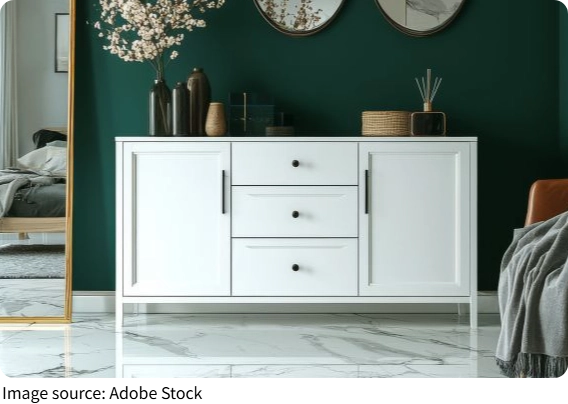
Before you put anything back, choose the cabinet's main purpose. Most organizing attempts fail here—people try to store everything in the entryway and end up with a cabinet that does nothing well.
Think about what your household genuinely needs near the door. If you have kids, it's probably shoes and school bags. If you live somewhere rainy, umbrellas and rain gear deserve priority. Pick two or three primary categories and commit to them. Anything outside those categories belongs elsewhere. This one decision stops the cabinet from filling up with random objects again.
If you're unsure, note what you reach for near the door each day for a week. Whatever appears most often deserves the best shelf space.
Assign Zones Inside the Cabinet
Middle shelves, at eye level, are prime real estate. Put daily items there—everyday shoes, keys, and your most-used bag.
Lower shelves suit heavier items like boots and larger bags. Upper shelves work well for occasional seasonal gear such as hats, scarves, and gloves. If the cabinet is tall, add a shelf riser or stackable bins to use vertical space better.
Measure your shelves before buying inserts. Cabinet depths vary, and a bin that doesn't fit is just another item to store. Keep the heaviest items low and the lightest high—this makes the cabinet safer for children and older family members.
Choose Containers That Match the Job
Clear bins work for small items because you can see inside. Open baskets suit things you grab quickly, like gloves or umbrellas. Lidded boxes are better for items you want out of sight.
Check what you already own before buying new containers. Mismatched is fine as long as it fits the shelf and serves a purpose. Label each one clearly so the whole household knows where things go.
A useful guideline: if a container needs a label to explain its contents, it may be holding too many unrelated things. Aim for one category per container.
Use the Cabinet Door and the Floor Beneath
The inside of the cabinet door is often wasted space. A small rack or a set of hooks can hold keys or a reusable shopping bag. Keep it light so the door still closes easily.
Under the cabinet, a shallow boot tray or low basket can hold wet shoes and umbrellas without crowding the shelves. This helps in wet weather when damp items need somewhere to drain.
Build a Simple Maintenance Habit
Organization only lasts with a little attention. Once a week, spend five minutes returning stray items to their zones. Once a season, remove anything you no longer use.
A useful rule: when something new comes in, something old goes out. If the cabinet feels crowded again, that's your signal for a quick reset—not a failed system. Show family members where things belong and keep daily items within easy reach.

Final Thoughts
A well-organized hallway cabinet is less about perfect labels and more about clear decisions. Empty it out, choose its purpose, assign zones, and give everything a home. Setup takes an afternoon; upkeep takes minutes a week. The payoff is small but real: you open the cabinet, see what you need, and get on with your day.
Popular
Confidence for Businesswomen
Five habits that help women in business recognize strengths, speak up clearly, and act before feeling ready.
Time for Something New!
Feeling stuck in your routine? Learn how small steps toward new choices can open fresh possibilities!
The Value of Hobbies!
Can a new hobby lift your mood? Painting and dancing reveal why joy matters more than perfection!
Loneliness in the AI Era
Can AI ease loneliness or deepen disconnection? Learn how digital companionship may reshape human connection!