Understanding Baby Emotions
Understanding Baby EmotionsPosted by Simone on 02-10-2026

Funny Facts
Babies communicate from birth through crying, expressions, sounds, and body movements before they can use words.
These early signals provide important clues about their needs, emotions, and responses to the world around them.
Learning to recognize these behaviors helps parents provide appropriate care and better understand their baby’s individual development.
Recognizing Signs of Happiness
Early smiles may appear naturally, including during sleep. As babies grow, smiles become more connected to social interaction and their surroundings.
A baby may smile when hearing a familiar voice, seeing a familiar face, or enjoying gentle interaction. These responses reflect growing awareness and early social development.
Parents can encourage this progress through simple activities such as talking softly, making eye contact, smiling, singing, and playing together.
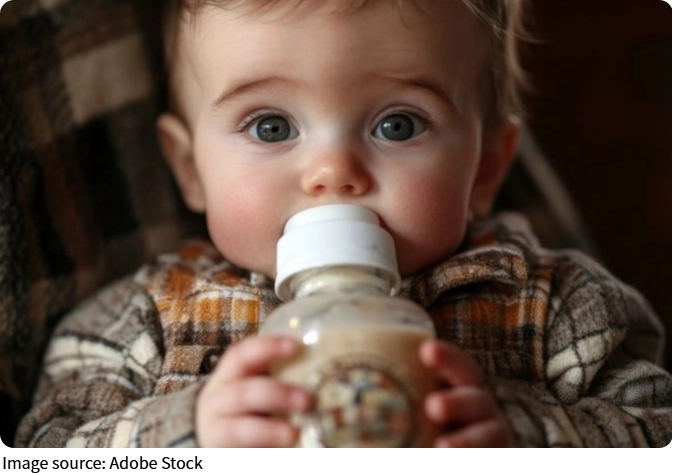
Understanding Crying and Discomfort
Crying is one of the main ways babies express their needs. It may indicate hunger, tiredness, discomfort, or a need for reassurance.
Other signs may include changes in movement, expressions, body tension, or difficulty settling. Because babies cannot explain what they need, caregivers learn by observing patterns and responding to possible causes.
Over time, parents often become better at recognizing their baby’s unique signals and responding effectively.
Reactions to New Experiences
As babies become more aware of their environment, they begin to distinguish between familiar and unfamiliar situations. New sounds, faces, or surroundings may require time to process.
A baby may look away, become quiet, or seek closeness when experiencing something unfamiliar. These reactions are common as babies learn about the world around them.
Parents can support this process by introducing new experiences gradually and allowing their baby to adjust at a comfortable pace.
Building Emotional Security
Babies develop strong connections through consistent and responsive care. They often show recognition of familiar people through their reactions, attention, and desire for interaction.
“Responsive caregiving refers to a caregiver’s nurturing and intentional interactions with a child based on their strengths, temperaments, areas for growth, and unique needs.” — Rhode Island Department of Education.
Regular daily patterns, including feeding, sleep, and caregiving activities, provide structure and help babies feel secure.
Warm, responsive care supports trust and encourages healthy emotional development during early childhood.
Understanding the Bigger Picture
A single behavior does not always reveal a baby’s exact feelings. A quiet moment may mean a baby is observing, while changes in mood may be related to sleep, feeding, or daily experiences.
Looking at expressions, sounds, movements, and the surrounding situation together provides a clearer understanding of what a baby may be communicating.
Every baby develops differently, and observing patterns over time helps parents recognize their child’s personal signals.

Final Thoughts
Understanding baby emotions involves paying attention to the many ways babies communicate before they can speak. Their expressions, sounds, and behaviors provide valuable information about their needs and experiences.
Through careful observation and consistent care, parents can build a stronger understanding of their baby and support healthy emotional growth from the earliest stages of life.
Popular
Europe’s Savings Shift
The EU wants to turn more household savings into productive investment while giving citizens broader ways to build wealth.
Menopause and Memory
Blood markers linked to menopause may predict memory changes and Alzheimer's risk years before symptoms appear.
A Breakthrough For CF
Early triple therapy could restore crucial cell functions in children with cystic fibrosis and improve their long-term health.
Mortgages Turn Costlier
The ECB’s latest rate increase is already filtering into home loans, but borrowers in Europe will feel the impact very differently.