Real Estate as Investment
Real Estate as InvestmentPosted by Tessa on 30-09-2026

On Trend
Walking past a quiet street with “For Sale” signs on several houses, you may wonder if investing in property guarantees stability.
Many view real estate as a safe haven compared to volatile stocks or digital assets, but is it really a steady path to wealth, or does it come with hidden uncertainties?

Understanding Real Estate Stability
Real estate has long been considered a tangible, secure investment because properties generally retain intrinsic value. Unlike stocks, which can fluctuate dramatically in a single day, well-chosen properties usually maintain their market worth over time. Residential and commercial properties provide opportunities for both long-term appreciation and income through rentals.
However, stability depends on factors such as location, economic conditions, and property type. Urban centers with consistent demand tend to offer more predictable returns than emerging or rural markets, where value can swing more significantly.
Evaluating Appreciation Potential
Property values typically rise over time, often outpacing inflation. Historical trends show that in high-demand cities, real estate appreciates steadily, providing both a buffer against inflation and potential wealth accumulation.
For instance, neighborhoods with improving infrastructure or growing employment opportunities often see property values increase consistently. Investors should consider regional trends, upcoming developments, and demographic shifts when evaluating potential appreciation, rather than relying solely on past performance.
Income from Rentals
One of the major attractions of real estate is rental income. Leasing property can generate a reliable cash flow that supplements long-term appreciation. Residential rentals can be stable if the property is in a sought-after area, while commercial leases often provide longer-term contracts, reducing turnover risks.
However, investors must account for maintenance costs, property taxes, and periods of vacancy. Conducting careful financial projections ensures that rental income contributes to overall stability rather than masking potential expenses.
Market Risks and Liquidity
While property is tangible, it is not without risk. Economic downturns, interest rate hikes, or oversupply in the housing market can slow appreciation or reduce demand.
Unlike stocks or funds, real estate is less liquid; selling a property quickly often requires significant discounts or lengthy negotiations. Investors must be prepared for periods when exiting a property is challenging and understand that short-term fluctuations are possible, especially in speculative markets.
Mitigating Risks Through Strategy
1. Location Selection – Prioritize areas with stable employment, strong infrastructure, and consistent demand.
2. Diversification – Spread investments across residential and commercial properties or different regions to reduce concentration risk.
3. Professional Management – Employ property managers to maintain consistent rental income and minimize vacancies.
4. Long-Term Perspective – Real estate stability improves when held over years rather than months, allowing time for appreciation and market fluctuations to balance out.
By combining strategic selection, careful financial planning, and professional support, investors can reduce risks and improve the likelihood of stable returns.
Evaluating Long-Term Returns in Real Estate
Nobel laureate Robert Shiller, PhD, Sterling Professor of Economics at Yale University and co-creator of the Case-Shiller Home Price Index, demonstrated through historical market data that real estate is not an inherent high-yield growth engine.
Shiller’s research indicates that over long horizons, housing prices historically appreciate at a rate only slightly above inflation after accounting for maintenance, taxes, and transaction costs. His findings emphasize that property stability relies primarily on localized rental income and supply dynamics rather than guaranteed, effortless value accumulation.
Balancing Expectations
Real estate can be a cornerstone of a stable investment portfolio, but it is not a guaranteed shield from market volatility. Investors must balance expectations for steady appreciation, rental income, and potential expenses.
Understanding market dynamics, maintaining realistic timelines, and being prepared for economic shifts are essential to achieving stability. Like any investment, success depends on informed decisions and continuous oversight rather than assumptions of guaranteed growth.
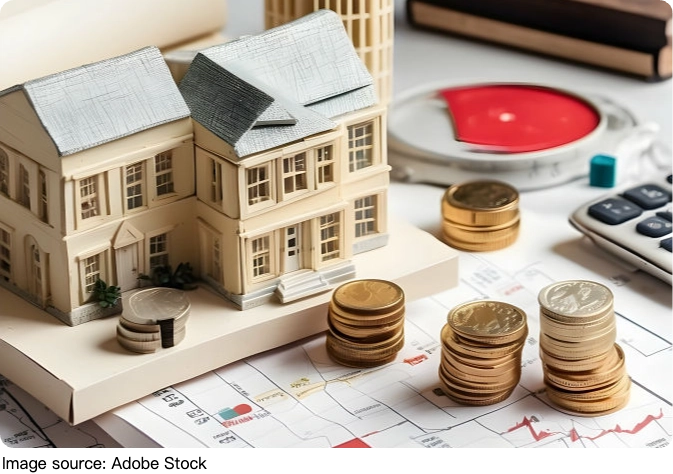
Property offers a blend of tangible security, potential income, and long-term appreciation, making it appealing for those seeking stability. Yet, stability is relative, shaped by location, economic conditions, and management strategies.
By approaching real estate with knowledge, planning, and realistic expectations, investors can leverage its benefits while navigating challenges, turning properties into a meaningful and enduring component of wealth growth.
Popular
Alpha Shrinks as Funds Sync
Why Every Fund Is Starting to Look the Same, and What That Means for Your Money!
Secure Your Future Finance
Uncertain times causing stress? Simple strategies can help protect assets!
Raising Money Smart Kids
Can kids understand money? The right approach makes it possible!
Real Estate as Investment
Examining Whether Property Truly Offers Stable Returns