Films That Changed Cinema
Films That Changed CinemaPosted by Samir on 13-10-2026

On Trend
There are movies you enjoy for two hours—and then there are movies after which nothing on screen feels the same again. You notice camera angles differently. You recognize new storytelling rhythms. Entire genres seem to split into “before” and “after.”
Certain films did not just succeed at the box office; they altered how cinema functions. They shifted technology, narrative structure, audience expectations, and even business models.
Understanding these turning points reveals how film evolved from simple moving images into a complex artistic and industrial force.
Redefining Narrative Structure
1.Non-linear storytelling
When Pulp Fiction premiered in 1994, audiences encountered a fragmented timeline that challenged conventional narrative flow. Scenes unfolded out of chronological order, yet emotional coherence remained intact. The film's success demonstrated that mainstream audiences could follow complex structures without losing engagement.
After its release, commercial cinema more widely accepted non-linear storytelling. It proved that structure itself could be a creative tool rather than a rigid framework.
2.Character-driven realism
Earlier Hollywood films often relied on clearly defined heroes and villains. Films like The Godfather presented morally complex protagonists. The central character, Michael Corleone, evolves gradually, forcing viewers to question loyalty, ambition, and power.
This approach reshaped expectations around character development. Audiences became more comfortable with ambiguity, paving the way for layered storytelling across genres.
3.Psychological depth
Taxi Driver offered an unfiltered look into isolation and mental instability. Its subjective camera work and internal narration immersed viewers in the protagonist's perspective. This focus on psychological interiority influenced later dramas that prioritized internal conflict over external spectacle.
Transforming Visual Technology
1.Blockbuster special effects
When Jurassic Park debuted, its computer-generated dinosaurs appeared startlingly realistic. The film demonstrated that digital visual effects could convincingly coexist with live-action footage. Its success accelerated the industry's investment in CGI technology.
Within a decade, large-scale digital effects became standard in action and fantasy films, permanently altering production pipelines.
2.Digital cinematography
Avatar expanded performance capture and 3D filmmaking techniques. Director James Cameron employed advanced motion-capture systems to translate actors' performances into detailed digital characters. The film's global box office success reinforced the commercial viability of immersive visual technology.
Studios subsequently prioritized high-resolution digital workflows, influencing everything from camera equipment to post-production processes.
3.Sound design innovation
Star Wars revolutionized cinematic sound. Its layered audio environment—distinct spacecraft hums, sound effects, and musical scoring—elevated sound design to narrative importance. The film also helped advance surround sound systems in theaters.
Afterward, audiences expected immersive audio experiences alongside visual spectacle.
Reshaping the Business Model
1.The modern blockbuster
Jaws pioneered the wide-release summer strategy. Instead of gradually expanding to more theaters, it opened broadly with heavy marketing. Its commercial success established the template for modern blockbuster distribution.
Studios adopted this approach for high-budget films, concentrating advertising campaigns around major release weekends.
2.Franchise universes
Iron Man launched the Marvel Cinematic Universe. Rather than producing isolated sequels, the studio built interconnected narratives across multiple films. This strategy created long-term audience investment.
Shared universes have transformed how studios plan projects, emphasizing continuity and storytelling across films.
3.Global market focus
As international box office revenue grew in importance, studios began designing films with global audiences in mind. Action-driven storytelling, visually striking sequences, and reduced reliance on region-specific dialogue became more common.
This shift influenced casting decisions, marketing strategies, and the emphasis on genre.
Changing Audience Expectations
1.Anti-heroes and ambiguity
Audiences now accept flawed protagonists and endings without clear resolution. The clear moral binaries of early cinema have softened, reflecting broader cultural complexity.
2.Technical spectacle as standard
High-quality visual effects and immersive sound are no longer luxuries; they are baseline expectations.
3.Cross-media engagement
Viewers follow franchises across films, streaming platforms, and related media, expecting cohesive storytelling.
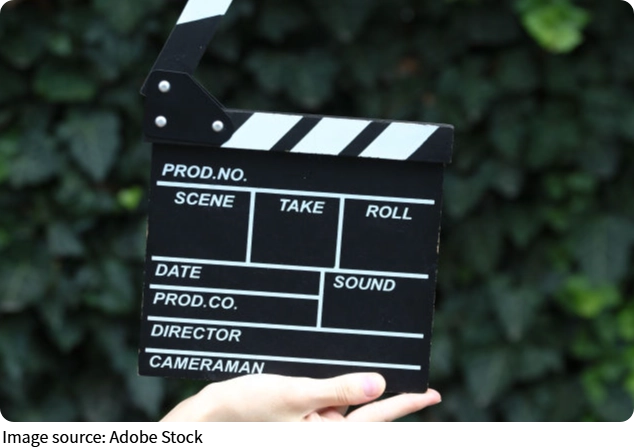
Films that changed cinema did more than entertain. They expanded what filmmakers believed possible and what audiences demanded. After experiencing such milestones, viewers become more discerning. The camera angle feels intentional. The editing rhythm feels strategic.
The next time a movie leaves you thinking long after the credits roll, consider what it altered. The most influential films do not simply tell stories—they redraw the boundaries of how stories can be told.
Popular
European Film Buzz!
What's new in European cinema? Get the latest film news, industry updates, and festival highlights!
New Cinema Takes Off!
What's next for European cinema? Explore the latest film news, creative projects, and fresh ideas!
French Cinema at Risk!
Could France's film industry face a budget crisis in 2027? Funding fears raise serious concerns!
Warsaw's Cinema Renaissance
An international film festival is putting fresh discoveries, emerging directors and unforgettable stories at the heart of cinema.