The Cheetah That Wasn’t
The Cheetah That Wasn’tPosted by Nora on 17-09-2026
On Trend
For decades, the extinct predator Miracinonyx trumani was widely known as the American cheetah because of its slender body and long legs. New research now shows that the resemblance was misleading.
Genetic and chemical evidence suggests the animal was actually a close relative of the modern puma, capable of surviving across a huge range of environments and even relying on fish in the Arctic.
A Puma Relative In Disguise
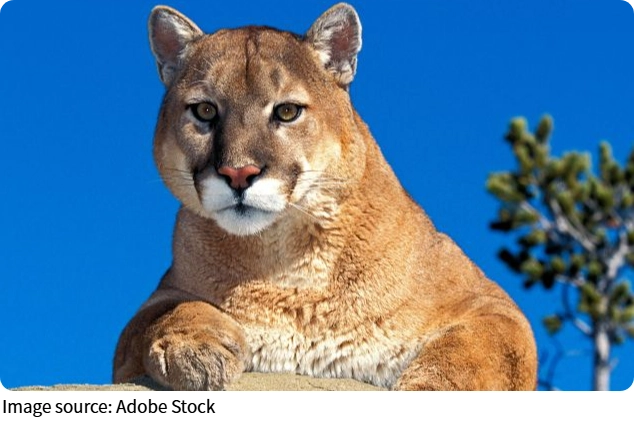
Researchers led by scientists at the University of California, Santa Cruz analyzed nuclear paleogenomes and stable isotopes from fossil remains of Miracinonyx trumani. Their findings, published in Current Biology, confirmed that the species was not closely related to true cheetahs.
Instead, it was a sister species of the modern puma and separated from that evolutionary lineage around 2.6 million years ago.
Its cheetah-like appearance therefore seems to be an example of convergent evolution, where unrelated animals independently develop similar features because they face comparable environmental pressures.
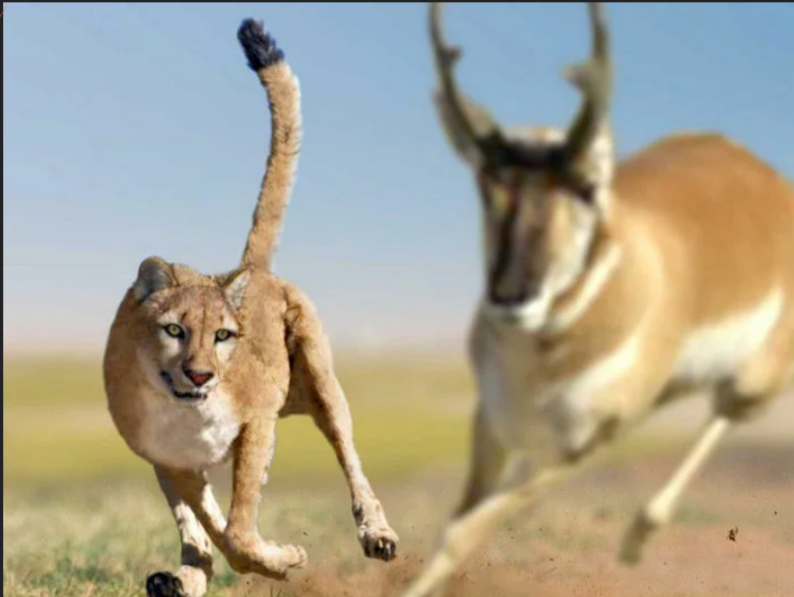
The animal’s narrow body and long front legs may have helped it move efficiently across open landscapes. However, unlike a highly specialized sprinting predator, M. trumani appears to have been much more adaptable.
Its Range Reached The Arctic
The study also dramatically expands the known geographical range of the species.
Researchers found that M. trumani lived about 20 degrees of latitude farther north than previously recognized. Fossils show that populations inhabited areas stretching from temperate regions such as Wyoming and Florida to the Arctic Yukon.
Adults animals are estimated to have weighed around 150 pounds, stood approximately 3 feet tall and measured about 8 feet from head to tail.
Lead author Cassatt-Johnstone explained that the species showed remarkable ecological flexibility, similar to modern pumas. She noted that the team also identified loss-of-function mutations in genes involved in circadian rhythms, which may have helped northern populations cope with the extreme seasonal light cycles of Arctic summers and winters.
Northern Cats May Have Eaten Fish
One of the most surprising findings concerned diet.
Stable isotope evidence suggests that populations living in the Arctic occupied a very different ecological niche from those farther south. In the Yukon, the cats appear to have functioned as tertiary consumers and may have relied heavily on anadromous fish such as salmon.
Farther south, they likely hunted terrestrial prey in open grasslands.
Study co-author Matthew Wooller explained that the species occupied an enormous geographical range while showing very different forms of specialization at opposite ends of it. This flexibility may have helped M. trumani survive in environments that differed dramatically in climate and food availability.
Genetics Reveal More Surprises
The researchers sequenced high-coverage genomes from fossils between 23,000 and 31,000 years old. Their analysis revealed another unusual feature: M. trumani, along with all felid lineages included in the study, lacked a functional version of a gene involved in detecting sour tastes. Cats are already known for lacking functional sweet taste receptors, but this represents the first reported case of sour taste gene inactivation in felids.
Such sensory changes can sometimes be associated with specialized diets, although the researchers did not identify a single explanation for the loss.
A Slow Decline Before Extinction
The genomes also showed low genetic diversity in populations from both Wyoming and the Yukon. However, researchers did not find signs of extreme inbreeding or a sudden population collapse. Instead, the evidence points to a gradual decline lasting from the early to late Pleistocene.
Senior author Beth Shapiro explained that low genetic diversity alone was unlikely to have caused extinction. She suggested that a long-term decline may instead have reduced the species’ ability to respond when environmental conditions changed.
The study ultimately shows how misleading appearances can be in extinct animals. Miracinonyx trumani looked like a cheetah, but its genetics, diet and lifestyle reveal a far more complex predator shaped by its own evolutionary path.
Popular
The Cheetah That Wasn’t
New fossil DNA shows the so-called American cheetah was actually a puma relative with an unusually flexible lifestyle.
Frog Hidden For 100 Years
Scientists discover a new frog species that was mistakenly identified for more than a century.
Why Shark Heads Change
Bonnethead sharks grow rounder-headed with age, new research finds — challenging a long-held explanation for their shape.
The False Cheetah
An extinct predator once called the American cheetah was actually a puma relative with a surprisingly adaptable lifestyle.