Powering UK Auto Growth
Powering UK Auto GrowthPosted by Kenji on 08-09-2026
Luxury Cars
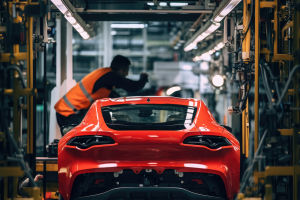
UK vehicle manufacturing is under considerable pressure. July brought another decline in output as manufacturers dealt with model changeovers, weaker overseas demand, uncertainty around trade and investment, and the timing of planned factory shutdowns.
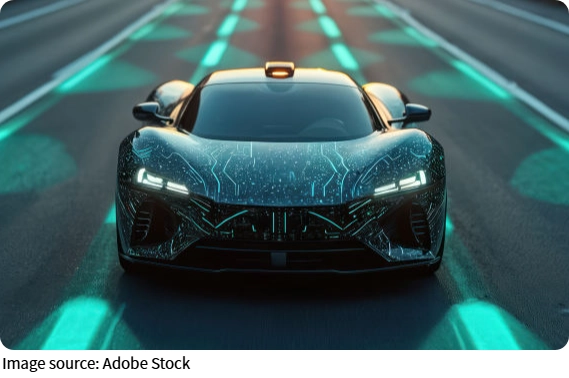
Yet there was also a positive signal. Production of electrified cars increased for the first time this year, with these vehicles accounting for more than four in every ten cars built in the UK.
Electric Production Offers Hope
Britain’s automotive industry has invested heavily in cleaner technologies, and more than 27 zero-emission vehicle models are already being produced or have been announced for UK factories. These include passenger cars, vans, trucks and buses.
Many of those projects are the result of investment decisions made years ago. Protecting them is now crucial, particularly as international competition for new factories, battery production and advanced technologies continues to intensify.
Current industry forecasts suggest that UK vehicle production could begin growing again from 2027. If planned investments proceed as expected, annual output could approach one million vehicles by the end of the decade.
However, achieving that level will depend on whether Britain can remain competitive as a manufacturing location.
Energy Costs Remain a Major Problem
One of the most serious challenges is the cost of industrial energy.
Car production requires large amounts of electricity, particularly as factories introduce battery production, electric drivetrains and other energy-intensive technologies. British manufacturers currently face significantly higher energy costs than many competitors in Europe.
Measures designed to improve industrial competitiveness should provide some relief, but the gap is expected to remain substantial.
High electricity prices affect much more than monthly operating expenses. They can influence decisions about where companies build future factories, introduce new production lines or invest in advanced manufacturing.
For an industry undergoing a major technological transition, expensive energy risks diverting money away from innovation at precisely the moment when investment is most important.
Regulation Also Matters
Manufacturers are also calling for a stable and predictable regulatory environment.
Rules governing the transition to zero-emission vehicles have a direct effect on investment decisions, production planning and the ability of companies to respond to changing consumer demand.
At the same time, rising labour costs and other operating expenses are adding pressure across the sector.
The challenge for policymakers is therefore broader than simply encouraging electric vehicle production. Britain must create conditions in which companies can manufacture those vehicles competitively.
Trade Is Central to the Industry
The automotive sector is one of the UK’s major export industries, making international market access particularly important.
Trade with the European Union remains central. The automotive relationship between the UK and EU is worth around €80 billion a year, supported by deeply integrated supply chains that operate across both sides of the Channel.
Future rules governing where vehicles and their components originate could affect whether UK-built models qualify for favourable trading conditions. Industry leaders are therefore seeking practical agreements that protect existing supply chains and avoid unnecessary barriers.
Beyond Europe, new trade relationships could also create opportunities. The UK-India free trade agreement entered into force in July, although automotive exporters are still waiting for the allocation of quotas needed to benefit fully from reduced tariffs.
British automotive companies are also gaining additional trading opportunities with Canada through the Comprehensive and Progressive Agreement for Trans-Pacific Partnership.
Competition Is Becoming Global
The future of UK vehicle manufacturing will depend on more than demand for new cars. Energy prices, labour costs, regulation, investment conditions and international trade will all influence where future vehicles are built.
The increase in electrified vehicle production shows that Britain still has important manufacturing capabilities and experience in advanced automotive technology. But maintaining that position will require competitive operating costs and long-term certainty for investors.
If the UK can reduce structural disadvantages while protecting access to major export markets, automotive production has a realistic opportunity to return to growth. Without those improvements, high energy costs could become one of the biggest barriers to attracting the next generation of vehicle manufacturing.
Popular
Powering UK Auto Growth
Energy costs threaten UK car sector recovery and future competitiveness.
Europe Goes Electric
EVs gain ground in Europe as petrol and diesel lose share..
UK Auto Finance Redress
FCA's new redress scheme could return €8.85bn to motorists hit by unfair car finance deals (2007–2024).
EVs Lift the UK Car Market
Electric and hybrid cars pushed UK registrations to their strongest July since 2019, while petrol and diesel continued to lose ground.