Europe After Summer
Europe After SummerPosted by Matteo on 04-09-2026
Holiday Topics
Autumn travel in Europe does not mean choosing between rain and closed attractions. In the right places, September and October can actually improve the experience: southern islands keep their swimming weather, cities become walkable again and northern landscapes turn dramatically gold.
The trick is choosing a destination that becomes more interesting after summer rather than simply cheaper. These five places do exactly that.
1. Tenerife: Keep the Summer
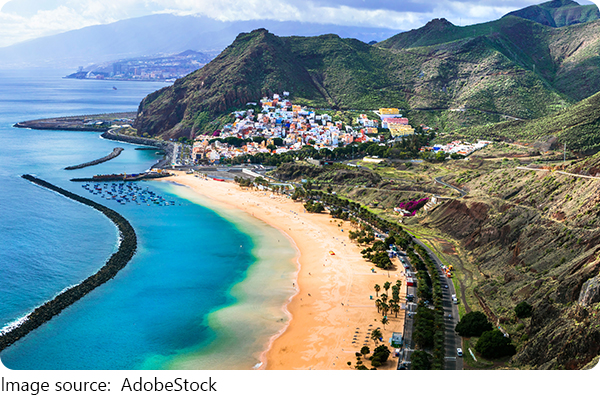
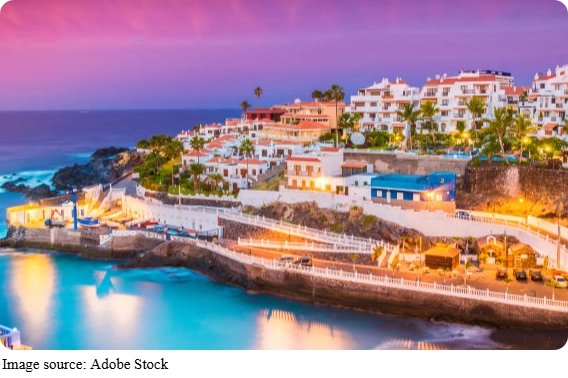
Tenerife is the easiest option if you are not ready to give up warm weather. Daytime temperatures can remain around 24°C even into November, while October often stays warm enough for swimming. The real advantage is that walking becomes much more comfortable once the most intense summer heat disappears.
Base yourself in the north for historic towns and greener landscapes, or choose the south if beach weather is the priority. Mount Teide should take one full day: a return cable-car ticket currently starts at €42–€43 for non-residents, while guided options cost more.
Recommended budget: €85–€140 per person per day with shared accommodation and casual meals.
Best stay: 4–5 nights.
Tenerife
2. Latvia: Autumn Actually Looks Like Autumn
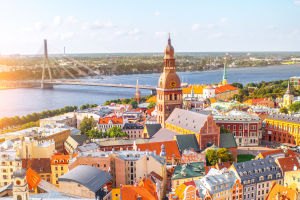
If the goal is colour rather than sunshine, Latvia is hard to beat. October transforms Gauja National Park into a landscape of yellow forests, misty rivers and medieval ruins. Trails range from short walks to longer routes along the Gauja River, while nearby Cesis adds castle walls and a compact historic centre.
Getting there is refreshingly simple. Trains and buses from Riga toward Sigulda and Cesis start at about €2.50, while local transport from Sigulda to Turaida costs around €0.70.
Stay one night in Riga and two around Sigulda or Cesis rather than making every walk a return day trip.
Recommended budget: €55–€90 per person per day.
Best for: hikers, photographers and anyone who considers mist part of the atmosphere rather than bad weather.
3. Dodecanese: Island-Hop Late
Early autumn may be the smartest time to explore Greece’s Dodecanese Islands. The sea remains warm, crowds fall away and ferry connections are still running frequently before services become more limited closer to winter.
Start in Rhodes, then move to smaller Symi. The approach into Symi Harbour — with colourful neoclassical houses climbing the hills — is almost worth the ferry by itself.
Current September fares from Rhodes to Symi start at about €5.50–€7 on slower services, while faster options commonly cost €18–€32. The journey can take as little as 45–50 minutes.
Recommendation: do not turn Symi into a two-hour photo stop. Spend at least one night after the day-trippers leave.
Recommended budget: €80–€130 per person per day.
4. Seville: Finally Walkable
Seville in midsummer can turn sightseeing into a test of endurance. October is a completely different proposition, with daytime highs around 26°C and evenings still warm enough for long walks through the centre.
Start with the Royal Alcazar, then continue toward Seville Cathedral, the Giralda and the tiled courtyards of Pilate’s House. The cooler weather makes it realistic to explore on foot instead of planning every movement around shade and air conditioning. The Royal Alcazar switches to its winter timetable from 1 October, opening from 09:30 to 17:00.
Recommended budget: €90–€145 per person per day with shared central accommodation.
Best stay: 3 nights. Give yourself enough time for one afternoon with no monument scheduled at all.
5. Scottish Highlands: Go for the Drama
The Scottish Highlands offer the opposite kind of autumn escape. Instead of extending summer, they lean fully into the season: moorland turns copper, morning mist settles into glens and red deer enter their autumn rut. Places such as Glen Coe, Fort William and Loch Affric become particularly atmospheric once the peak visitor season ends. The trade-off is unpredictability. Rain, wind and colder temperatures should be treated as part of the trip rather than an interruption. Some seasonal attractions close after September, so October travelers should check opening dates before building a route around castles or museums.
Recommended budget: €95–€160 per person per day when sharing accommodation and using public transport where practical.
Best stay: 4–6 nights, especially if hiking.
Pick Your Version of Fall
Choose Tenerife if you still want the sea, Latvia for colour, the Dodecanese for quieter islands, Seville for a city break and the Scottish Highlands for wild scenery.
Autumn’s real advantage is not simply lower prices. It is having enough space — and comfortable enough weather — to actually experience the place you travelled to see.
Popular
Cool Europe Summer
Five northern destinations prove that escaping the heat can still mean long days, wild landscapes and a proper summer holiday.
Europe’s Quiet Secrets
Five lesser-known European escapes offer medieval streets, lake islands and dramatic landscapes without the usual big-city crowds.
Europe’s City Price Gap
A weekend in Sarajevo can cost less than half a break in Oslo. Here’s where Europe still offers real value in 2026.
Europe After Summer
Five autumn escapes prove Europe gets better when the heat fades, the crowds thin and the landscape starts changing colour.