Build an Autumn Centerpiece
Build an Autumn CenterpiecePosted by Kai on 11-09-2026
Useful Tips
Autumn arrangements become more interesting when they stop relying on flowers alone. Small gourds, seed heads, berries, dried blooms, and fresh foliage introduce different shapes, textures, and levels of visual weight.
The challenge is not finding enough seasonal material. It is deciding which pieces should dominate, which should support, and how to keep the arrangement stable, fresh, and practical on a table.
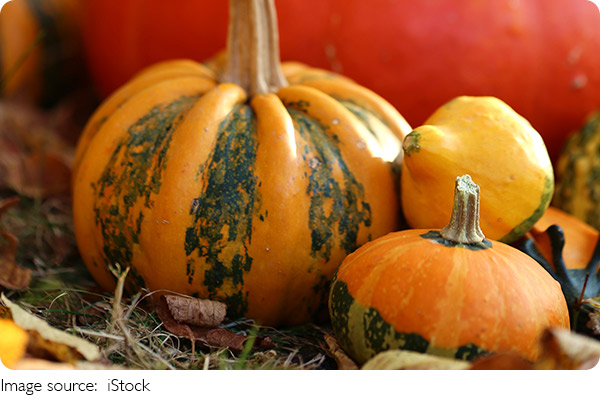
Choose One Main Shape
A centerpiece becomes easier to read when one object establishes the structure.
Use a focal form
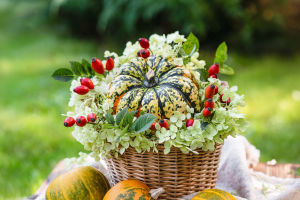
A small gourd, squash, or rounded fruit can work well because its solid mass contrasts with delicate stems and petals.
Place that main form first, then build around it.
If several large objects compete for the center, the arrangement can lose hierarchy. One dominant form, two or three secondary shapes, and smaller accents usually create a clearer visual order than distributing everything evenly.
This is a composition decision, not a fixed botanical rule.
Contrast Texture, Not Just Color
Autumn displays often rely heavily on orange, red, and yellow, but texture can create just as much variety.
Pair dense with delicate
A solide ridged gourd looks more distinctive beside loose flower clusters or thin leaves than beside several equally heavy objects.
Try combining three texture families:
smooth or firm forms,
soft clustered flowers,
and fine stems, leaves, or berries.
The contrast keeps a limited seasonal palette from becoming visually flat.
If everything has the same scale and surface quality, adding another color may not solve the problem.
Use Repetition to Connect It
An arrangement can contain very different materials and still feel coherent.
Repeat one feature three times
Choose a recurring element such as red berries, pale flower clusters, or dark green leaves.
Place that feature in at least three separate areas rather than concentrating it in one spot.
Repetition creates a visual link between the centerpiece and any loose decorative elements placed around it.
It also works with shape. Several small round fruits can echo the larger rounded centerpiece without matching it exactly.
Keep Fresh Materials Separate
Decorative combinations can create conflicting moisture needs.
Flowers need water; produce usually does not
Fresh-cut stems generally last better when their cut ends have access to clean water.
A whole gourd or fruit, however, should not sit unnecessarily in standing water because prolonged moisture against the surface can encourage softening and decay.
One practical approach is to place flowers in a concealed water container inside the basket or centerpiece, while keeping solid produce dry around it.
If floral foam is used, check whether it is designed for fresh or dried arrangements and follow its intended use.
Check Every Stem First
Natural materials can bring more than color indoors.
Inspect before arranging
Shake or examine garden-cut flowers, leaves, seed heads, and fruit before placing them on a dining table.
Look for visible insects, damaged plant tissue, mold, or decaying sections.
Remove leaves that would sit below the waterline in a flower container. Submerged foliage breaks down faster and can foul the water.
Wash edible produce separately if it will later be used for cooking, rather than treating decorative and food handling as the same task.
Work With Uneven Heights
A perfectly level ring of flowers can make a natural arrangement feel stiff.
Build three height zones
Keep the central solid form relatively low.
Let selected flowers or foliage rise above it.
Then allow a few stems or berries to sit lower and extend outward.
These three levels create depth without requiring a very tall arrangement.
For a dining table, lower height also matters practically.
A useful test is simply to sit down before finishing and check the sightline.
Protect the Table
Fruit, plant material, and watering containers can all affect the surface beneath them.
Create a hidden barrier
Place a waterproof liner, tray, or shallow plate under any section that may release moisture.
Check the underside after watering fresh flowers.
Natural baskets and fabric can absorb small leaks and keep them against the table longer than expected.
Also, inspect fruit periodically. Soft spots, damaged skin, or leaking tissue are signs that the piece should be removed rather than left for visual balance.
Let It Change Over Time
An autumn centerpiece does not need to remain identical for weeks.
Design for replacement
Fresh flowers may fade before gourds or dried materials do.
Instead of rebuilding everything, create the arrangement such that short-lived elements can be removed independently.
Replace a few flower stems, shift the berries, or leave the durable seasonal forms in place.
This modular approach keeps the arrangement usable without pretending every natural material has the same lifespan.
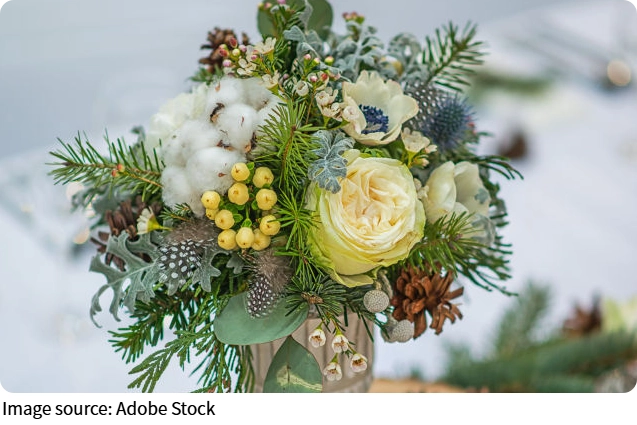
A strong autumn centerpiece works through contrast and hierarchy rather than sheer abundance. Start with one dominant form, mix dense and delicate textures, repeat a few visual elements, separate moisture-sensitive materials, and keep the arrangement low enough to function on the table. The most convincing seasonal displays usually look generous because the materials relate to one another, not because every available space has been filled.
Popular
Plants Face Evolution Trap
Morning glories face a climate dilemma: adapt to environmental shifts while still attracting dwindling pollinators.
Plant Settling Time
How to help a newly arrived houseplant settle in without turning your living room into a leaf drama club
Why Plants Grow Crooked?
A simple look at why one misplaced plant starts leaning, twisting, and reaching for light
Best Plants by Balcony
Pick balcony plants by sunlight direction, so your green crew thrives instead of staging a leafy meltdown.