Wet Road, Less Grip?
Wet Road, Less Grip?Posted by Claire on 02-09-2026
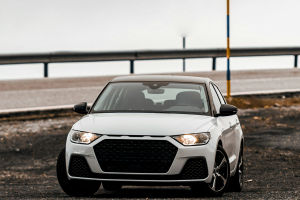
Useful Tips
Rainy roads call for a little more care behind the wheel. This guide covers simple ways sedan drivers can prepare for wet conditions, maintain control, and respond calmly when traction or visibility is reduced.
Because every sedan is different, check your owner’s manual for vehicle-specific controls, tire requirements, and safety guidance.
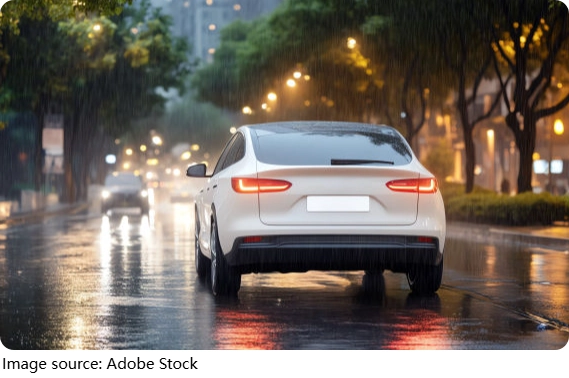
Inspect Before Driving
Tires require attention before rain because tread channels move water away from the contact area. Check cold inflation pressure against the label near the driver’s door or the owner manual, not the maximum pressure printed on the tire sidewall. Inspect tread across the full width and arrange replacement when it reaches 2/32 of an inch or shows damage, uneven wear, or exposed material.
Clean the windshield and windows, fill the washer reservoir with a suitable product, and replace wiper blades that leave broad streaks or miss areas. Confirm that low-beam headlights, brake lights, and turn indicators operate correctly. A warning light, pulling sensation, vibration, or weak braking response needs attention from a qualified technician before the sedan is used in difficult weather.
Add Time and Space
Wet pavement makes controlling and stopping a vehicle more difficult, even when the sedan feels stable during normal steering. Reduce speed before reaching a curve, intersection, or area with pooled water, and increase the gap behind the vehicle ahead. Gentle accelerator, brake, and steering inputs give the tires more opportunity to maintain contact with the road.
Posted limits describe the maximum legal speed under suitable conditions, not a target for every situation. Heavy rain, low light, worn pavement, and traffic may require a substantially lower pace. Avoid frequent lane changes, leave extra room for pedestrians and cyclists, and begin braking earlier than on a dry road so the stop develops progressively.
Avoid Flooded Sections
A puddle may hide a pothole, debris, or a depth that the driver cannot judge from the seat. Do not enter a road covered by flowing water or cross a barrier placed around a flooded section. Turn around and use a confirmed route because water can move a passenger vehicle and can also damage electrical, intake, braking, and interior components.
If shallow standing water is unavoidable and authorities have kept the road open, slow before reaching it and keep the steering steady. Do not follow another vehicle closely through the water, since its spray can remove forward visibility. After leaving the wet section, pay attention to brake response and follow the model-specific owner-manual guidance if performance feels different.
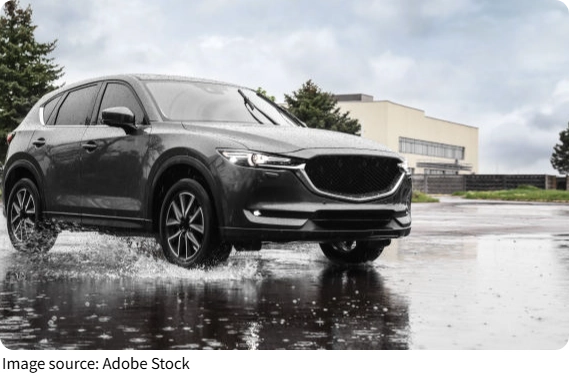
Respond Without Panic
When the steering suddenly feels light or the sedan begins to move away from the intended path, avoid an abrupt brake application or sharp steering correction. Ease off the accelerator, keep both hands steady, and look toward the open part of the lane while the tires regain contact. Electronic stability systems can assist within their design limits, but they cannot restore grip that the tires and surface do not provide.
If visibility becomes too poor to identify lane markings, vehicles, or people at a useful distance, leave the traffic stream at a suitable location. Use a proper parking area rather than stopping in a live lane or beneath a structure where the car may be difficult to see. Resume after conditions improve and the windows, lamps, and driver are ready.
Wet-road safety depends on preparation, lower speed, extra space, and calm control inputs working together. Checking the sedan before departure and choosing another route when water covers the road are practical decisions that reduce avoidable risk.
Popular
Pre-Reg Cars
July data shows which brands relied on pre-registered cars — and what buyers should know.
UK Market Changes Gear
UK car market grows, but the real story: electric and hybrid models are reshaping buyer choices.
UK Car Market Shifts
Electric and plug-in cars are gaining ground fast in Britain, while petrol and diesel continue to lose market share.
UK EV Rules Reviewed
Britain may soften future electric-car sales targets as rising registrations collide with concerns over cost and industry pressure.