Iron Deficiency Anemia
Iron Deficiency AnemiaPosted by Hiro on 31-08-2026
Healthy Life
Iron deficiency anemia occurs when the body does not have enough iron to produce sufficient hemoglobin, the protein in red blood cells that carries oxygen throughout the body.
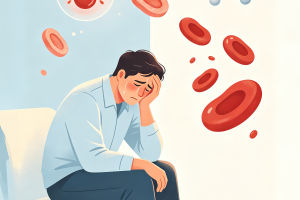
When iron stores become depleted, oxygen delivery can become less efficient, contributing to fatigue, weakness, difficulty concentrating, and reduced physical stamina.
Lykkers, recognizing the signs of iron deficiency anemia can help you understand when professional evaluation may be appropriate. Although a balanced diet can provide important sources of iron, persistent symptoms require proper assessment rather than self-diagnosis.
What Is Iron Deficiency Anemia?
Iron deficiency anemia develops when iron stores are insufficient for normal hemoglobin production. As hemoglobin levels fall, the blood becomes less effective at delivering oxygen to tissues.
“Your body uses iron to make hemoglobin, a protein in red blood cells that carries oxygen from the lungs to all parts of the body.” — National Institutes of Health.
The condition can develop gradually, meaning early symptoms may be subtle. As anemia becomes more pronounced, fatigue, weakness, breathlessness, dizziness, and reduced exercise tolerance may become increasingly noticeable.
Common Symptoms
The severity and onset of symptoms can vary. Common signs include:
- Persistent fatigue or weakness
- Shortness of breath, especially during activity
- Dizziness or lightheadedness
- Headaches
- Difficulty concentrating
- Feeling unusually cold
- Pale-looking skin
- Reduced exercise tolerance
- A faster or more noticeable heartbeat
Iron deficiency can also be associated with pica, which involves cravings for non-food substances. Nail changes may occur in some people.
Causes of Iron Deficiency
Low iron levels can result from insufficient intake, increased requirements, reduced absorption, or blood loss.
Potential causes include:
- Blood loss
- Heavy menstrual bleeding
- Pregnancy
- Increased iron requirements during periods of growth
- Reduced absorption of iron
- Certain digestive conditions
- A diet that provides insufficient iron
When the reason for iron deficiency is unclear, medical evaluation is important because treatment should address the underlying cause as well as the deficiency itself.
Who May Be at Greater Risk?
Iron requirements vary according to age and life stage. People who experience regular blood loss, have increased nutritional needs, or have difficulty absorbing nutrients may be more likely to develop iron deficiency.
Children and adolescents may require additional iron during periods of rapid growth. Pregnancy also increases iron requirements because the body needs additional iron to support increased blood production and fetal development.
Risk factors alone do not establish a diagnosis. Symptoms, medical history, and laboratory results provide a more complete picture.
How Is It Diagnosed?
Symptoms cannot confirm iron deficiency anemia on their own. A healthcare professional may use blood tests to evaluate hemoglobin levels and iron status.
A complete blood count can help identify anemia, while ferritin testing can provide information about stored iron. Depending on the circumstances, additional testing may be necessary to determine why iron levels are low.
Iron Deficiency Treatment
Treatment depends on the severity of the deficiency and its underlying cause.
Dietary improvements can help when insufficient iron intake contributes to the problem. Iron supplements may also be recommended when deficiency is confirmed and supplementation is appropriate.
Iron should not be taken in excessive amounts. High levels can be harmful, so supplements should be used according to appropriate medical guidance.
If blood loss, reduced absorption, pregnancy, or another condition contributes to the deficiency, that factor should also be addressed.
Foods High in Iron
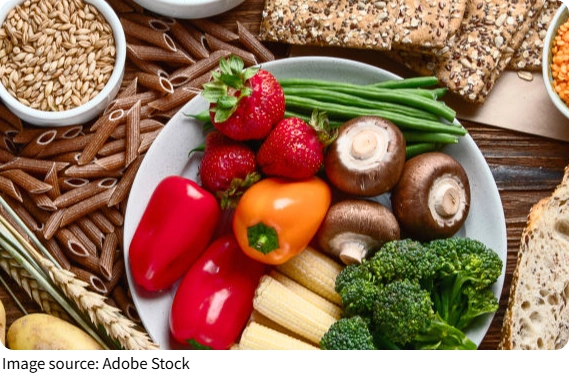
A varied diet can provide iron from both animal and plant sources. Options include:
- Poultry
- Fish and seafood
- Beans and lentils
- Tofu
- Dark green vegetables
- Iron-fortified cereals and grains
- Nuts and seeds
- Dried fruits
Iron from animal foods is generally absorbed more efficiently than non-heme iron from plant foods. Pairing plant-based iron sources with vitamin C-rich foods can improve the absorption of non-heme iron.
How to Support Healthy Iron Levels
Maintaining adequate iron begins with a varied, balanced diet and an understanding of individual nutritional needs.
Include iron-rich foods regularly and combine plant-based sources with vitamin C-rich foods when possible. However, dietary changes may not be sufficient for significant deficiency or anemia.
When low iron results from blood loss, reduced absorption, or another underlying issue, professional evaluation is needed to determine the most suitable approach.
When to Seek Medical Advice
Persistent fatigue, weakness, dizziness, breathlessness, or difficulty concentrating should not automatically be attributed to iron deficiency. Similar symptoms can occur with many other conditions.
Medical advice is particularly important when symptoms persist, worsen, or occur alongside possible signs of blood loss. Appropriate testing can establish whether iron deficiency anemia is present and guide further care.
Iron deficiency anemia can affect energy, concentration, and physical stamina, but effective management starts with determining why iron levels are low. Proper testing can confirm the condition and help guide treatment.
Iron-rich foods can support adequate intake, while supplements may be appropriate when recommended by a healthcare professional. Addressing the underlying cause is essential for restoring iron levels and supporting long-term well-being.
Popular
UK Finances Improve
British households are becoming less pessimistic about their finances, but renters and pensioners remain under the greatest pressure.
Immune Cells Enter Brain
With age, brain immune cells get replaced by bne-marrow-derived cells, linking brain to body's immunity.
DNA Architecture Shifts
DNA folding in brain cells changes with Alzheimer's and ageing – potentially altering gene function.
Pediatric Eye Exam Guide
A Parent’s Guide to Children’s Vision, Eye Health, Common Problems, Screening, and Treatment