Sandwich Layers That Hold
Sandwich Layers That HoldPosted by Nolan O'Connor on 27-08-2026
On Trend
Hello, friends. A sandwich seems simple, but a loose one falls apart by the second bite.
The fix is not piling everything on at once. Instead, you need a stacking order that manages moisture, grip, and weight, so each layer helps the next one stay in place.
What you will need
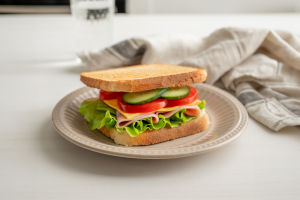
For one sandwich, you will need 2 slices sturdy bread, 1 tablespoon mayonnaise or mustard, 2 slices cheese, 3 ounces sliced chicke, 1 lettuce leaf, 2 tomato slices, and 3 pickle slices. Add onion, avocado, or other fillings as desired.
Bread needs a job
Start with bread that can handle the filling. Soft sandwich bread works for a simple chicken and cheese stack, but a crusty roll or sturdy sourdough holds up better if you are adding sliced tomato, lettuce, and several fillings. Before you add anything else, spread your condiment all the way to the edges. That thin layer of mayo, mustard, or softened butter does more than add flavor. It creates a light barrier between the bread and wet ingredients, especially tomato slices or pickles, which helps keep the bread from turning soggy too fast.
Dry layers come first
Most people put juicy ingredients wherever they fit, but that is where sandwiches start sliding. Put drier, flatter ingredients directly against the bread after the spread. Cheese is useful here because it sits neatly and forms a stable base. Sliced chicken or deli meat also works well when laid flat instead of folded into tall clumps. If you are using lettuce, place it near the bread to help buffer moisture from tomato or other juicy fillings. A leaf of romaine or iceberg gives you a dry layer with structure, and that small detail changes how cleanly the sandwich holds when you pick it up.
Wet ingredients need buffering
Tomatoes, pickles, roasted vegetables, and tuna salad bring flavor, but they also make a sandwich slippery. Keep those ingredients in the center, not right against the bread. If you are adding tomato, pat the slices dry first. That takes a few seconds and cuts down on excess liquid. For chunky fillings such as egg salad or chicken salad, spread them evenly instead of mounding them in the middle. A thick mound in the center pushes the bread apart, and then everything starts shifting as soon as you take a bite.
Height causes the trouble
A sandwich does not usually fall apart because of one ingredient. It falls apart because it gets too tall and uneven. Keep heavier items low and broad, then finish with lighter layers on top. Crispy strips often get added in a loose crisscross pile, but a flatter arrangement works better because it does not create hard ridges. The same goes for onion slices. Separate the rings and spread them out instead of stacking several circles in one spot. If you want avocado, mash it slightly rather than adding thick wedges, because smooth avocado grips the bread better and does not slide out in one piece.
Press, cut, then rest
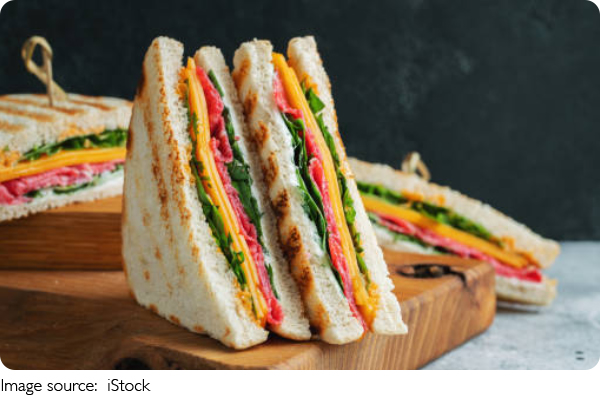
Once the sandwich is built, press it gently with your palm. Do not squash it flat, just help the layers settle together. If you are cutting it, a diagonal cut is often easier to hold than cutting straight down the middle, especially for a club-style sandwich. For a very full sandwich, letting it sit for a minute helps the fillings settle and the spreads cling to the layers. If you are packing it for later, wrap it snugly in parchment paper or foil so the shape stays tight until you eat it.
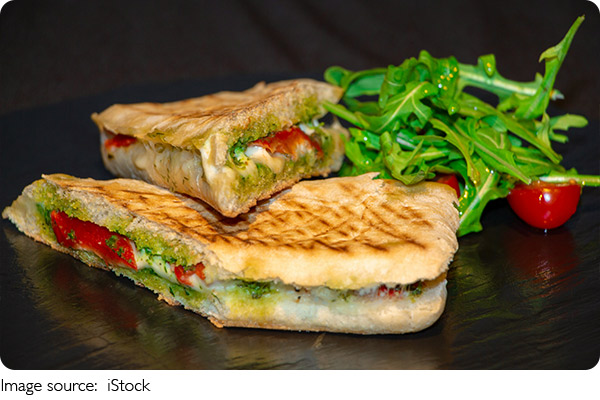
A good sandwich does not need extra tricks, just better order. Put spreads on the bread, keep dry ingredients near the outside, tuck wetter fillings into the middle, and do not build more height than the bread can handle. You will notice the difference right away, especially with ingredients such as tomato, lettuce, cheese, and deli meat. So next time you build one, stack with a plan and give yourself a sandwich you can actually eat without chasing half of it across the plate.
Popular
Giant Garlic Babka
A fluffy babka-style loaf packed with garlic butter, Parmesan and parsley turns the humble garlic knot into a dramatic centerpiece.
Artichoke Butter Baguette
A crusty baguette, broiled artichokes, sharp Dijon and crunchy pickles make this 10-minutes sandwich surprisingly luxurious.
Gooey Butter Cookies
Crispy, chewy, with white chocolate and rice crunch – these cookies are anything but ordinary.
August Cooking Ideas
From soy-marinated eggs to no-cook tomato pasta, these easy ideas make late-summer meals far more interesting.