Master Your Motorcycle
Master Your MotorcyclePosted by Owen Murphy on 21-08-2026
Useful Tips
Hello everyone. This guide explains off-road motocross riding techniques and equipment choices to help you improve your control on unpaved terrain. Selecting a proper dirt bike determines your ability to handle rough trails and motocross tracks.
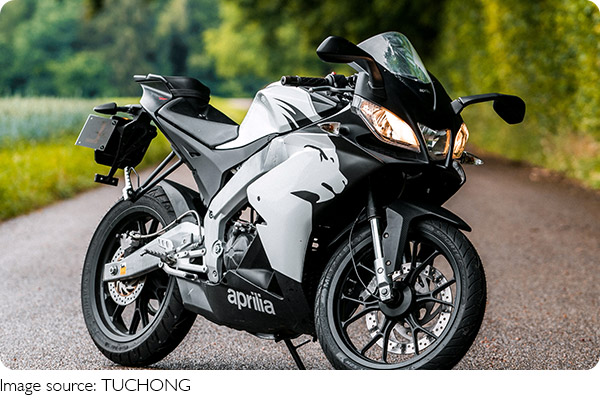
Manufacturers build specific models tailored for different skill levels and environments.
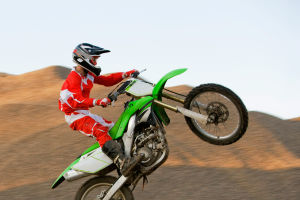
The Honda CRF series offers reliable four-stroke power suitable for beginners and experienced riders. The Yamaha YZ lineup provides sharp handling and responsive suspension systems for competitive track use. European models like the KTM SX series feature lightweight chassis designs and high-performance hydraulic clutches. The Kawasaki KX models, recognized by their green fairings, deliver strong mid-range torque for navigating deep sand or steep inclines.
Riders must evaluate their physical height and riding experience when selecting engine displacement, which typically ranges from 125cc to 450cc. Evaluating seat height ensures you can plant both feet firmly on the ground when stopped.
Essential Body Positioning and Balance
Correct body positioning keeps the motorcycle stable over unpredictable surfaces. Riders should stand on the footpegs rather than sit on the seat when crossing rough terrain. Standing lowers your center of gravity and allows your legs to absorb impacts from bumps and ruts. You must grip the fuel tank securely with your knees to maintain control and reduce fatigue in your arms.
Keep your elbows elevated and away from your torso to provide maximum leverage on the handlebars. When accelerating, lean your upper body forward to prevent the front wheel from lifting off the ground. During hard braking, shift your weight backward to maintain traction on the rear tire and prevent the motorcycle from diving forward. Maintaining a central, balanced posture enables quick adjustments as track conditions change.
Throttle Control and Clutch Management
Precise throttle and clutch inputs prevent wheelspin and stalling in difficult sections. You should roll the throttle open smoothly instead of twisting it abruptly. Sudden acceleration breaks rear-wheel traction, causing the motorcycle to slide sideways. Applying consistent throttle helps the suspension compress evenly, which improves stability through corners and over jumps.
The clutch lever requires continuous adjustment to manage engine revolutions and power delivery. Slipping the clutch slightly prevents the engine from stalling when riding at low speeds over technical obstacles. Riders use two fingers on the clutch lever and two fingers on the front brake lever to maintain a secure grip on the handlebars. This finger placement allows for immediate reaction times without compromising overall steering control.
Navigating Sand, Mud, and Rocky Terrain
Different surface conditions require specific adjustments to your riding technique and motorcycle setup. When riding through deep sand, you must maintain a steady throttle to keep the front tire from digging into the surface. Shifting your weight slightly backward helps the front wheel float over the sand, while momentum carries the motorcycle forward.
Muddy trails demand smooth steering inputs and careful braking to avoid sliding. Lowering tire pressure provides a larger contact patch, increasing grip on slick surfaces. On rocky trails, you should look ahead to identify the smoothest line rather than focusing on the front fender. Maintain a relaxed grip on the handlebars so the front wheel can deflect slightly off rocks without throwing you off balance.
Critical Safety Gear for Off-Road Riding
Operating a motocross motorcycle requires specific protective equipment to reduce the risk of injury. A full-face helmet certified by recognized testing organizations protects your head and jaw from impacts and flying debris. Motocross goggles fit securely inside the helmet opening to shield your eyes from dust, branches, and mud.
Sturdy off-road boots provide ankle support and protect your lower legs from rocks and hot exhaust pipes. Articulated knee braces prevent unnatural joint movement during falls or heavy landings. You should wear padded gloves to prevent blisters and improve your grip on the controls. Chest protectors and durable riding pants complete the necessary equipment list for regular off-road sessions.
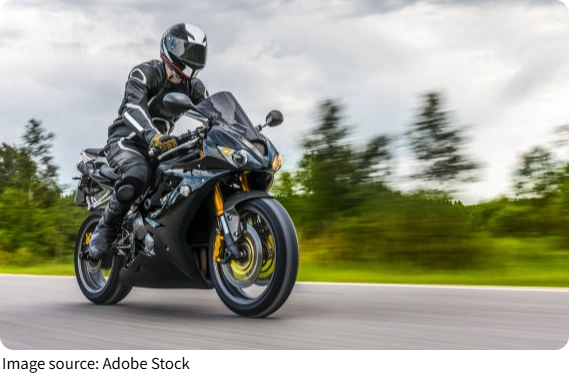
With the right techniques and protective gear, you can feel more confident and comfortable on your motorcycle. Start by practicing in a controlled area where you can get used to each skill before taking on more challenging trails or motocross tracks. As your control improves, you’ll be able to ride longer, stay more relaxed, and enjoy the experience even more.
Popular
UK EV Charging Expands
Britain had 119,080 public EV chargers by April 2026, but access and charging speeds still varied sharply by region.
Simpler Car Energy Labels
German auto associations back a standard EU digital label to simplify car choices.
Car Recycling Tightens
EU car recycling rules: more recycled materials, easier dismantling and reuse.
The Motorcycle Secret
Turn classic cruisers into unstoppable, comfortable touring machines ready to conquer your next endless highway adventure.