Children’s Eye Exam Guide
Children’s Eye Exam GuidePosted by Mariana Silva on 20-08-2026
Healthy Life
Healthy vision supports a child’s development, learning, communication, and daily activities. Because young children may not recognize that they have difficulty seeing, some vision problems can remain unnoticed.
Age-appropriate screening helps identify potential concerns, while children with symptoms or abnormal results may need a more detailed eye examination.
Why Children’s Eye Exams Matter
Vision develops throughout childhood, making early identification of problems important. Refractive errors, amblyopia (commonly called lazy eye), and strabismus (eye misalignment) can interfere with normal visual development when they are not recognized and appropriately managed.
Early assessment allows healthcare professionals to determine whether a child needs monitoring, corrective lenses, further evaluation, or treatment. The appropriate type and frequency of assessment depend on the child’s age, health, symptoms, and risk factors.
“Routine vision screenings are an important part of a child's comprehensive medical care.”— American Academy of Ophthalmology.
When Should Children Have Their Vision Checked?
Eye health assessment begins during infancy. Early checks may include examination of the eyes, pupil responses, eye movements, and the red reflex. Abnormal findings may require further evaluation.
As children become able to cooperate, visual-acuity screening becomes an important part of routine assessment. Preschool children can generally undergo age-appropriate visual-acuity testing once they can participate reliably. After age 5, screening is commonly repeated every one to two years, depending on clinical recommendations and the child’s individual needs.
Children with symptoms, abnormal screening results, or factors that increase their risk of vision problems may require earlier or more frequent assessment.
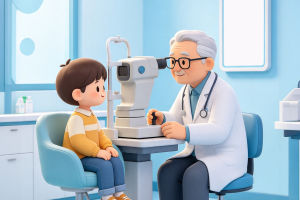
What Happens During an Eye Examination?
The examination is adapted to the child’s age and ability to participate. Depending on the child’s needs, an eye-care professional may assess:
- Visual acuity
- Eye alignment and movement
- Pupil responses
- The appearance of the eyes and eyelids
- The red reflex
- Focusing ability
- Ability to follow moving objects
- Refractive errors
- Signs of conditions affecting visual development
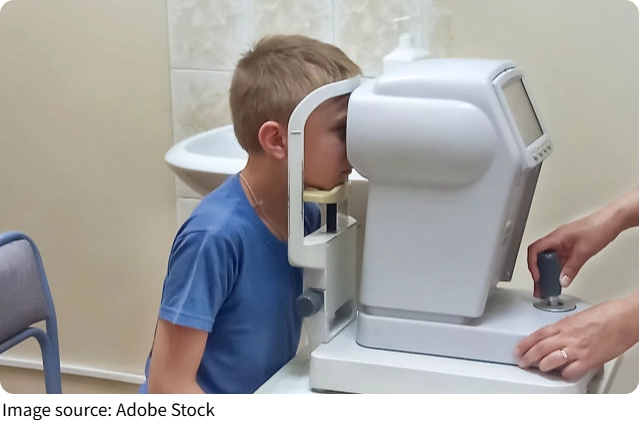
Younger children may use picture-based vision charts or other age-appropriate methods. Instrument-based screening may also be used when appropriate.
If screening identifies a concern or cannot be completed reliably, a comprehensive eye examination may provide a more detailed assessment.
Signs That May Require an Eye Evaluation
Parents should pay attention to persistent changes in a child’s visual behavior. Possible signs include:
- Frequent squinting
- Closing one eye while looking at an object
- Difficulty seeing distant objects
- Holding books or screens unusually close
- Frequent eye rubbing
- Eyes that appear misaligned
- Difficulty tracking objects
- Persistent tearing or discharge
- Blurred or double vision
- Difficulty with visually demanding activities such as reading
Not all children with vision problems show obvious symptoms, so routine screening remains an important part of childhood eye care.
Children Who May Need Earlier Assessment
Some children have factors that can increase the likelihood of vision problems. These may include a family history of childhood eye conditions, premature birth, certain medical or developmental conditions, or previously identified eye or vision abnormalities.
A child who does not pass a vision screening should receive the recommended follow-up rather than waiting for the next routine screening.
Vision Screening and Comprehensive Eye Examinations
Vision screening is a brief assessment used to identify children who may need further evaluation. It may be performed during a healthcare visit, at school, or through another screening program.
A comprehensive eye examination is a more detailed assessment of the eyes and vision. It may be recommended following an abnormal screening result or when symptoms, unusual visual behavior, or specific risk factors are present.
The two approaches serve different purposes: screening helps identify children who may need attention, while a comprehensive examination provides more detailed information when indicated.
Preparing Your Child for an Eye Appointment
Parents can make an appointment more comfortable by explaining that the examination involves simple activities designed to assess how the eyes work.
Before the appointment, parents may want to bring information about previous vision screenings and any current or previous vision prescriptions. It is also helpful to describe specific changes they have observed, such as squinting, apparent eye misalignment, or difficulty seeing.
Supporting Healthy Vision
Healthy daily habits can complement routine vision care. Children who spend long periods doing close-up activities can benefit from regular breaks and comfortable viewing distances.
Spending time outdoors is also associated with a lower likelihood of developing myopia, or nearsightedness. Periodic screening and appropriate follow-up can help identify children who may need further assessment for vision changes.
Parents should also pay attention to changes in how their child uses their eyes and seek professional advice when visual difficulties persist or interfere with everyday activities.
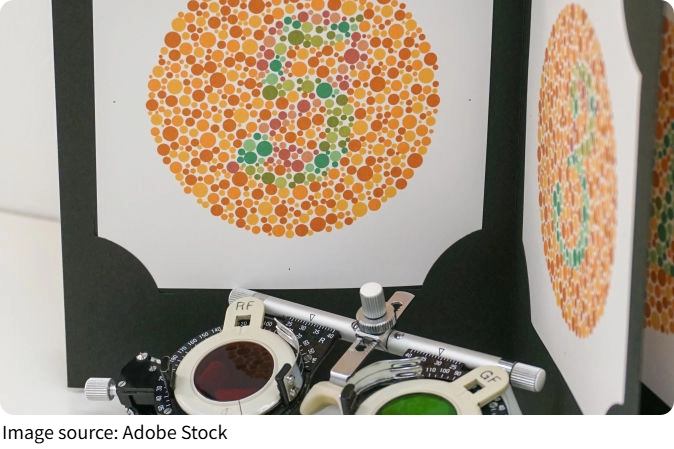
Children’s eye care combines routine screening with appropriate follow-up when concerns arise. Early assessment can help identify conditions that may affect visual development, while comprehensive examinations provide more detailed evaluation when they are needed.
Following age-appropriate screening recommendations and paying attention to changes in a child’s vision can help parents support healthy visual development throughout childhood.
Popular
Grandparent Memories Matter
How meaningful relationships, shared experiences, and family traditions can shape childhood memories
Water Temperature for Kids
Is cold, room-temperature, or warm water better for children’s teeth? Learn what matters most for healthy teeth and daily hydration
Children’s Eye Exam Guide
When children should have their vision checked, what an eye examination involves, and signs that may require professional evaluation
Cloud Banking Shift
Cloud outsourcing is lowering technology barriers and giving smaller banks a stronger chance to compete.