7 Decluttering Methods
7 Decluttering MethodsPosted by Ravish Kumar on 19-08-2026
On Trend
Decluttering sounds simple until you are standing in front of an overflowing wardrobe, a chaotic garage or a drawer full of things you have not used in years. The hardest part is often deciding where to begin.
Different methods work for different types of mess. Some are ideal for one room, others for the entire home, and a few are better at preventing clutter from returning. Here are seven practical approaches worth trying.
1. The Ski Slope Method
This method treats a messy room like a steep ski slope: instead of rushing straight through it, you move gradually from side to side.
Choose one corner and work across a small section before moving diagonally to the next. Continue until you have covered the entire room. The advantage is psychological. You never have to confront the whole space at once, and each completed area gives you visible progress. It works particularly well for bedrooms, living rooms and offices where clutter is spread across several surfaces.
2. Swedish Death Cleaning
Despite the dramatic name, Swedish death cleaning is really about reducing unnecessary possessions so your home becomes easier to manage.
The idea was popularised by Margareta Magnusson and originally focused on simplifying belongings later in life. However, the method can be useful at any age.
Start with larger, less emotional categories such as furniture, storage spaces and duplicates. Leave sentimental objects until later.
Ask whether each possession makes everyday life more comfortable, useful or enjoyable. If not, consider letting it go.
This approach suits people who want a deep, whole-home reset rather than a quick tidy.
3. The Four-Box Method
For beginners, few systems are easier.
Take four containers and label them:
Keep
Donate
Sell
Discard
Then work through one area and place every item into one of the four categories.
The method prevents you from simply moving clutter from one surface to another. Try to avoid creating an enormous “maybe” pile. If everything becomes undecided, you have simply created another form of clutter. The four-box system is especially useful for wardrobes, kitchen cupboards, bathroom storage and children’s rooms.
4. The KonMari Method
Marie Kondo’s famous method approaches decluttering by category rather than by room. The suggested order is clothing, books, papers, miscellaneous objects and finally sentimental belongings.
Instead of asking only whether something is useful, consider how you feel about owning it. Does it still have a meaningful role in your life, or are you keeping it out of habit, guilt or obligation?
Working by category also reveals how much you actually own. Ten books scattered around different rooms might not seem like much until every book is placed together.
KonMari works particularly well for people who struggle emotionally with deciding what to keep.
5. The Packing Party
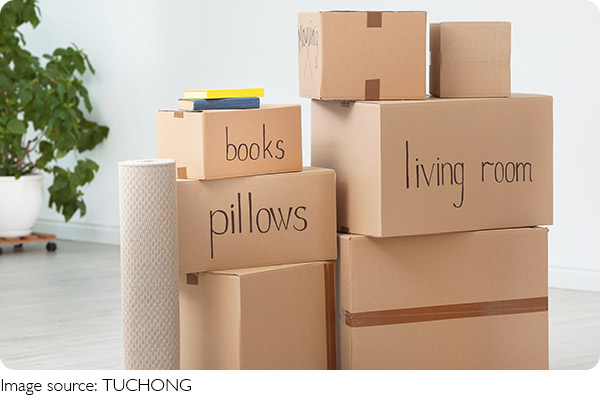
This is one of the more extreme approaches. Pretend you are moving house and pack almost everything into boxes. Then, over the next few weeks, remove only the things you genuinely need.
After about three weeks, look at what remains packed.
The untouched boxes reveal how many possessions play little or no role in your everyday life.
However, common sense is essential. Seasonal clothing, important documents, emergency equipment and occasionally used tools should not be discarded simply because you did not need them during one short period. This method is especially useful before an actual move.
6. The Minimalism Game
If you enjoy challenges, turn decluttering into a numbers game. Remove one item on the first day of the month, two on the second, three on the third and continue increasing the number daily.
By day 31, you will have removed 496 items.
The challenge becomes surprisingly demanding towards the end of the month, when you may need to find more than 20 items in a single day.
It works best in homes with significant accumulated clutter. The downside is that focusing too heavily on numbers can encourage rushed decisions. Do not throw away something useful just to hit the daily target.
7. One In, One Out
This method becomes most useful after you have already decluttered. Every time you bring home a new item, remove a similar one.
Buy a new coat? Decide which existing coat can leave. Add another pair of shoes? Reconsider one pair already in the wardrobe.
The rule keeps the total volume of possessions relatively stable and also discourages impulse shopping. It works especially well for clothing, books, toys, kitchen equipment and beauty products.
Which Method Should You Choose?
There is no single perfect system.
For one messy room, try the ski slope method. For cupboards or wardrobes, the four-box approach is straightforward. If you want a complete lifestyle reset, Swedish death cleaning or KonMari may suit you better.
The Minimalism Game works when you need motivation, while one in, one out is excellent for preventing clutter from rebuilding.
You can also combine methods. Use four boxes while moving through a room ski-slope style, then introduce the one-in, one-out rule once you finish
Progress Matters More Than Perfection
A successful declutter does not require empty shelves or a minimalist home.
The goal is to make your space easier to use and ensure the things around you deserve the room they occupy.
The most effective decluttering method is ultimately the one you can continue using. Start small, make clear decisions and build a system that prevents today’s cleared surfaces from becoming tomorrow’s clutter again.
Popular
8 Habits That Simplify Life
Small daily routines can make mornings calmer, homes tidier and busy days easier to manage.
7 Decluttering Methods
If clutter feels overwhelming, the right strategy can turn a frustrating clear-out into a much more manageable project
Balance Work & Life
Feeling stretched too thin? Simple daily shifts can help make room for work, rest, fun, and yourself!
Building Bright Minds
How Building Blocks Help Kids Learn and Create