Bees Talk Without Words!
Bees Talk Without Words!Posted by Mariana Silva on 10-08-2026
Wild Animals
Welcome back, Friends! Imagine living in a city where thousands of neighbors must work together without words, phones, or messages. Inside a honeybee colony, survival depends on a unique communication system using movements, scents, vibrations, and chemical signals.
Despite their tiny brains, bees can share important information and coordinate as one society. Their hidden language reveals one of nature’s most fascinating forms of teamwork.
A Colony Connected by Constant Communication
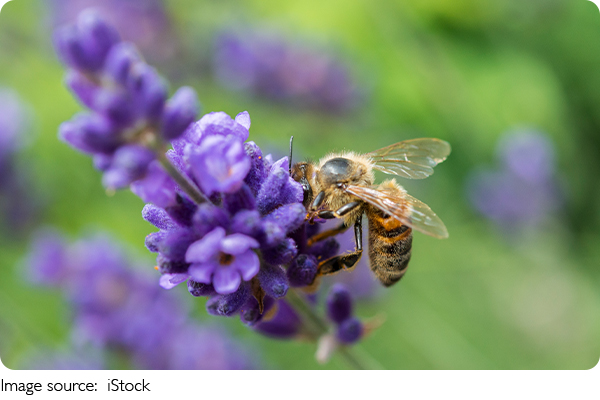
Honeybees are highly social insects that depend on cooperation. A single hive can contain tens of thousands of individuals, including a queen, worker bees, and male drones. Each member has a specific role, and communication allows the colony to coordinate these tasks efficiently.
Worker bees may spend their lives performing different jobs, from caring for young larvae and maintaining the hive to collecting nectar and defending the colony. Because thousands of bees are working simultaneously, they need a reliable way to exchange information.
Without communication, a hive would quickly become disorganized. For example, food collectors must inform others about the location of valuable nectar sources, while guard bees need to warn the colony about possible threats.
Although many people imagine all bees living in large colonies, some bee species are solitary. Wild bees, including certain mason bees, often build individual nests and collect resources independently. However, the famous honeybees that produce honey rely heavily on social communication to survive.
Chemical Messages: The Power of Pheromones
One of the most important communication methods in a bee colony involves pheromones. These are chemical signals produced by bees that influence the behavior of other members of the hive.
Unlike human communication, which relies heavily on sound and visual information, bees use their sensitive antennae to detect chemical messages in their environment. These signals can tell other bees about danger, reproduction, colony organization, and the presence of their queen.
The queen bee produces a special combination of pheromones that helps maintain order inside the colony. These chemicals influence worker bees and reinforce the social structure of the hive.
When the queen is healthy and producing strong pheromone signals, worker bees recognize her presence and continue performing their normal duties. If the queen disappears or her chemical signals weaken, workers can detect the change and begin preparing to replace her.
The Queen’s Chemical Influence
The queen bee’s pheromones are especially important during reproduction. Before a queen leaves the hive for her mating flight, she releases chemical signals that communicate her reproductive state to nearby drones. This process ensures that drones recognize the opportunity to mate during a specific period.
After returning to the colony, the queen’s chemical influence continues to help regulate hive behavior. For beekeepers, understanding pheromone communication is extremely valuable. It helps them handle colonies more carefully because disturbing the chemical balance of a hive can affect bee behavior.
However, pheromones are only one part of the bee communication system. Bees also rely on movement and physical signals to share detailed information.
The Famous Waggle Dance: A Map Written in Motion
Perhaps the most remarkable example of bee communication is the waggle dance. This behavior was famously studied by Austrian scientist Karl von Frisch, whose research on honeybee communication earned him the Nobel Prize in Physiology or Medicine in 1973. His discoveries revealed that bees could communicate the location of food sources through a specific movement pattern.
When a worker bee finds a rich source of nectar or pollen, it returns to the hive and performs a figure-eight movement called the waggle dance. This dance provides other bees with important details about where to fly.
The angle of the bee’s movement indicates the direction of the food source relative to the position of the sun. The duration of the waggle portion communicates distance—the longer the movement continues, the farther away the resource is located. This means a small insect can effectively create a biological navigation system without using any spoken language.
More Than Location: A Complete Information System
The waggle dance is not just a simple instruction saying, “Food is over there.” It contains multiple layers of information. A returning bee can communicate whether a food source is worthwhile by adjusting the intensity and repetition of the dance. A stronger dance encourages more workers to investigate the location, while a weaker response may indicate that the resource is less valuable.
Bees also combine movement with other signals, including vibrations and sounds produced inside the hive. These additional messages help coordinate activities and maintain cooperation among thousands of individuals. Their communication system works because each bee understands the signals according to its biological programming and sensory abilities.
A Different Way of Understanding the World
Human communication is based mainly on speech, writing, and visual symbols, but bees experience their environment differently. Their compound eyes, sensitive antennae, and ability to detect chemical signals allow them to gather information that humans cannot perceive naturally.
Studying bees reminds scientists that intelligence does not always look like human intelligence. A bee does not need a large brain to solve complex social problems. Instead, millions of years of evolution have created a communication system perfectly matched to the needs of the colony.
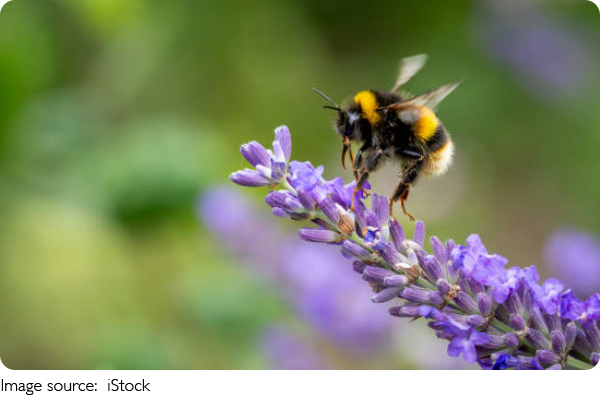
The secret language of bees is a powerful example of cooperation in nature. Through pheromones, vibrations, and the famous waggle dance, these tiny insects can share information, organize thousands of individuals, and protect their entire community.
Popular
Tiger Cub Journey
How Do Tiger Cubs Grow Up? Discover Their Amazing Journey From Tiny Cubs to Independent Hunters!
Get Cats to Drink More
How to Get Your Cat to Drink More Water: Simple Tips for Fussy Drinkers
First Cat Budget
A simple starter checklist so your new cat does not turn your wallet into confetti
Two Cats, Best Match
A simple guide to age pairing so two cats can share space with less stress and more harmony