Goat Farming Guide
Goat Farming GuidePosted by Ethan Sullivan on 05-08-2026

Useful Tips
Hello, Lykkers! Have you ever wondered why some white goats grow well, stay active, and adapt easily throughout the year?
The answer often comes from simple daily care rather than complicated methods. When we provide a clean home, balanced feeding, and regular health management, our goats can develop steadily and remain in good condition.
Let's explore practical and easy-to-follow tips that can help us improve white goat farming step by step.
Build A Comfortable Shelter
A well-designed shelter is one of the first steps toward successful white goat farming. We should choose a location that is slightly higher than the surrounding ground so rainwater can drain away easily. A sunny area with good airflow helps keep the environment fresh while reducing excess moisture.
During warm months, we can improve comfort by increasing ventilation and providing shaded areas. In cooler seasons, simple insulation helps keep the indoor temperature stable. Cleaning the shelter every day is equally important.
Removing leftover feed and keeping the floor dry creates a cleaner living space. Regular sanitation of feeding equipment and resting areas also helps maintain a healthy environment for the herd.

Provide Balanced Daily Feeding
Good nutrition supports steady growth and strong physical condition. We can divide the herd into different groups according to age, size, and growth stage so that each group receives suitable feeding.
A practical feeding routine follows three basic principles: feeding at the same time each day, providing suitable portions, and maintaining consistent feed quality. Sudden changes in feed should be avoided because goats adapt better to gradual adjustments.
Fresh and clean drinking water should always be available. Water containers should be washed regularly to prevent contamination. Many farmers also provide a small amount of mineral salt before feeding each day, helping support normal body functions.
Along with quality forage and suitable concentrates, balanced mineral supplements containing calcium, iron, copper, and other essential nutrients contribute to healthy development.
Support Healthy Growth
As goats continue growing, nutritional requirements gradually change. During periods of faster growth, carefully selected feed supplements may help improve feed efficiency under professional guidance. A balanced feeding plan allows animals to develop evenly without placing unnecessary pressure on their digestive system.
Monitoring body condition regularly is also useful. Instead of waiting until visible problems appear, we can observe weight changes and overall appearance every few weeks. Small adjustments made early often produce better long-term results than major changes later.
Carry Out Regular Health Checks
Daily observation is one of the easiest management habits we can develop. Every morning and evening, we should pay attention to appetite, water intake, movement, resting behavior, and overall activity. Bright eyes, smooth walking, and steady feeding usually indicate that goats are doing well.
If any goat shows unusual behavior, reduced appetite, or signs of discomfort, separating it from the rest of the herd for closer observation can help prevent additional problems. Seeking guidance from qualified animal health professionals allows us to respond appropriately whenever necessary.
Routine preventive health programs designed for local farming conditions also contribute to long-term herd management. Following recommended schedules keeps overall management organized throughout the year.
Keep The Environment Clean
Clean surroundings contribute greatly to successful farming. During the finishing period, walls, floors, feeding equipment, and nearby areas should all be cleaned and sanitized regularly using suitable sanitation products according to safety instructions.
Body grooming is another simple but valuable task. Brushing goats removes loose dirt, keeps the coat tidy, and allows us to notice any changes on the skin or coat early. Good ventilation, dry bedding, and clean feeding areas together create a more comfortable place for the animals every day.
Manage Groups Efficiently
When the herd becomes larger, grouping animals according to age, body size, and growth stage makes management much easier. Similar-sized goats usually compete less during feeding, allowing each one better access to feed.
Regular weighing provides useful information about growth performance. Recording weight, feed intake, and general observations creates valuable records that help us improve future management decisions. Over time, these records become a helpful reference for planning feeding schedules and estimating production performance.
Choose The Right Timing
Planning is another important part of successful farming. Before deciding when goats are ready for market, we should evaluate several factors together, including body condition, seasonal feed availability, management costs, and current market demand.
Rather than focusing on only one factor, balancing these considerations helps improve overall farming efficiency. Careful planning also allows us to prepare transportation, feeding schedules, and future herd management more smoothly.
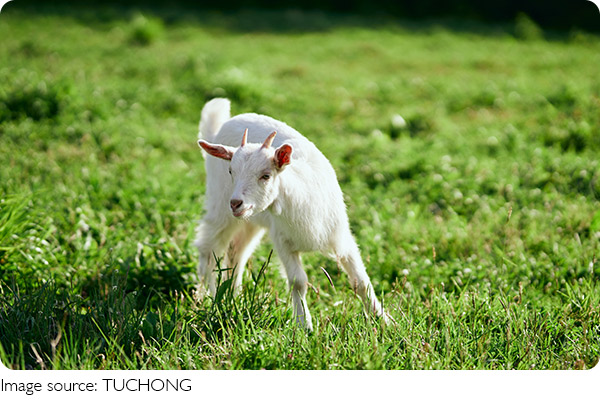
Lykkers, successful white goat farming is built through many small daily habits. A comfortable shelter, consistent feeding, clean water, regular observation, organized management, and careful record-keeping all work together to support healthy growth over time.
Every improvement we make today can contribute to better results in the future. Which of these management tips do you find the most useful? We'd love to hear your thoughts and experiences as we continue learning together!
Popular
Pick a Healthy Kitten
Simple signs to spot a bright, lively kitten before bringing one home
Bird Noise Basics
What first-time bird keepers should know before bringing home a chirpy little roommate
Yellow Baboon Drama
Yellow Baboon Takes Lion Cub Away? The Unexpected Wildlife Moment That Left Observers Amazed!
Chipmunk Hidden Genius
Why Can Chipmunks Carry 6 Acorns at Once? The Tiny Cheek Pouch Trick Behind Their Forest Survival!