Keep Plants Looking Good
Keep Plants Looking GoodPosted by Finnegan Flynn on 27-07-2026
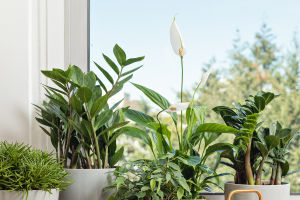
On Trend
Hi, Readers! A plant can brighten a room in seconds, but keeping it attractive over time takes more than occasional watering.
Long-lasting display value comes from steady care, the right position, and quick attention when something starts to go off track. If you want plants to keep their shape, color, and freshness, the key is to build a few reliable habits and adjust them to each plant’s needs.
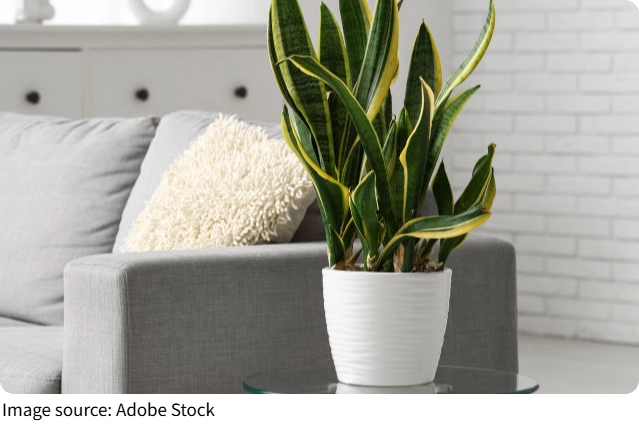
Give the right light
Light has a huge effect on how a plant looks. Too little light often leads to weak, stretched growth, pale leaves, and a loose shape. Very strong direct sun can scorch leaves and leave dry patches. Place each plant where its light needs are matched as closely as possible. Many indoor plants do well in bright but indirect light, while some tolerate lower light conditions better. Turning the plant every so often can also help it grow more evenly instead of leaning heavily to one side.
Water with consistency
One of the fastest ways to reduce a plant’s ornamental value is uneven watering. Both overwatering and letting the plant dry too far can lead to yellowing leaves, drooping, or root problems. Check the compost before watering rather than following a rigid routine. Water when the growing medium begins to dry at the surface if that suits the species. Let excess water drain away so roots are not left sitting in constant wetness. A consistent approach usually keeps foliage cleaner, firmer, and more vibrant.
Manage temperature and humidity
Plants generally stay attractive longer when conditions are stable. Sudden temperature changes, cold drafts, or very dry indoor air can damage leaf edges and reduce overall freshness. Keep plants away from places with frequent temperature swings, such as near heaters or drafty windows. For species that prefer more moisture in the air, raising humidity can help reduce browning and keep leaves looking better. Grouping plants together may help create a slightly more humid pocket around them.
Feed and repot when needed
A plant that stays in exhausted compost for too long often loses vigor and visual appeal. During active growth, a suitable feed can support healthy leaves and steady development. Repotting also matters when roots outgrow the container or the compost structure breaks down. Moving a plant into fresh growing medium, with a container only slightly larger if needed, can refresh growth and improve appearance. Good drainage remains essential, since healthy roots are closely linked to good-looking top growth.
Keep plants tidy and monitor problems
Regular grooming makes a big difference. Remove yellowing leaves, faded flowers, and damaged growth so the plant directs energy into healthy parts and looks neater right away. Wiping dust from leaves can improve appearance and help light reach the surface more effectively. It is also wise to check often for pests or signs of disease, since early action prevents small issues from spoiling the whole plant. Clean containers and a tidy surface around the container also improve the overall display.
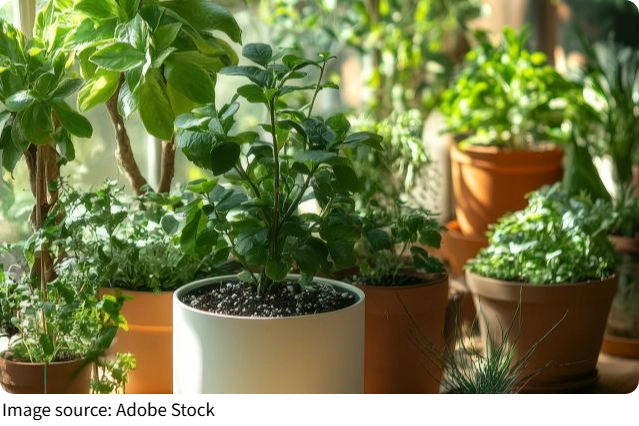
Choose suitable plants and rotate displays
Long-term ornamental success starts with realistic plant choice. A plant suited to your space is much easier to keep looking good than one constantly struggling with the conditions. Consider available light, room temperature, and how much time you can give to care. Rotating plants between display spots and recovery spots can also help, especially if a decorative location is less than ideal for long periods. This way, the plant gets a chance to regain strength while still remaining part of your indoor display plan.
Popular
Renovation Needs
Some renovation wishes sound essential at first, but many turn out less useful in real daily life.
A Home That Fits
Why some homes feel better with time, and how thoughtful design quietly supports daily comfort
Design for Real Life
The most important principle in renovation is making every choice serve function, comfort, and daily life.
Future Home Shifts
A gentle look at how home design may grow more flexible, caring, and responsive to everyday life.