Vitamin-Rich Fruits
Vitamin-Rich FruitsPosted by Mason O'Donnell on 10-07-2026
On Trend
Hi, Readers! When someone tells you to eat more fruit for your vitamins, you probably nod along without thinking too much about it.
But have you stopped to wonder which fruits actually deliver which vitamins, and whether eating them randomly really covers your nutritional needs? It turns out there is a lot more logic to this than most people realize.
Why Fruits Are a Smart Source of Vitamins
Fruits are among the most accessible and enjoyable ways to get essential vitamins into your body. Unlike supplements that come in pill form, fruits carry vitamins alongside natural sugars, fiber, and water, which can support how your body absorbs and uses those nutrients. The key is knowing what you are actually getting from different types of fruit, rather than assuming that eating any fruit is equally beneficial.

Vitamin C: The Star of the Show
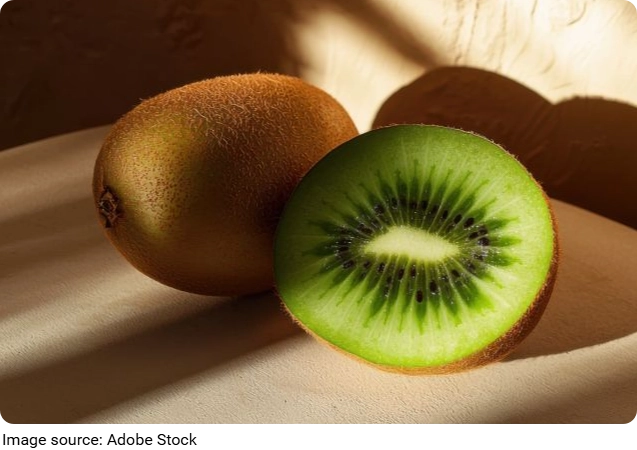
If there is one vitamin most people associate with fruit, it is vitamin C. And rightfully so. Citrus fruits like oranges, grapefruits, and lemons are well-known sources, but they are far from the only options. Kiwi fruits are actually exceptionally high in vitamin C, often containing more per gram than an orange. Strawberries, guavas, and papayas are also packed with this immune-supporting vitamin. Vitamin C plays a key role in collagen production, supports the immune system, and acts as an antioxidant that protects cells from damage. People who regularly include these fruits in their diet are less likely to fall short on their daily vitamin C intake.
Vitamin A: Look to the Orange and Yellow Fruits
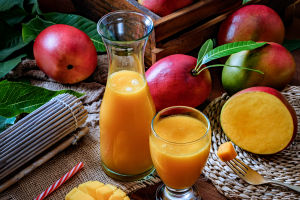
Many people do not realize that fruits can also contribute meaningfully to vitamin A intake. This vitamin is important for vision, skin health, and immune function. Fruits that tend to be orange or yellow in color often contain beta-carotene, which the body converts into vitamin A. Mangoes, cantaloupes, and apricots are all good examples. Including a variety of these in your weekly fruit rotation helps ensure you are not only getting vitamin C but also supporting your body with provitamin A compounds.
B Vitamins in Fruit: The Underrated Contribution
Fruits are not typically thought of as major B vitamin sources, but some do offer meaningful amounts. Bananas, for instance, are a reliable source of vitamin B6, which supports brain health and helps the body metabolize protein. Avocados, though often categorized differently from other fruits, provide folate and B5, both of which support energy metabolism and cell production. While fruits alone would not fully cover all your B vitamin needs, they do complement a balanced diet well.
How Preparation Affects Vitamin Content
One practical point worth knowing is that how you handle and eat fruit affects how much of its vitamin content you actually receive. Vitamin C, in particular, is sensitive to heat and air exposure. Eating fruit fresh and whole, rather than cooking it or letting cut pieces sit out for too long, helps preserve more of its nutritional value. Juicing can remove fiber and sometimes reduces vitamin content depending on processing methods. Whole fruit, eaten soon after being cut or peeled, is generally the best approach to maximize what you get.
Eating a Wide Variety Is the Real Strategy
No single fruit covers all your vitamin needs, and that is actually fine. The smarter approach is variety. Different fruits bring different strengths, so rotating through seasonal options throughout the week gives you a broader nutritional profile. Pair citrus or kiwi for vitamin C, add mango or cantaloupe for beta-carotene, toss in a banana for B6, and you have already covered a meaningful range without overthinking it. Diversity is genuinely the best tool here.
Dr. Walter Willett, professor of epidemiology and nutrition at the Harvard T.H. Chan School of Public Health, notes that the healthiest dietary patterns include a wide variety of fruits and vegetables because different produce provides different vitamins, minerals, fiber, and beneficial plant compounds.
Eating fruit for vitamins is not a myth, it is real and well-supported by nutrition science. The key is being intentional about which fruits you include and how you eat them. Rather than grabbing the same apple every day out of habit, try mixing things up and paying a little more attention to what different fruits actually offer. Your body benefits most from variety, freshness, and consistency. So next time you reach for a snack, consider making it a colorful, vitamin-rich fruit choice. Your health will thank you for it!
Popular
Japanese Onigiri Bun
You’ll Love This Fluffy Japanese Onigiri Bun With A Soft Bread Shell And A Delicious Creamy Filling!
Hot Cocoa Bliss
Warm Up Your Day With This Easy Homemade Hot Cocoa Recipe That Brings Rich Flavor and Cozy Comfort to Every Cup!
Candied Mandarins
We Turn Fresh Mandarins Into Glossy Homemade Candied Treats With This Easy Sweet Citrus Recipe!
Keep Lychees Fresh
How to Keep Lychees Fresh for a Month? These Simple Tricks Help Lock in Their Sweet Flavor Longer!