Check Brake Pads
Check Brake PadsPosted by Ravish Kumar on 22-06-2026

On Trend
Hi, Readers! If your car has been making unusual sounds or just does not feel as smooth when slowing down, it may be time to check your brake pads.
This is one of those small car-care habits that can make a big difference in how safely and comfortably you drive.
The good news is that you can do a basic check at home without special training, as long as you take your time and pay close attention.
Brake pads are the parts that press against the brake rotor to help your car slow down and stop. As you drive, they naturally wear down little by little. If they get too thin, braking performance can drop, and other parts of the braking system may also wear out faster. That is why checking them now and then is such a smart, reassuring habit to build.
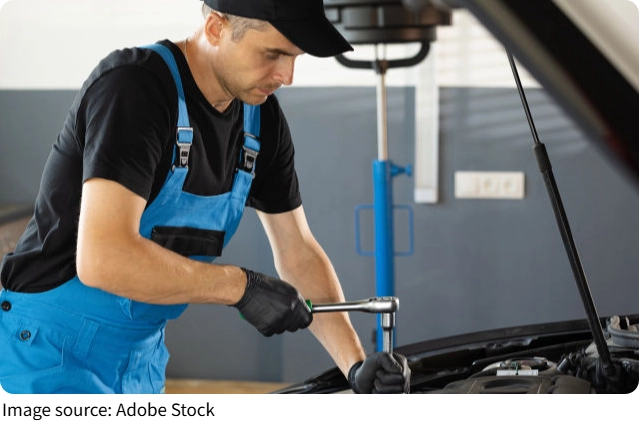
Start with a visual check
One of the easiest ways to inspect brake pad wear is to look through the spokes of your wheel. In many cars, you can see the outer brake pad without removing the wheel. Find the metal rotor, then look for the brake pad pressed alongside it.
The pad should appear as a layer of material between the rotor and the metal backing plate. If that friction material looks less than about 1/4 inch thick, it is a good sign that your brake pads should be inspected more closely by a professional. If you cannot see clearly through the wheel, a repair shop can help with a fuller inspection.
Listen for warning sounds
Your car may also tell you something is wrong before you even look at the brakes. A high-pitched squealing sound can mean the brake pads are wearing down. Many pads are designed with a small metal wear indicator that makes noise when the pad gets too thin.
If you hear grinding, that often means the pads may be severely worn, and the metal backing plate could be contacting the rotor. At that point, it is especially important to get the braking system checked soon, since extra wear can lead to more costly repairs.

Notice how the car feels
Changes in brake feel can also point to pad wear or other brake issues. If the brake pedal feels unusually soft, if the car takes longer to stop, or if braking feels less responsive than usual, do not brush it off. Vibrations when braking can also suggest a problem, though that may involve the rotors as well. These signs do not always mean the pads alone are the issue, but they do mean the braking system needs attention.
Know when to seek help
A home check is helpful, but it does not replace a full inspection. If your brake pads look very thin, if you hear squealing or grinding, or if braking feels different, it is best to have a trained technician inspect the system. They can measure the pad thickness accurately and check related parts like the rotors and calipers. This can help you avoid bigger problems and keep your car stopping the way it should.
Taking a few minutes to check your brake pads can give you peace of mind and help you catch wear before it becomes a serious issue. If anything looks, sounds, or feels off, trust that instinct and get your brakes checked. A little attention now can help keep every drive feeling smoother, safer, and much less stressful.
Popular
Check Brake Pads
A simple guide to spotting brake pad wear early and knowing when it is time to get help
Easy Paint Care
Simple, beginner-friendly ways to keep your car’s paint looking clean, smooth, and protected
Highway Breakdown Guide
Car Breaks Down on a Highway? Stay Calm, Move to Safety, and Follow These Key Steps to Protect Everyone Onboard!
Design & Performance Bliss
Open-Top Sports Cars: Why the Open Road Still Captures Our Hearts