Home Workouts Beat Excuses
Home Workouts Beat ExcusesPosted by Amit Sharma on 10-06-2026

Odd News
Good day, Lykkers! Maintaining an active lifestyle is often associated with outdoor running paths, sports fields, and fitness centers. However, indoor exercise has become an increasingly practical and effective option for people seeking consistent physical activity regardless of weather conditions, air quality, or busy schedules.
A thoughtfully designed indoor workout routine can improve fitness, enhance energy levels, and support long-term well-being without requiring extensive space or expensive equipment. From body-weight training to guided fitness sessions, indoor exercise offers flexibility and convenience while allowing greater control over the workout environment.
Why Indoor Exercise Is Growing in Popularity
One of the greatest advantages of indoor exercise is accessibility. Rainstorms, extreme temperatures, poor outdoor conditions, or limited daylight can interrupt outdoor fitness plans. Indoor workouts eliminate many of these barriers, making regular physical activity easier to maintain throughout the year.
Consistency is one of the most important factors in fitness success. Individuals who can exercise without depending on external conditions are often better positioned to establish sustainable habits. Whether performed in a living room, spare bedroom, or home gym, indoor workouts provide flexibility that fits diverse lifestyles. Additionally, indoor environments offer greater control over temperature, lighting, and available equipment. This predictability allows for a more comfortable and focused exercise experience.
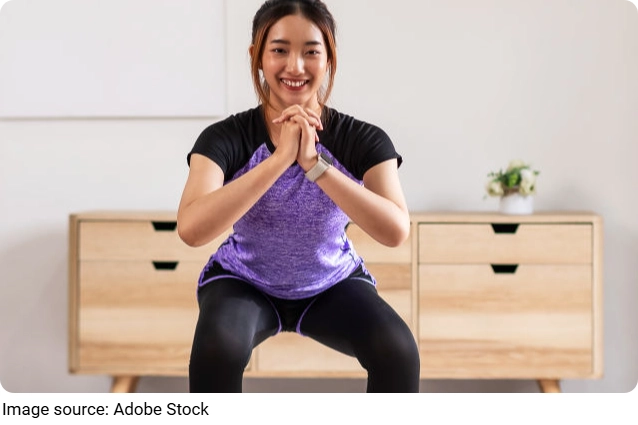
Improved Convenience Leads to Better Adherence
A common challenge in fitness is maintaining long-term commitment. Travel time, crowded facilities, and changing schedules frequently disrupt workout routines. Indoor exercise reduces these obstacles significantly. With exercise equipment or open floor space readily available, starting a session requires minimal preparation.
Even short periods of physical activity can be integrated into daily routines. A 20-minute workout before work, during a lunch break, or in the evening becomes more achievable when transportation is not required. This convenience often translates into greater consistency, which remains one of the strongest predictors of fitness improvement.
Effective Workouts Require Less Space Than Expected
Many people assume effective exercise requires large facilities or specialized machines. In reality, numerous evidence-based exercises can be performed within a small area. Squats, lunges, planks, push-ups, mountain climbers, and mobility drills provide comprehensive physical conditioning while using only body weight. Resistance bands, adjustable dumbbells, or exercise mats can further expand workout options without occupying significant space.
A well-structured indoor routine can simultaneously improve muscular endurance, cardiovascular fitness, flexibility, coordination, and balance. The key factor is exercise selection rather than room size.
Creating a Safe Indoor Exercise Environment
Safety should always be a priority during physical activity. Indoor exercise spaces should be free of obstacles that may interfere with movement. Furniture corners, loose rugs, electrical cords, and clutter can increase the likelihood of accidents. Adequate ventilation is equally important. Fresh airflow helps maintain comfort during exercise and can reduce feelings of fatigue in enclosed spaces. Proper lighting also supports movement accuracy and spatial awareness.
Footwear should match the workout type and surface. Supportive athletic shoes may help improve stability during dynamic movements, while certain flexibility-focused sessions may be performed comfortably on an exercise mat.
The Importance of Warm-Ups and Recovery
One of the most overlooked aspects of indoor training is preparation. Beginning intense activity without a gradual warm-up can negatively affect performance and increase discomfort during exercise. A productive warm-up may include light marching, arm circles, controlled leg swings, and dynamic stretching. These movements gradually elevate body temperature and prepare muscles for greater activity.
Recovery deserves equal attention. Gentle stretching, slow walking, and hydration support the transition from exercise to rest. Recovery practices can help reduce post-workout stiffness and support readiness for future sessions.
Renowned exercise scientist Dr. Kenneth H. Cooper, often called the father of aerobics, has long promoted the idea that regular physical activity works like powerful preventive medicine, helping people stay healthier and live longer.
Strategies for Maintaining Motivation
Even the best exercise program requires motivation to remain effective. Establishing clear goals can provide direction and help track progress over time. Variety also plays an important role. Alternating between strength training, flexibility exercises, cardiovascular workouts, and balance-focused activities can keep routines engaging while supporting comprehensive fitness development.
Music, virtual classes, fitness challenges, and progress journals may further enhance commitment. Small improvements accumulated over weeks and months often lead to meaningful long-term results.
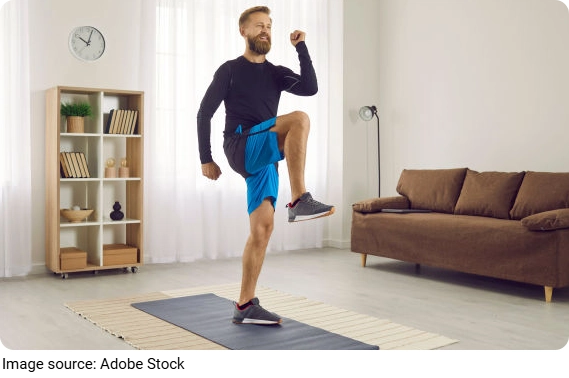
Indoor exercise offers a practical, flexible, and highly effective approach to maintaining physical fitness. Its advantages include convenience, environmental control, improved consistency, and accessibility regardless of weather conditions. When combined with proper safety measures, structured warm-ups, and varied workout routines, indoor training can deliver impressive benefits for overall well-being.
Popular
Home Workouts Beat Excuses
No gym or perfect weather? You can still stay active and make progress!
Child Insurance Matters!
Could one unexpected medical bill change everything? Planning helps!
The Science of Strong Teeth
Understanding enamel health and the daily habits that help preserve strength, comfort, and long-term dental wellness.
Sugar vs Tooth Decay
How does decay develop slowly over time? Small habits can make a big impact!