DIY Jewelry Making Guide
DIY Jewelry Making GuidePosted by Mason O'Donnell on 05-06-2026
On Trend
Plenty of people assume jewelry making requires a studio, expensive equipment, or years of training. In reality, getting started can be much simpler than many beginners expect.
The entry point can be as straightforward as a small workspace, a selection of basic supplies, and the patience to practice a few foundational techniques. What makes handmade jewelry so appealing—the uniqueness, the personal touch, and the fact that no two pieces are exactly alike—is also what makes the creative process rewarding from the very first project.
Pick a Technique and Start There
One of the most effective ways to begin is by focusing on a single technique rather than attempting to learn every aspect of jewelry making at once.
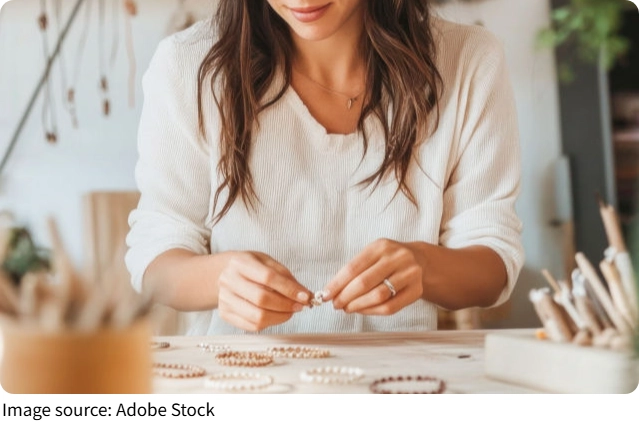
Stringing and beading are among the most beginner-friendly options. These techniques involve arranging beads on a cord or wire to create bracelets, necklaces, and other decorative pieces. The materials are widely available, the required tools are minimal, and the learning curve is relatively gentle.
Wire wrapping is a slightly more advanced technique that involves shaping and securing wire around beads or decorative stones to create rings, earrings, pendants, and other designs. While it requires additional practice, it also offers greater creative flexibility.
Metalsmithing, which includes techniques such as casting, hammering, and soldering metal, generally requires specialized tools and training and is often considered a more advanced area of jewelry making.
For most beginners, stringing, beading, or simple wire-wrapping projects provide an excellent foundation for developing essential skills and confidence.
The Tools You Actually Need
One of the advantages of jewelry making is that many projects can be completed with a relatively small collection of tools.
For basic stringing and beading projects, useful supplies include sharp scissors or thread snips, a bead-stringing needle, a protective work mat to prevent beads from rolling away, and small containers for organizing materials.
If a project includes clasps, jump rings and clasp components may also be required.
A basic set of jewelry pliers—chain-nose, flat-nose, and round-nose pliers—can handle a wide variety of common tasks, including bending wire, opening jump rings, and creating loops.
As skills develop, additional tools such as a bead reamer for adjusting bead holes and a jewelry design board for planning layouts can improve both efficiency and accuracy.
The most practical approach is to purchase tools gradually, focusing on what is needed for current projects rather than investing heavily before discovering personal preferences and interests.
Choosing the Right String Material
Selecting the appropriate stringing material can significantly influence both the appearance and durability of a finished piece.
Cotton cord is a popular starting option because it is strong, natural, and comfortable to wear. It pairs well with larger beads and creates a relaxed, textured appearance suitable for bracelets and necklaces.
Waxed linen cord is smooth, durable, and resistant to fraying, making it particularly suitable for knotting and braiding techniques.
Leather cord offers a more structured look and is often used for designs featuring larger beads or layered bracelet styles.
Waxed polyester thread is highly durable and water-resistant, making it an excellent choice for intricate knotting, braiding, and everyday wear.
Each material offers distinct advantages, and experimenting with different options can help beginners determine which best suits their preferred style and projects.
Easy First Projects to Try
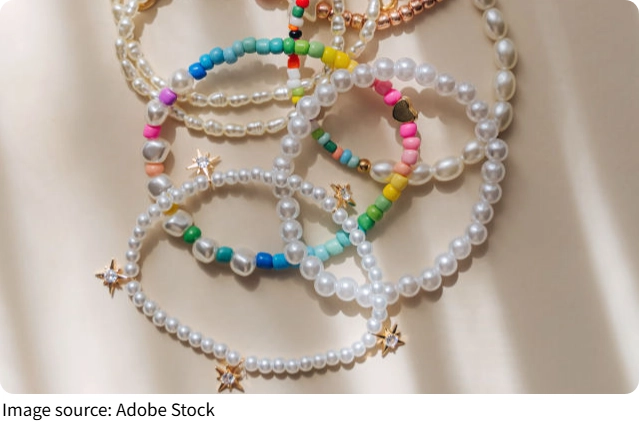
Simple beaded bracelets remain one of the most accessible beginner projects. They require minimal materials and provide an excellent opportunity to practice pattern design, spacing, and finishing techniques.
Beaded necklaces build on the same principles while allowing greater flexibility in length, arrangement, and overall design.
Wire-wrapped rings are another popular introductory project. Even a simple wire-wrapped design can produce a polished result while helping beginners develop wire-handling skills.
Earrings are also ideal for new jewelry makers because they are relatively quick to complete and can be customized using a wide variety of bead shapes, colors, and decorative elements.
Starting with straightforward projects helps build confidence while reinforcing the foundational techniques needed for more complex designs.
Common Mistakes Worth Avoiding
Using household tools instead of jewelry-making tools can make projects more difficult and may affect the quality of the finished piece.
Skipping the planning stage is another common mistake. Arranging beads and components before assembly often helps identify design issues and achieve a more balanced result.
Rushing through knotting, wirework, or clasp installation can compromise durability and increase the likelihood of repairs later.
Similarly, failing to trim excess wire or smooth rough edges can leave a piece looking unfinished and less comfortable to wear.
Careful attention to finishing details is often what distinguishes a polished handmade piece from a project that appears incomplete.
Jewelry making is a creative skill that becomes more rewarding with practice and experience. By beginning with accessible techniques, using appropriate tools, and focusing on manageable projects, beginners can steadily develop both confidence and craftsmanship.
Over time, these foundational skills provide the knowledge needed to explore more advanced methods and create increasingly personalized designs. Whether pursued as a hobby or a long-term creative interest, jewelry making offers a practical and enjoyable way to transform simple materials into unique handmade pieces.
Popular
Jewelry for Every Occasion
Simple styling tips to choose the right jewelry for casual days, professional settings, and special events
Finding Your Perfect Jewelry
Learn how to choose rings and necklaces that complement your personal style, wardrobe, and everyday preferences.
Jewelry Care Essentials
Simple daily habits, storage tips, and cleaning methods to help jewelry stay beautiful for years.
Gemstone Symbolism Guide
Discover the traditional meanings behind popular gemstones and how symbolism can add a more personal connection to jewelry.