Raising Children & Chicken
Raising Children & ChickenPosted by Mukesh Kumar on 10-06-2026
Odd News
Hey Lykkers, have you ever wondered how a simple backyard flock can quietly reshape the way children behave ? Chickens may look like ordinary animals scratching around soil, but for families who raise them, they often become unexpected teachers.
Unlike typical pets, chickens exist in a practical balance of companionship and productivity—they can be cared for as animals, while also producing eggs that become part of daily meals. This dual role makes them especially valuable for children growing up in a world filled with digital distractions.
1. Unplugging Through Daily Animal Care
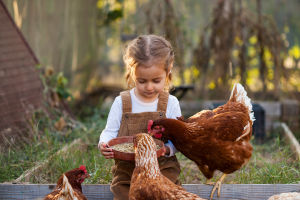
One of the first changes families notice after keeping chickens is a natural reduction in screen time. Chickens require consistent attention every day—feeding, watering, collecting eggs, and checking the coop. These tasks cannot be postponed or ignored. Children who participate in these routines begin to spend more time outdoors without being asked.
Morning care often becomes a shared habit: stepping outside, feeling fresh air, and observing hens moving across the yard in search of food. Instead of starting the day with devices, children start with responsibility. This shift is not forced. It happens because the animals create a rhythm that pulls attention into the physical world. Over time, children begin to associate mornings and evenings with real tasks rather than digital entertainment, and that change often carries into other parts of life.
2. Learning Empathy From Independent Animals
Chickens behave differently from more familiar pets like dogs or cats. They are not naturally obedient or eager to please. A hen may walk away when approached, assert dominance within the flock, or ignore human attention entirely. For children, this becomes an important lesson in acceptance. They quickly learn that chickens have their own instincts and social structure. A frightened hen will avoid contact, while a broody hen may protect her nest aggressively. These behaviors require observation rather than control.
Through this, children begin to understand empathy in a practical way. They learn to adjust their actions based on the animal’s behavior instead of expecting the animal to adapt to them. This builds respect for differences and encourages flexible thinking—skills that later apply to friendships, teamwork, and communication.
What makes chicken care unique is immediate feedback. If water is forgotten on a warm day, hens become visibly restless. If the coop is neglected, odors or pests appear quickly. Children see the consequences of care—or lack of it—in real time, which strengthens accountability far more effectively than abstract instructions.
3. Responsibility Through Simple but Constant Chores
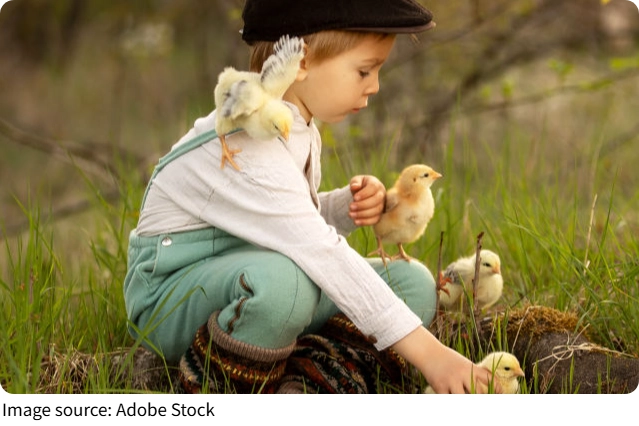
Caring for chickens introduces children to consistent responsibility. The tasks are simple but meaningful: filling feeders, replacing water, collecting eggs, and occasionally cleaning the coop. Each action directly affects the health of the flock. Families often assign age-appropriate roles. Younger children may help scatter feed or gather eggs, while older ones handle heavier cleaning tasks or track supplies. This structure helps children understand that responsibility is shared and ongoing.
4. Understanding Food Through Direct Experience
Collecting eggs each morning fosters a direct connection between animals and food. Children witness where breakfast begins long before it reaches the kitchen, and the variety of shell colors across breeds adds curiosity and excitement to the routine. Cooking becomes part of the learning process: kids often enjoy bringing gathered eggs into the kitchen and learning how to open them safely and use them in simple recipes. This hands-on experience builds confidence and familiarity with food preparation.
Chickens also contribute to reducing food waste. Many kitchen scraps—vegetable peels or leftover grains—can be repurposed as feed. Children begin to understand that food is part of a cycle, not something that simply appears from packaging.
5. Learning About Life Cycles and Emotional Understanding
One of the deeper lessons from raising chickens comes from witnessing natural life cycles. Chickens hatch, grow, produce eggs, age, and eventually pass away. These events are not abstract—they occur within the daily environment of the home. Some families may also experience chick hatching, which allows children to observe development from egg to bird. Others may encounter challenges such as illness or loss due to natural causes. These moments can be emotionally difficult but meaningful.
With guidance, children learn how to process change and loss. They begin to understand that life includes both beginnings and endings, and that care and appreciation matter most in the time shared. This helps build emotional resilience and a grounded perspective on nature.
6. Bonding Through Shared Experience
Beyond lessons and responsibilities, chickens create moments of genuine family connection. Their behavior can be surprisingly entertaining—dust bathing in soil, chasing insects, or gathering in small groups with predictable patterns. These small daily observations often become shared family rituals. Morning feeding or evening coop checks turn into opportunities for conversation and teamwork. Over time, chickens become part of family memory, not just chores.
The experience is not always perfect. It can be messy, unpredictable, and occasionally stressful. But those imperfections are exactly what make it memorable and real.
Raising backyard chickens with children is more than a hobby—it is a living classroom. It teaches consistency through daily care, empathy through observation, responsibility through action, and understanding through real-world experience.
So, if you ever consider bringing chickens into your home, think beyond eggs or routine chores. Think about the quiet lessons happening every day in the yard—the kind that shape how children see responsibility, nature, and life itself. And maybe the next time you hear soft clucking in the morning, you’ll realize a deeper story is unfolding right outside your door, waiting for you and your children to be part of it.
Popular
6 Outdoor Cycling Skills
Master basic off-road techniques for safer, smoother rides on trails and uneven terrain.
L-Shape Sofa Small Room Tips
Practical advice on choosing, placing, and styling an L-shaped sofa in a compact living space without sacrificing comfort or flow.
Balanced Riding Position
Master the fundamentals of posture, balance, and alignment for a safer, more comfortable, and harmonious riding experience.
Weekend Family Joy
How can we turn simple weekends into meaningful family moments that children will truly remember and cherish for years ahead?