Family Time Warp
Family Time WarpPosted by Mukesh Kumar on 29-05-2026

Useful Tips
Around family, people often speak, react, or worry like an earlier version of themselves.
A single comment can turn a calm person into a defensive teenager, while a familiar tone can quickly weaken confidence. This does not mean personal growth has disappeared.
Family relationships carry years of memories, expectations, and emotional patterns. These experiences can pull people back into familiar behaviors without them realizing it. The important point is that once these patterns are recognized, healthier and more intentional responses become possible.
Why the Old Version Returns
Family Remembers Earlier Versions of You
Outside the family environment, most people experience the present version of who you are today. They recognize your current decisions, communication style, and personal growth. Family members, however, often remember earlier stages of your life and may continue responding to old roles formed over many years.
Someone who was once quiet may still be treated as reserved. Someone who often solved problems for others may still be expected to take responsibility for every situation. These expectations can remain even after significant personal change has occurred.
Before attending a family gathering, it can help to identify one old role that commonly reappears and replace it with a healthier perspective. This simple mental preparation encourages stronger self-awareness and emotional balance.
Old Environments Can Trigger Old Reactions
Certain places naturally reactivate emotional memories. Familiar rooms, routines, sounds, and conversations can reconnect the mind to earlier experiences. A dining table may remind someone of past disagreements, while a childhood space may bring back feelings of pressure or insecurity.
The brain naturally relies on patterns and emotional associations. When an environment feels familiar, emotional responses may also become familiar. This does not erase progress. It simply reflects how memory and learned behavior work together.
Creating a small personal anchor can help maintain emotional stability. Taking a short walk before entering, sitting in a different place, or focusing on calm breathing can reinforce a stronger sense of presence and self-control.
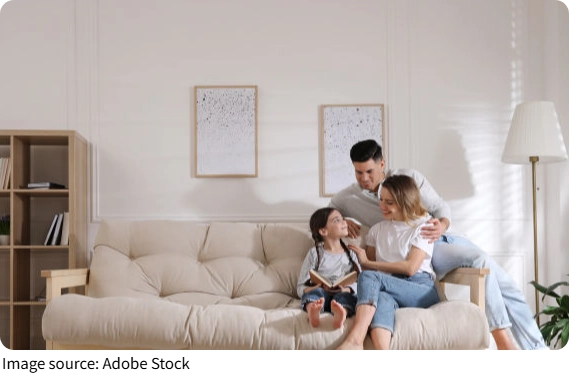
Family Roles Often Operate Automatically
Most families develop emotional roles over time. One person may reduce tension through humor, another may avoid conflict, while someone else may constantly try to keep peace between others. Because these patterns are repeated for years, they often operate automatically.
As noted by Transformations Psychology, “Unhelpful patterns may continue into adulthood without awareness.”
When one person changes their behavior, the family dynamic may temporarily feel uncomfortable. This does not mean the change is wrong. It simply means the established pattern has been interrupted.
Preparing calm and respectful responses in advance can help maintain emotional stability during difficult conversations. Clear communication often reduces unnecessary conflict and emotional exhaustion.
How to Stay Present Without Becoming Distant
Pause Before Reacting
Emotional reactions often appear within the first few seconds of an uncomfortable interaction. A familiar comment may immediately trigger frustration, defensiveness, or tension. Taking a brief pause before responding can interrupt this automatic reaction.
Simple actions such as breathing slowly, taking a sip of water, or briefly looking away can create enough space for a calmer response. Small pauses allow thoughtful communication instead of emotional reflexes.
Use Shorter Responses
Many emotional conflicts become larger because of over-explaining. Long explanations can unintentionally invite criticism, debate, or unwanted advice.
Short and respectful responses often protect emotional energy more effectively. Calm communication can establish healthy boundaries without increasing tension.
Shorter responses also help prevent conversations from returning to unhealthy emotional patterns.
Update the Family Gradually
Family members may not immediately recognize personal growth or changing boundaries. Consistency is usually more effective than dramatic announcements.
Small repeated actions often create stronger long-term change. Calmly expressing preferences, saying no when necessary, and stepping away from emotionally intense situations can slowly reshape expectations over time.
Steady behavior communicates change more effectively than lengthy explanations.
Keep a Sense of Humor
Healthy humor can reduce tension and make difficult moments feel lighter. Gentle humor can create emotional space without turning conversations into arguments.
The most effective humor is natural, respectful, and supportive. It should strengthen connection rather than hide discomfort or avoid important feelings.
Leave With Self-Respect Intact
The goal of family interaction is not to win every disagreement. The more meaningful goal is to leave feeling emotionally grounded and true to yourself.
Some gatherings may still feel uncomfortable, and certain comments may still hurt. Progress does not always mean remaining perfectly calm. Sometimes progress simply means recovering more quickly and responding with greater awareness.
After a family gathering, reflection can be valuable. Thinking about what triggered emotional reactions, what helped maintain balance, and what responses may work better in the future can turn difficult experiences into opportunities for growth.

Returning to old behaviors around family is a common experience because emotional roles, memories, and familiar environments strongly influence human behavior. However, these moments do not erase personal growth. By recognizing old patterns, pausing before reacting, communicating calmly, and maintaining healthy boundaries, people can stay connected to family while remaining grounded in the present version of themselves.
Popular
Building Family Bonds
How Small Everyday Moments Can Strengthen Emotional Connection Within Families
Quiet Wabi Living
How Can Wabi-Sabi Interior Design Create Calm, Natural, and Peaceful Living Spaces?
Nature Builds Curiosity
How everyday nature moments inspire learning and discovery for families
Outdoor Joy & Growth
Why Running and Jumping Outdoors Build Confident, Happy Childhoods