Forest Seed Keepers
Forest Seed KeepersPosted by Caroll Alvarado on 26-05-2026
Wild Animals
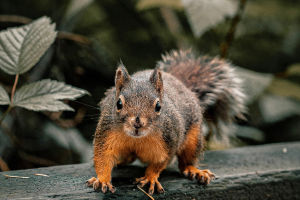
Lykkers, have you ever paused to watch a squirrel leap across branches with ease, as if the forest belongs to it?
These small, lively animals often look like playful residents of green spaces, but their role goes far beyond appearance.
In fact, we can learn a lot from how they live each day. Let’s explore how they quietly support nature’s balance in ways we might not expect.
A Busy Hidden Routine
We often see squirrels moving quickly through trees, gathering food, and exploring their surroundings. Their daily routine may look simple, but it is full of purpose. As the seasons shift, they collect seeds, nuts, and fruits, carefully placing them in many different spots.
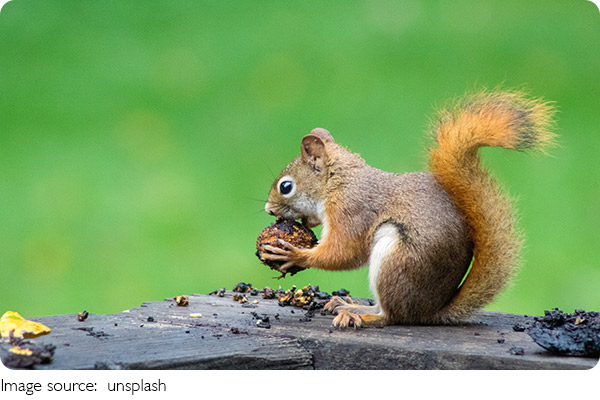
What makes this behavior so important is not just storage. Many of these hidden food spots are forgotten over time. When that happens, the stored seeds remain in the soil and later begin to grow. In this way, new plants appear naturally across the forest floor. We can think of squirrels as silent helpers that encourage new plant life without planning it.
Nature’s Unintentional Planters
As we observe deeper, squirrels play a surprising role in spreading plant life. When they move food from one place to another, they unintentionally carry seeds far from the original trees. These seeds may land in soft soil, under leaves, or near tree roots.
This movement increases plant variety in different areas. Without this process, many plants would stay in limited regions, and the forest would feel less diverse. We can say that every time a squirrel moves a seed, it contributes to a wider green network that keeps ecosystems active and rich.
Small Movers With Big Impact
Beyond storing and transporting food, squirrels also interact with soil while searching for hidden supplies. They dig lightly, turn over ground layers, and explore beneath the surface. This simple action helps air reach deeper soil layers and improves natural soil conditions.
Better soil conditions allow plants to grow more easily. Nutrients become more accessible, and new shoots can take root with less difficulty. Even though this process seems small, repeated actions across many squirrels create meaningful improvement in natural environments.
Helping Maintain Natural Balance
Squirrels also contribute by feeding on various small insects and plant materials. This helps keep the environment balanced, as it reduces the spread of certain species that could otherwise grow too quickly.
At the same time, their movement through trees and ground areas helps distribute natural materials more evenly. Fallen seeds, broken shells, and plant remains are shifted and reused within the ecosystem. This ongoing cycle keeps natural spaces cleaner and more stable.
Why Their Presence Matters
When we step back and look at the bigger picture, squirrels are not just charming forest animals. They are part of a system that supports plant growth, soil health, and ecological variety. If their population decreases significantly, some of these natural processes could become weaker over time.
Healthy squirrel populations help maintain steady renewal in forests. Their activities support both young plant growth and long-term environmental balance. This makes their role more important than it may appear at first glance.
Learning From Everyday Nature
For us, squirrels offer a simple reminder that even small actions can contribute to larger outcomes. Watching them encourages awareness of how interconnected living things are. Every movement, every stored seed, and every interaction with the environment plays a part in shaping natural surroundings.
We can also support this balance in simple ways by respecting green spaces, keeping natural areas clean, and protecting habitats where wildlife lives freely. These actions help ensure that animals like squirrels continue their quiet but meaningful work.
Small Creatures, Lasting Influence
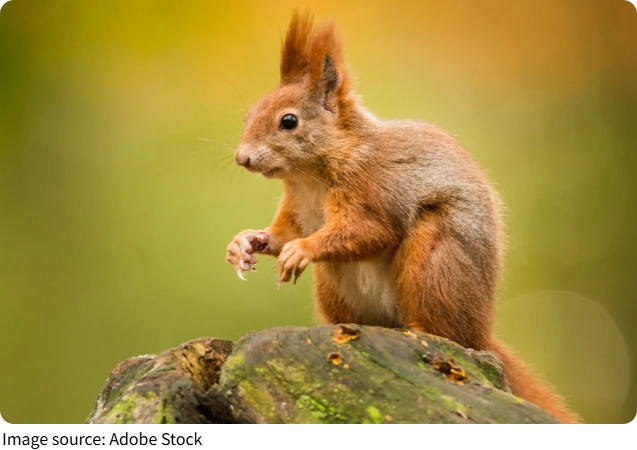
In the end, squirrels show us that importance is not always tied to size. Through food gathering, movement, and interaction with soil, they support forests in multiple ways. We may see them as playful figures in trees, but they are also steady contributors to environmental health.
Lykkers, next time we spot a squirrel jumping from branch to branch, let’s take a moment to appreciate its hidden role. It is a small reminder that nature often works through simple actions that build something much greater over time.
Popular
Forest Seed Keepers
How Do Tiny Squirrels Quietly Shape Entire Forests and Support Nature Without Us Even Noticing?
Calm Rabbit Handling
How Can We Hold a Rabbit So It Stays Calm, Safe, and Comfortable in Our Arms?
Hat Rabbit Magic
How Does a Rabbit Suddenly Appear Inside a Black Hat? The Simple Trick Behind This Classic Magic Moment Explained!
Clownfish Among Anemones
How clownfish survive safely among stinging anemone tentacles and benefit each other