Lights Above Frozen Peaks
Lights Above Frozen PeaksPosted by Arjun Mehta on 22-05-2026
Useful Tips
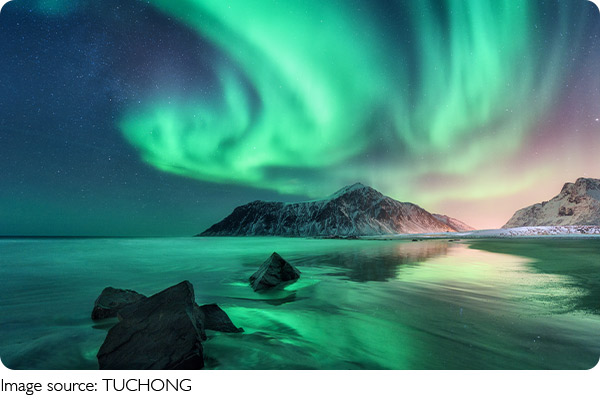
Readers, imagine standing on a snow-dusted beach in the Arctic, jagged mountain peaks silhouetted against a sky that suddenly erupts in ribbons of green, violet, and white light—rippling, folding, and vanishing before appearing somewhere entirely new.
The Lofoten Islands in northern Norway deliver this spectacle with a dramatic backdrop that few places on Earth can match. But these islands are far more than an aurora viewing platform.
Ancient fishing villages cling to rocky shores, hiking trails climb to jaw-dropping summit panoramas, and traditional red wooden cabins offer cozy shelter against the Arctic elements. Lofoten is where raw wilderness meets deep-rooted coastal culture.
Chasing the Aurora
The northern lights season in Lofoten stretches from late August through mid-April, with September, October, and March often delivering the best balance of geomagnetic activity and manageable weather. Unlike locations further inland, Lofoten frequently produces aurora displays at relatively low activity levels—a KP index of just 2 to 3 is often sufficient. The best viewing spots combine minimal light pollution with open northern sky: Uttakleiv Beach (famous for its dramatic rock formations), Haukland Beach, and Skagsanden Beach are top choices. The villages of Reine and Hamnøy, framed by mountains and fjords, offer the most photogenic aurora backdrops imaginable.
Guided aurora tours from local operators cost approximately $140 to $190 per person for group excursions, including transportation and photography guidance. Private tours for dedicated photographers or small groups range from $650 to $750. Warm clothing is essential—temperatures routinely drop below freezing during viewing hours, and tours do not typically provide outerwear.
Fishing Village Charm
Lofoten's identity is built on centuries of fishing tradition, and staying in a rorbu—a traditional wooden fisherman's cabin—is the quintessential island accommodation. These compact, often waterfront cabins feature equipped kitchens, cozy sleeping lofts, and views that luxury hotels struggle to match. Nightly rates range from approximately $150 to $400 depending on season, location, and cabin size, with summer commanding the highest prices. Reine, widely considered one of the world's most beautiful villages, offers rorbuer perched directly above the fjord. Nusfjord, one of the oldest preserved fishing villages, charges a small entry fee (approximately $8 to $12) for visitors exploring its historical grounds. Henningsvær, nicknamed the "Venice of Lofoten," spreads across tiny islands connected by bridges, with a vibrant harbor and unique atmosphere.
Summit Trails
Hiking in Lofoten ranges from accessible coastal walks to demanding summit scrambles. Reinebringen—the most famous trail—climbs steeply via stone steps to a viewpoint overlooking Reine and the surrounding fjords, taking roughly two to three hours round trip. Ryten summit offers a celebrated vantage point above the hidden Kvalvika Beach, with a round trip of four to five hours. Offersøykammen provides a 360-degree panorama with a moderately challenging two-hour climb. Munken delivers views rivaling Reinebringen with significantly fewer hikers. All trails are free to access, though parking at popular trailheads costs 50 to 100 NOK ($5 to $10). Trail conditions vary dramatically with weather—checking forecasts on yr.no before every hike is essential.
Getting There
Most travelers fly from Oslo to ø, then connect via a short domestic flight to Leknes or Svolvær—total travel time approximately four to five hours. Round-trip flights from Oslo to Lofoten range from $200 to $500, with early booking securing the best fares. The ø-to-Moskenes ferry offers a scenic alternative, crossing in approximately three to four hours for roughly $30 to $50 per person plus $70 to $130 for a vehicle. International travelers flying from outside Scandinavia should budget $700 to $1,300 for round-trip flights, depending on origin and timing.
Driving the Islands
A rental car is practically essential for exploring Lofoten, as public transportation is limited and infrequent. Daily rental rates range from $80 to $250 depending on vehicle type and season. The scenic E10 highway connects the archipelago from end to end, crossing bridges and tunnels between islands with breathtaking views at every turn. Fuel costs approximately $2.10 to $2.40 per liter. Winter driving demands caution—snow tires are mandatory, and some roads may temporarily close during storms.
Eating and Saving
Restaurant dining in Lofoten reflects Norwegian prices—main courses typically cost $25 to $45 per person. Cooking in rorbu kitchens using groceries from local supermarkets (Rema 1000, Kiwi) reduces food costs to roughly $15 to $25 per person per day. Fresh fish—cod, salmon, and Arctic char—is available at local markets at prices far below restaurant menus. The Too Good To Go app helps score discounted prepared meals from participating shops and cafés.
Friends, Lofoten is that rare destination where every element conspires to astonish—mountains that erupt from the ocean, lights that dance across the polar sky, and fishing villages that look exactly as they did generations ago. The Arctic does not make visiting easy, but the islands reward every bit of effort with moments so vivid they feel permanently imprinted. When was the last time a place left you genuinely speechless—and could Lofoten be the next one that does?
Popular
Uganda’s Wild Harmony
Rainforests, gorillas, and thundering falls—can one country truly balance raw adventure with calm lakeside pauses?
Zimbabwe: Edge-of-Map Magic
Waterfalls, caves, and vast parks—your price-smart blueprint for an unforgettable Zimbabwe trip.
Bahrain: Pearls & Skylines
Historic lanes, island escapes, and seaside promenades—build a smooth, detail-rich Bahrain itinerary that actually works.
Greek Island
Castles, forests, and hot springs—can one Aegean island pack in ruins, boardwalk life, and volcanic wonder without feeling rushed?