A Bridge Into the Mountain
A Bridge Into the MountainPosted by Sofia Alvarez on 20-05-2026
Useful Tips
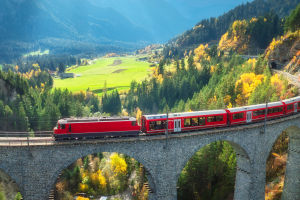
Friends, picture a train emerging from a dark tunnel, crossing a curved stone bridge 65 meters above a forested gorge, and disappearing straight into a sheer rock wall on the other side.
It sounds impossible, yet the Landwasser Viaduct in Switzerland does exactly this—multiple times every single day. This UNESCO World Heritage marvel nestled in the Graubünden Alps is one of the most photographed railway structures on Earth, and experiencing it in person is nothing short of extraordinary.
Engineering Wonder
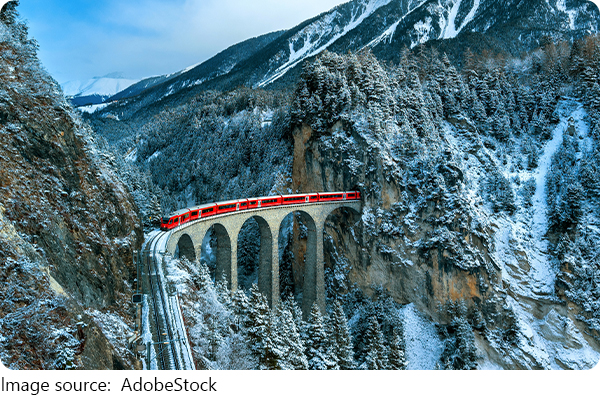
Completed in 1902, the Landwasser Viaduct stretches 142 meters across the Landwasser River valley. Six elegant stone arches carry the single-track Albula railway line in a graceful curve before plunging directly into a tunnel carved into vertical limestone. The structure stands 65 meters tall at its highest pillar, and its curved design adds a dramatic visual sweep that makes every passing train look like it is performing a gravity-defying act. The entire Albula-Bernina railway line earned UNESCO World Heritage status in 2008, recognizing both its engineering brilliance and its harmony with the surrounding alpine landscape.
Reaching Filisur
The small village of Filisur serves as the gateway for visiting the viaduct. Getting there is simple and scenic. The Rhaetian Railway (RhB) connects Filisur to major Swiss cities along the route between Chur and St. Moritz. Travelers on the Glacier Express or Bernina Express pass directly through this stretch, making it easy to break the journey for a few hours of exploration. A standard train ticket from Chur to Filisur costs approximately $25 to $35 one way, though holders of the Swiss Travel Pass ride for free. Those driving can park near the village and access the hiking trails on foot.
Best Viewing Spots
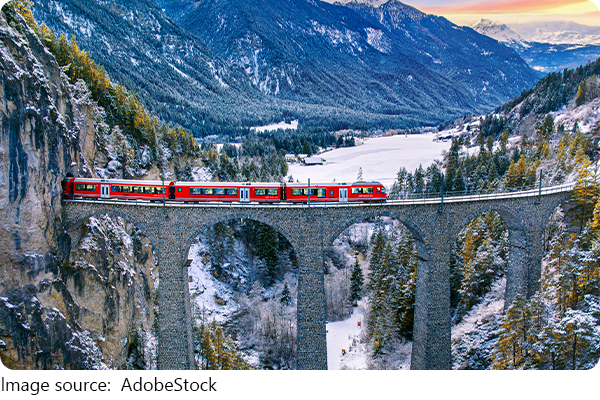
Several platforms offer distinct perspectives of the viaduct, each worth visiting. The Acatos Platform on the east side provides an outstanding front-facing view of the entire bridge and is ideal for morning photography when the light hits the stone arches perfectly. Reaching it requires a pleasant 20-minute walk from Filisur station through wooded trails. The Hennings Platform on the west side looks down from above, offering a dramatic angle as trains curve across the bridge below—afternoon light works beautifully here.
For the most awe-inspiring perspective, descend to the valley floor. A trail from the parking area winds down to the riverbank, where the full height of the viaduct towers overhead. Standing at the foot of those massive pillars, hearing the rumble of an approaching train growing louder and louder, is an experience that photographs simply cannot capture.
Timing the Trains
Trains cross the viaduct roughly every hour in both directions throughout the day. Checking the SBB or RhB timetable in advance and arriving at a chosen viewpoint at least fifteen minutes before a scheduled crossing ensures the perfect moment. The combination of the red Rhaetian Railway carriages against the grey stone arches and green valley creates one of Switzerland's most iconic visual compositions. Patient visitors sometimes wait for two or three crossings, capturing different lighting conditions and train configurations each time.
Bergün
Seasonal Beauty
Each season paints the viaduct in a completely different palette. Spring brings fresh green growth to the valley floor, contrasting sharply with the weathered stone. Summer fills the gorge with dense foliage and warm golden light. Autumn is arguably the most spectacular, when fiery oranges and deep reds transform the surrounding forests into a vivid tapestry. Winter drapes everything in snow, turning the scene into a postcard that seems almost too perfect to be real. The Landwasser Express shuttle, operating during warmer months, ferries visitors from Filisur to the viewing areas for approximately $11 to $16 round trip.
Nearby Discoveries
The village of Bergün, just a short train ride from Filisur, houses the Albula Railway Museum. Interactive exhibits tell the story of how engineers built this extraordinary railway through some of the most challenging terrain in the Alps. The museum is an engaging stop for all ages and deepens appreciation for the viaduct enormously. Further along the line, St. Moritz offers world-class dining, stunning lake views, and additional alpine excursions for those extending their journey.
Practical Advice
Sturdy walking shoes are essential, as the trails to the viewpoints involve uneven terrain and moderate elevation changes. Mountain weather shifts quickly even in summer, so layering clothing and carrying a lightweight waterproof jacket is strongly recommended. Pack snacks and water, as Filisur is a small village with limited dining options—though a few charming local spots serve hearty meals. If riding the train across the viaduct itself, sit on the right-hand side when traveling from Chur toward Filisur, or the left-hand side from St. Moritz, for the best window views during the crossing.
Friends, the Landwasser Viaduct is proof that human ambition and natural beauty can exist in perfect balance. Standing on that valley floor, watching a train glide across stone arches high above, something shifts inside—a sense of wonder that modern life rarely delivers. When was the last time a piece of engineering left you genuinely speechless? If that moment has not happened yet, this curving bridge above a Swiss gorge might just be the place where it finally does.
Popular
Sicily Steals Your Heart
Volcanic peaks, ancient temples, vibrant markets, and golden beaches make Sicily utterly irresistible.
Desert Waves
The Paria Canyon wilderness hides swirling rock formations so surreal they look painted by hand.
Detroit Shines Again
Detroit's revived riverfront, soaring skyline, and cultural treasures prove this city never stopped fighting.
Italian Coast
Manarola's painted houses, coastal trails, and sunset harbor create Cinque Terre's most magical scene.