Zion National Park
Zion National ParkPosted by Ravish Kumar on 15-05-2026
On Trend
The canyon walls rise so fast it almost feels aggressive.
One minute you're driving through the desert scrub of southwestern Utah, and then — suddenly — there's Zion.
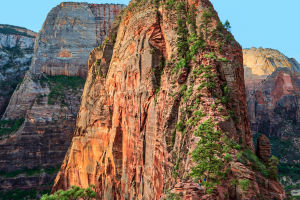
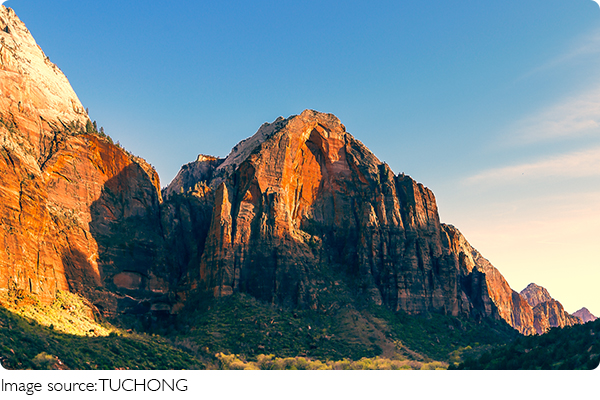
Sheer red and white sandstone cliffs shooting up 600 meters on both sides, the Virgin River threading quietly along the valley floor below.
Created in 1919, Zion National Park covers 593 square kilometers and sits where the Colorado Plateau, the Great Basin, and the Mojave Desert all converge. That crossroads of geography is exactly why the scenery here is so wildly varied — red rock, lush canyon greenery, narrow strips of shadow and light. Over 80 kilometers of trails crisscross the park, and every type of traveler finds something to love.
Getting There
Most people fly into Las Vegas — about two and a half hours from the park via Interstate 15 — or Salt Lake City, roughly four hours away. Both cities have major airports with car rentals. A personal vehicle is the most flexible option, though from early March through late November, private cars are banned from the main Zion Canyon Scenic Drive.
During that period, the National Park Service runs a free shuttle system that links the Visitor Center to all the key trailheads. It runs every 7 to 10 minutes between 7am and 8pm in peak season — genuinely convenient once you get into the rhythm of it. Free parking is available at the Visitor Center, but spots go fast. Aim to arrive before 8am if you want one.
Must-Do Trails
The Zion-Mount Carmel Highway is the place to start — a 25-kilometer scenic drive cutting through some of the most dramatic rock formations in the park, including a tunnel over a mile long. Worth noting: large RVs cannot use the tunnels, so check before you go.
Right off this highway is the Canyon Overlook Trail. Just 1.6 km round trip, about 30 minutes, and it punches way above its weight. A short steep climb leads to an observation platform with sweeping views of the canyon, the Great Arch, Cable Mountain, and Pine Creek Valley below. Go early. Really — go early.
Emerald Pool Trail is another crowd favorite, looping 4.7 km past three separate pools, each fed by its own waterfall. The lower pool is easy and accessible for everyone. The second and third require more effort but reward with increasingly dramatic waterfall views. Start in the morning or late afternoon to dodge the midday rush.
Then there's The Narrows — the slot canyon hike where you walk directly through the Virgin River, sometimes knee-deep, sometimes chest-deep, canyon walls narrowing to just a few meters above you. It's one of the most unique hikes in America. A bottom-up day hike doesn't require a permit. Just come prepared with waterproof shoes or rent water-specific footwear in Springdale.
Angels Landing is the famous one — 5.4 miles gaining nearly 1,500 feet, with chain-assisted climbing near the top. Spectacular views from the summit. Permits required since 2022, and competition for them is fierce, so plan ahead.
Zion National Park
Park Hours & Entry Fees
Zion is open 24 hours a day, 365 days a year. Entry is $35 per vehicle, valid for 7 consecutive days. Motorcycles pay $30. Walk-ins and cyclists pay $20 per person. If you're hitting several national parks in the same year, the America the Beautiful annual pass at $80 is a much smarter deal — it covers all federal recreation areas for 12 months.
Where to Stay
Inside the park, Zion Lodge is the only hotel option and it books out months in advance. Rates start around $200–$280 per night depending on the season. Inside the park, Watchman Campground is the most popular camping option — walk-in sites are especially quiet and scenic — with prices starting around $20 per night. Reservations are essential.
The nearby town of Springdale sits right against the south entrance and offers a solid range of accommodation from budget motels to more comfortable hotels. Expect to pay roughly $150–$300 per night during peak season (May–October), with prices dropping significantly in winter. Springdale also has good restaurants, gear rental shops for trail-specific equipment like dry pants for the Narrows, and easy shuttle access into the park.
Spring (April–May) and fall (September–October) are genuinely the sweet spots for a visit — fewer crowds, pleasant temperatures, and occasional waterfalls still running strong.
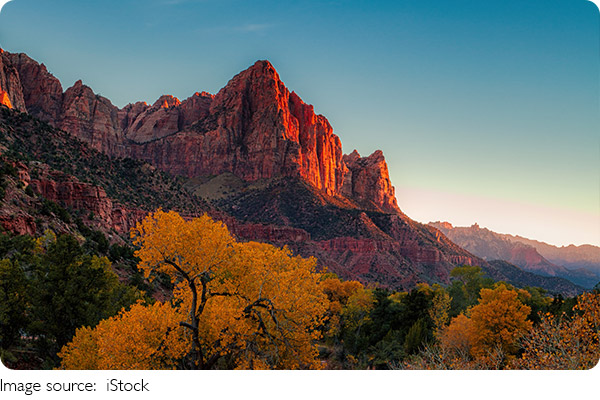
Zion doesn't ease you into its beauty — it hits you all at once, canyon walls rising like a sudden exhale. Whether you're wading through the Virgin River in The Narrows or gripping the chains on Angels Landing, the park demands your full attention and rewards it with every turn. Go early, stay late, and let the red rock swallow your schedule for a few days. By the time you drive back out through that long tunnel into the Utah desert, you'll already be planning your return.
Popular
Safe Yacht Prep
Ready for the sea? Simple yacht preparation steps that keep every journey smooth and stress-free!
Zion National Park
Red walls, hidden pools, and trails that will wreck you in the best way — here's your full Zion playbook
Smokies: America's Free Park
10 million visitors a year, no entrance fee, and wildlife around every bend — the Smokies are exactly as good as everyone says
Mount Cook Hidden Paths
Snow Peaks, Wild Trails, and Lake Views Await in New Zealand