Inside a Flight Feather
Inside a Flight FeatherPosted by Chris Isidore on 12-05-2026
On Trend
Pick up a large feather and bend it gently. It flexes without breaking, snaps back to shape, sheds water, and weighs almost nothing.
Hold it up to light and you can see the interlocking network of tiny structures that keep it all together. What looks like a simple flat sheet is actually a hierarchical structure built from millions of interlocking components, and the engineering behind it is more sophisticated than most people realize.
All feathers are built from beta-keratin — the same tough protein family that makes reptile scales and bird beaks.
Beta-keratin is harder and more resistant than the alpha-keratin in mammal hair, which makes sense given the aerodynamic stresses a feather has to handle. The structure is lightweight but remarkably strong — flight feathers can withstand aerodynamic loads many times the bird's body weight without fluttering apart.
The Architecture: From Shaft to Hooklet
The central shaft of a feather divides into two sections. The hollow base — the calamus — anchors the feather in the skin through a follicle. The solid upper portion, the rachis, tapers to a point at the tip and carries the actual flight surface. Spreading outward from the rachis on both sides are the vanes, which look solid but are actually made up of dozens of parallel branches called barbs running side by side.
Each barb then branches further into barbules, which are even smaller projections extending from both sides of the barb. And here's where it gets genuinely clever: the barbules facing toward the feather tip carry tiny hooks — called hooklets or barbicels — that interlock with the barbules of the adjacent barb. The whole vane is essentially a sheet held together by millions of microscopic hooks, working like a continuous zipper running across the entire feather surface.
This system has a useful property: it can unzip under stress and re-zip when the barbs are pressed back together. Birds do exactly this when they preen, running feathers through their bills to re-engage any displaced hooks. Without regular preening, the vanes would gradually lose their integrity and become aerodynamically useless.
Flight Feathers Specifically
Not all feathers are built for flight. Down feathers are plumulaceous — their barbules lack hooklets, so they don't form structured vanes. Instead they stay fluffy, trapping air for insulation. Contour feathers that cover the body blend both structures, with a pennaceous (structured) outer region and a softer base.
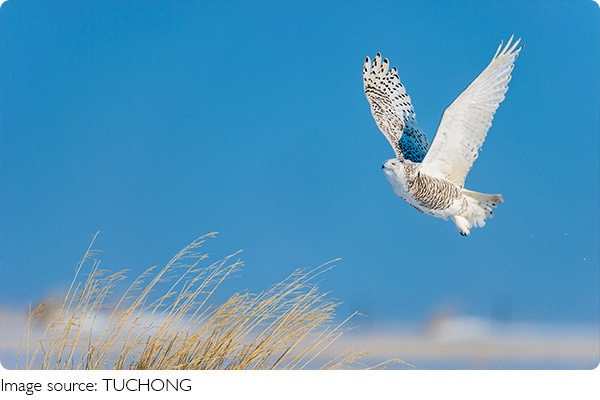
Flight feathers — called remiges on the wings and rectrices on the tail — are the most specialized. They're the largest and stiffest feathers on the bird, almost entirely pennaceous, and built to handle the aerodynamic forces of actual flight. The wing flight feathers attach directly to arm bones through strong ligaments, not just to skin — which gives them the mechanical anchorage needed to transmit forces during wingbeats.
One of the most important structural details in wing flight feathers is their asymmetry. The vane on the leading edge, facing into oncoming airflow, is significantly narrower than the vane on the trailing edge. This asymmetry is what allows the feather to resist the force of rushing air without twisting out of position — a symmetrical feather would rotate and lose its aerodynamic function under the same load.
Tail feathers, by contrast, tend to have symmetrical vanes. They're primarily used for steering and stability rather than generating lift, so the same asymmetric loading resistance isn't required.
Beyond Flight: What Feathers Also Do
The flight function is the most mechanically impressive, but feathers serve several other roles simultaneously. Contour feathers layer over each other like roof shingles, smoothing the bird's outline and reducing aerodynamic drag across the whole body. The microscopic air spaces between barbs also give them water-repellent properties — water beads up and rolls off rather than soaking in. Birds reinforce this with oil from the uropygial gland near the tail, spreading it through their plumage during preening to maintain water resistance and keep the keratin conditioned.
Down feathers, hidden beneath the contour layer, trap warm air close to the body. The tangle of barbules without hooklets creates a matrix where air movement is slowed, holding the heat generated by the bird's body in place. No synthetic insulation has yet matched the warmth-to-weight ratio of quality bird down.
Color and pattern across all feather types serve species recognition and mate attraction — each a separate story, but all built on the same fundamental beta-keratin scaffold, modified by evolution into an extraordinary range of forms.
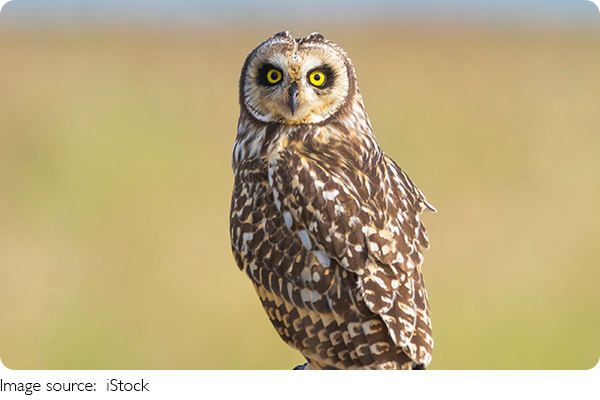
Feathers may look simple at first glance, but they are one of nature’s most refined structural designs. Built from the same protein but shaped into different forms, they combine strength, flexibility, insulation, and aerodynamics in a single system — making flight possible while serving many other essential survival functions.
Popular
Alexandrine Parrot Care
Is Caring for an Alexandrine Parrot Right for You? Key Things to Know Before Bringing One Home
Collie: Big Brain
Smarter than you think? This dog learns fast, thinks ahead, and surprises you!
Dark Tongue Secret!
Nature made it dark? The real reason behind this color may surprise you!
Nature's Art of Hiding
From color-shifting octopuses to seasonal coat changes — animal camouflage is far stranger than you think