Worlds Built In Layers
Worlds Built In LayersPosted by Arjun Mehta on 06-07-2026

Useful Tips
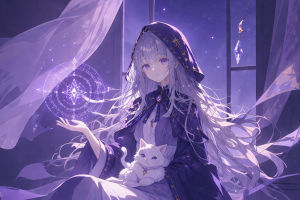
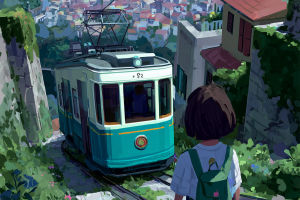
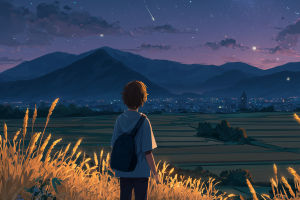
Anime worlds do not appear fully formed when the final frame reaches the screen.
They are built through an artistic chain that begins with sketch thinking and grows through layout, color planning, background design, atmosphere, and digital finishing.
That evolution matters because anime settings are rarely passive scenery. Streets, skies, rooms, forests, and distant cities often carry emotional meaning alongside the characters moving through them. The journey from rough drawing to finished world has changed with technology, but the underlying goal has remained consistent: make a place feel alive enough to hold story.
Early Foundations
Every strong world starts with decisions about shape and space. Early sketches are not only about decoration. They define scale, mood, and movement. A narrow alley creates a different emotional pressure than a wide rooftop. A village clustered on a hill feels different from an isolated station platform. These first structural choices give the world its emotional skeleton. Even in rough form, the setting begins telling the viewer how life inside it might feel.
Layout Thinking
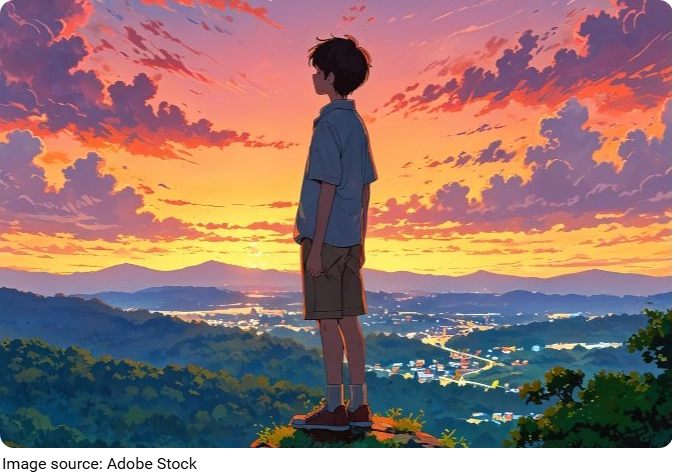
Layouts turn loose ideas into visual order. In anime production, a good layout decides what the audience sees, where the eye travels, and how the scene supports character action. That stage often controls perspective, placement, and the relationship between figure and environment. A world feels convincing when its space is readable. Even fantasy settings need internal clarity. The audience may accept impossible structures, but only if the image still feels visually trustworthy.
Background Craft
Background art has long been one of anime's most important worldbuilding tools. Hand-painted environments, carefully designed interiors, and atmospheric landscapes gave many classic productions their emotional depth. These works often used selective detail rather than uniform realism.
Certain windows, streets, clouds, or signs received special attention because they carried the mood of the scene. The setting becomes memorable when artists know which parts must feel specific and which parts should remain soft.
Color Planning
Color scripts and palette planning helped push anime worlds beyond simple location drawing. A town can feel welcoming at sunset, reflective under rain light, or uneasy under pale industrial tones depending on the chosen palette. This stage shapes emotional continuity across scenes.
Rather than treating each shot independently, artists guide the world through visual mood shifts. A setting starts to feel like a real place when its color changes seem tied to time, atmosphere, and story pressure.
Digital Expansion
Digital tools changed the pipeline, but they did not erase the sketch-based logic underneath it. Paint software, compositing, 3D support, and digital lighting made it easier to refine depth, texture, and environmental effects. Yet many of the strongest anime worlds still depend on hand-drawn judgment about shape, staging, and selective detail.
Technology expanded range. It allowed more layering, cleaner corrections, richer glows, and faster experimentation, but the emotional strength still begins in good drawing.
World Atmosphere
A memorable anime world is not defined only by objects. It also depends on weather, light, silence, and the feeling of air inside the scene. Mist over water, evening glow in a station, dim interiors, or a bright street after rain can make a location feel unforgettable. These atmospheric touches are often what turn a competent background into a place viewers remember years later. The setting stops being scenery and starts becoming emotional experience.
Human Scale
World design becomes stronger when it reflects the people inside it. A messy room tells a different story from a carefully ordered one. A bright shopping street suggests movement and routine, while a quiet field suggests reflection or distance. The best anime worlds are shaped around human use.
Even spectacular fantasy locations feel more convincing when paths, rooms, doorways, and gathering places imply that someone actually lives there. Scale and purpose make beauty believable.
Style Fusion</h3
Contemporary anime environments often blend old and new methods. Hand-drawn sensibility can sit beside digital texture, 3D blocking, layered effects, and color grading. This fusion matters because it preserves warmth while expanding production flexibility. A world can feel painterly and cinematic at the same time.
Viewers may not always identify the technical blend directly, but they feel the result. The place looks richer, more immersive, and more carefully shaped than a flat digital surface alone.
Lasting Worlds
The artistic evolution of anime worlds is ultimately a story about preservation through change. Sketches still matter. Layout still matters. Light, atmosphere, and selective detail still matter. What changed is the range of tools available to refine those ideas and carry them to the screen. Technology can polish the result, but it cannot replace the artistic choices that give a place its identity.
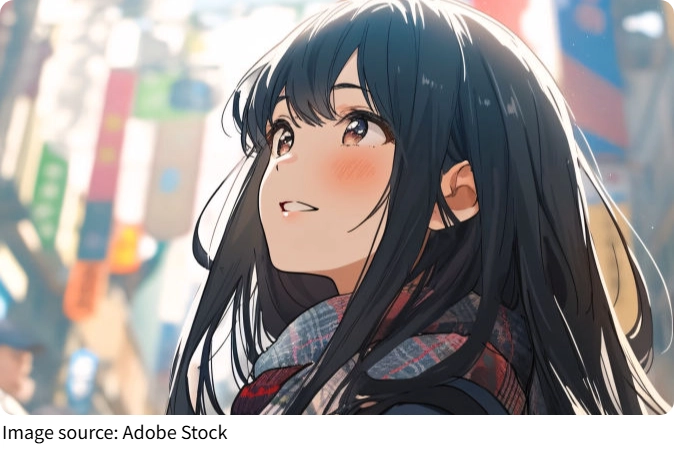
From sketch to screen, anime worlds evolve through structure, layout, background craft, color planning, digital layering, and atmosphere. The process has modernized, yet the heart of it remains tied to strong visual judgment and emotional worldbuilding. That is why great anime settings feel more than decorative. They feel inhabited, purposeful, and shaped by mood.
A finished world succeeds when viewers remember not just what it looked like, but what it felt like to stand inside it. Which part of that evolution interests you most: the sketch stage, the color mood, or the final atmospheric finish?
Popular
A Boy Among Stars
Not Pixar’s strongest hit? Still a warm cosmic journey with heart and emotion!
Shared Quiet Cosmos
Can loneliness fade when we change how we connect with others and the world around us in everyday life?
Bluey Family Magic
Why Are So Many Families Obsessed With Bluey? This Warm Cartoon May Change Family Time Forever!
Worlds Built In Layers
Anime worlds became richer as artists carried hand-drawn thinking into digital-era visual design.