Driving Through History
Driving Through HistoryPosted by Mason O'Donnell on 27-04-2026

Odd News
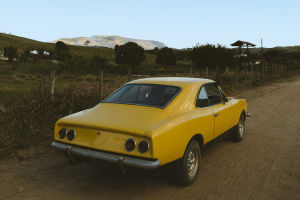
Classic cars continue to attract attention even in a world filled with advanced electric and autonomous vehicles. They represent a time when driving was more mechanical, direct, and deeply connected to the driver.
Many enthusiasts value them not only for their appearance but also for the stories and engineering behind them. This lasting appeal shows that older vehicles still hold a special place in automotive culture.
Mechanical Character That Modern Cars Can’t Fully Replicate
One of the strongest reasons classic cars remain beloved is the raw mechanical connection they offer. Unlike today’s heavily computerized vehicles, older cars rely on direct mechanical systems with minimal electronic interference. Steering feedback, throttle response, and braking feel are unfiltered, creating a driving experience that feels immediate and physical.
Take the Porsche 911 (air-cooled era) for example. Early versions of this model were known for their distinct rear-engine balance and mechanical steering feel. Drivers often describe it as a car that “talks back,” requiring skill and attention rather than automation support. This level of engagement is rare in modern vehicles, where stability systems and electronic assistance smooth out imperfections.
Design That Reflects an Era of Artistic Engineering
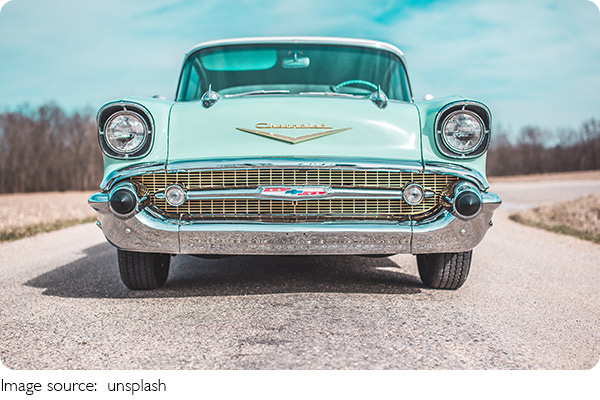
Classic cars were often shaped by designers who treated vehicles as moving sculpture rather than purely functional objects. Before wind tunnel optimization and computer modeling dominated the industry, aesthetics played a more expressive role in automotive design.
The Jaguar E-Type is frequently cited as one of the most beautiful cars ever built. Its long hood, flowing curves, and balanced proportions were not dictated by digital efficiency tools but by human creativity and proportion. Even today, it is displayed in museums and design exhibitions as an example of automotive artistry.
Unlike many modern vehicles that tend to converge toward similar aerodynamic shapes, classic cars often carry bold identities that immediately reveal their era of origin. Each model feels like a snapshot of cultural design philosophy.
Simpler Mechanics, Deeper Emotional Bond
Another reason classic cars remain desirable is the simplicity of their mechanical systems. Engines, transmissions, and suspension setups were more accessible, allowing owners to understand and even repair their vehicles without advanced diagnostic tools.
The Ford Mustang (first generation) is a strong example of this accessibility.
Its straightforward V8 engine layout and mechanical structure made it popular among drivers who enjoyed working on their own cars. This hands-on relationship created a sense of ownership that goes beyond transportation. Modern vehicles, by contrast, often require specialized software and equipment for even basic repairs. While they are more efficient and safer, they reduce the sense of personal connection between driver and machine.
Cultural Identity and Historical Value
Classic cars embody cultural significance that goes well beyond their engineering. They evoke distinct historical eras—like mid-century industrial growth or the surge in motorsport enthusiasm. Owning or restoring one often means safeguarding a tangible slice of the past.
The Mercedes-Benz 300 SL, for instance, reflects a period when automotive engineering was beginning to merge performance with luxury. Its gullwing doors and advanced engineering for its time made it a symbol of innovation in the 1950s. Collectors are not only buying a vehicle but also preserving a narrative. Each restoration project becomes a form of historical reconstruction, keeping automotive heritage alive for future generations.
Driving Experience That Slows Time
Modern driving is often optimized for efficiency, safety, and convenience. Classic cars, however, offer something different: a slower, more deliberate experience. Without constant digital alerts or automated interventions, drivers become more aware of the road, the sound of the engine, and the rhythm of movement.
This sensory engagement is part of what makes classic cars emotionally rewarding. Even a short drive becomes memorable because it demands attention and presence. Many enthusiasts describe it as a form of escape from modern digital overload.
Community, Restoration, and Shared Passion
Classic car culture thrives not only because of the vehicles themselves but also because of the communities built around them. Restoration workshops, vintage car shows, and enthusiast clubs create spaces where knowledge is shared and preserved.
Restoring a car such as the Chevrolet Corvette C2 can take years, requiring sourcing original parts, rebuilding engines, and carefully preserving authenticity. This process is often collaborative, connecting mechanics, collectors, and historians.
Despite rapid technological advancement, classic cars continue to stand apart because they offer something modern vehicles often cannot fully replicate: emotional depth. They combine mechanical honesty, artistic design, and historical significance into a single experience.
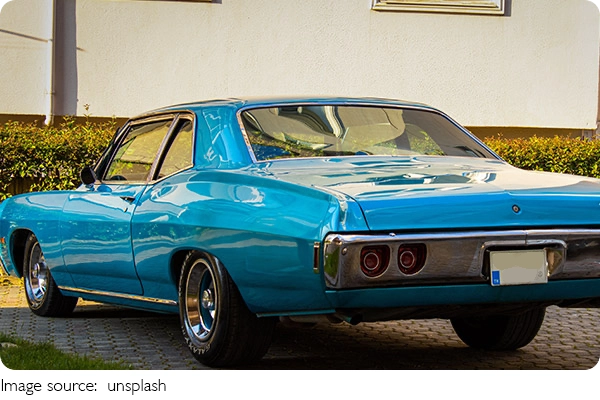
They remind us that driving was once as much about feeling as it was about function. And in a world moving quickly toward automation, that reminder becomes even more valuable. The fascination with classic cars is not about resisting progress—it is about preserving identity, emotion, and craftsmanship in a form that still moves on four wheels, waiting for the next person willing to truly listen to what it has to say.
Popular
Timing Belt Danger
Miss this service window, and a quiet drive can become a costly surprise
New Riders: Boost Skills
A Step-by-Step Guide to Gain Confidence, Handle Your Bike Safely, and Enjoy Every Ride
Ground Clearance
Why SUV ride height matters more than most drivers realize on real roads
Choose Your Mobile Home
Best campervan choices for freedom, comfort, and off-grid road travel