Hair Repair: Molecular?
Hair Repair: Molecular?Posted by Nolan O'Connor on 24-04-2026
Odd News
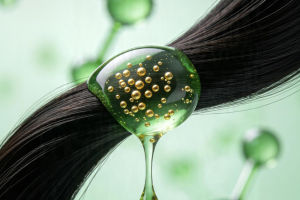
Hair damage is often perceived as a surface-level concern, yet the true extent of deterioration occurs deep within the fiber’s molecular structure. Environmental exposure, chemical processing, and mechanical stress disrupt the integrity of hair, weakening its internal bonds and protective layers.
Modern cosmetic science has shifted toward repairing damage at this microscopic level, focusing not only on temporary improvement but also on restoring structural stability. Understanding how these advanced treatments work provides valuable insight into maintaining stronger, more resilient hair.
Hair Structure at the Molecular Scale
Hair is primarily composed of keratin, a fibrous protein arranged in complex chains stabilized by various chemical bonds. These include disulfide bonds, hydrogen bonds, and ionic interactions, all of which contribute to strength, elasticity, and shape retention. The outermost layer, known as the cuticle, acts as a protective shield.
When intact, it reflects light and maintains smoothness. Beneath it lies the cortex, where pigment and structural proteins reside. Damage typically begins when the cuticle becomes compromised, allowing external factors to disrupt the internal protein network.
At the molecular level, repeated exposure to heat styling, chemical treatments such as bleaching, and ultraviolet radiation breaks these bonds. This results in weakened fibers, increased porosity, and loss of cohesion within the protein matrix.
The Role of Bond-Building Technology
Recent innovations in hair care have introduced bond-building treatments designed to repair internal damage. These products target broken disulfide bonds, which are crucial for maintaining hair strength and shape. Bond builders contain specialized molecules capable of reconnecting sulfur atoms within keratin chains.
By restoring these links, the internal structure regains stability, reducing breakage and improving resilience. Unlike traditional conditioners that mainly coat the surface, bond-building formulations into the fiber. This approach represents a significant advancement because it addresses the root cause of damage rather than masking its appearance. Over time, consistent use can noticeably improve hair integrity and reduce vulnerability to further stress.
Protein Reinforcement and Peptide Technology
Protein loss is a key factor in weakened hair. Molecular repair strategies often incorporate hydrolyzed proteins and peptides, which are small enough to the hair shaft. These fragments temporarily fill gaps within the damaged structure, enhancing strength and elasticity.
Peptides also play a signaling role, supporting the reinforcement of keratin networks. By binding to weakened areas, they create a scaffolding effect that stabilizes the fiber. This contributes to improved texture and reduced fragility. However, balance is essential. Excessive protein application can lead to stiffness, making hair more prone to snapping under tension. Effective formulations carefully combine protein components with moisturizing agents to maintain flexibility.
Lipid Restoration and Cuticle Sealing
Healthy hair contains natural lipids that contribute to smoothness and moisture retention. Damage often strips away these essential components, leaving the cuticle raised and vulnerable. Advanced treatments now include lipid-replenishing ingredients such as ceramides and fatty acids. These molecules integrate into the cuticle layer, helping to restore its protective barrier. By sealing gaps between cuticle cells, they reduce moisture loss and improve surface smoothness.
This process not only enhances appearance but also protects the internal structure from further environmental damage. A well-sealed cuticle acts as the first line of defense, preserving the results of deeper molecular repair.
The Impact of pH and Chemical Balance
Hair health is closely linked to pH balance. The natural pH of hair is slightly acidic, which helps keep the cuticle compact and smooth. Alkaline substances, commonly found in chemical treatments, cause the cuticle to swell and open, increasing susceptibility to damage.
Molecular repair systems often include pH-balancing components that help restore optimal acidity.
This encourages the cuticle to close, locking in beneficial ingredients and reinforcing structural integrity. Maintaining proper pH is a critical yet often overlooked aspect of hair repair. Without it, even the most advanced treatments may fail to deliver lasting results.
Heat Protection at the Molecular Level
Thermal styling tools can cause significant molecular disruption by breaking hydrogen bonds and dehydrating the hair fiber. Modern heat protectants are designed to form a thin, protective film that distributes heat more evenly. Some formulations incorporate polymers that absorb and dissipate thermal energy, reducing direct stress on keratin structures. Others include antioxidants that combat free radical damage generated by high temperatures.
Integrating Molecular Repair into Routine Care
Achieving meaningful repair requires consistency and a combination of approaches. Cleansing products with mild surfactants help prevent further cuticle disruption, while targeted treatments deliver active ingredients into the fiber. Periodic use of bond-building systems, combined with protein and lipid restoration, creates a comprehensive repair cycle. Limiting exposure to harsh chemicals and excessive heat further supports recovery.
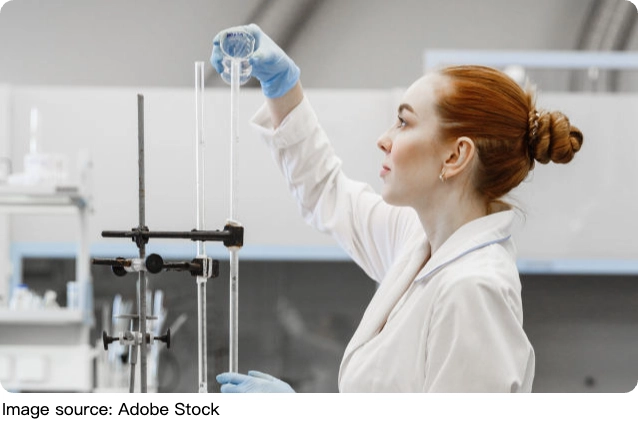
Geng et al. explain that hair damage is fundamentally a molecular issue involving the collapse of keratin structures and the breaking of disulfide, ionic, and hydrogen bonds. Their research highlights that modern corrective treatments are shifting toward the use of active ingredients specifically designed to restore these internal chemical connections.
Repairing damaged hair at the molecular level involves far more than surface conditioning. By targeting the internal protein structure, restoring essential lipids, and maintaining chemical balance, modern treatments address the fundamental causes of deterioration. Technologies such as bond builders and peptide-based systems provide deeper, longer-lasting improvements, while heat protection and pH control help preserve these results.
Popular
Invest All at Once?
The Investing Strategy Debate That Every New Investor Gets Wrong
Avian Flu Control Plan!
How can stronger measures limit avian flu spread? Public health steps aim to reduce risks!
Hair Repair: Molecular?
Can hair be repaired from within? New care works at a deeper level for smoother strands!
Top Screening You Need!
Can screenings catch health issues early? Key methods help you stay aware and prepared!