Performance Meets Style
Performance Meets StylePosted by Chris Isidore on 16-04-2026
Funny Facts
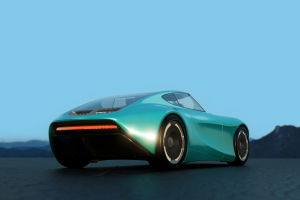
The moment you spot a high-performance car on the road, it's hard not to stare. Its sleek curves promise speed, yet the design seems effortless, almost sculpted.
Behind that striking appearance lies a careful balancing act: extracting maximum power while keeping aesthetics captivating. Achieving this harmony is as much an art as it is engineering.
Powertrain and Engine Layout
At the heart of every high-performance car is the engine. Designers and engineers must balance horsepower, torque, and weight distribution without compromising the car's silhouette or proportions.
Key considerations:
- Choose engine placement that enhances handling—mid-engine layouts improve balance, front-engine setups favor stability.
- Optimize cooling systems discreetly to prevent bulky vents from spoiling the car's sleek look.
- Fine-tune the engine's sound profile to enhance driving experience without overwhelming comfort.
For example, a sports car manufacturer integrated twin radiators in compact housing, keeping the front fascia clean while ensuring the engine remains cool during high-speed runs.
Aerodynamics and Body Design
Aerodynamics plays a dual role: improving speed and reducing drag, while also shaping the vehicle's visual appeal. Every curve, vent, and spoiler serves a functional purpose.
Design tips:
- Use subtle curves to channel airflow efficiently without creating visual clutter.
- Integrate active aerodynamic elements like retractable spoilers for dynamic performance.
- Balance downforce and drag so that the car handles well while maintaining sleek proportions.
An example is a luxury supercar with adaptive flaps that deploy only at high speeds, keeping the car elegant at low speeds yet performance-ready on the track.
Material Choices and Weight Management
High-performance cars rely on materials that offer strength without unnecessary weight, which also affects the car's styling options.
Materials strategy:
- Use carbon fiber or aluminum panels to reduce weight while allowing sculpted, intricate designs.
- Incorporate high-strength composites in structural areas to maintain safety standards.
- Apply lightweight finishing touches like titanium accents or forged wheels for both aesthetics and performance.
A sports coupe might feature a carbon fiber roof and doors, lowering the center of gravity and giving designers freedom to create dramatic, flowing lines.
Interior Design and Driver Experience
While exterior aesthetics grab attention, interior design ensures the driver feels connected to the car. Controls, seating, and displays must support performance driving without cluttering the cabin.
Practical considerations:
- Position seats and steering for optimal ergonomics during high-speed maneuvers.
- Integrate digital displays that provide performance data without distracting the driver.
- Use premium materials that reflect the car's exterior style while staying lightweight.
One manufacturer designed a minimalistic cabin with a digital cluster that shows torque distribution, speed, and gear selection, keeping the driver informed while maintaining a clean, modern look.
Color, Finishes, and Visual Identity
Finally, the choice of color and finish can enhance or diminish the perception of speed and elegance. Designers use shades, textures, and reflections to emphasize form and motion.
Tips for impact:
- Highlight curves with metallic or pearlescent paints that react to light.
- Use contrasting trim in strategic locations like side skirts or mirrors for visual tension.
- Coordinate wheel finishes with the body color to maintain fluidity and style.

Interior Design and Driver Experience
While exterior aesthetics grab attention, interior design ensures the driver feels connected to the car. Controls, seating, and displays must support performance driving without cluttering the cabin.
Practical considerations:
- Position seats and steering for optimal ergonomics during high-speed maneuvers.
- Integrate digital displays that provide performance data without distracting the driver.
- Use premium materials that reflect the car's exterior style while staying lightweight.
One manufacturer designed a minimalistic cabin with a digital cluster that shows torque distribution, speed, and gear selection, keeping the driver informed while maintaining a clean, modern look.
Color, Finishes, and Visual Identity
Finally, the choice of color and finish can enhance or diminish the perception of speed and elegance. Designers use shades, textures, and reflections to emphasize form and motion.
Tips for impact:
- Highlight curves with metallic or pearlescent paints that react to light.
- Use contrasting trim in strategic locations like side skirts or mirrors for visual tension.
- Coordinate wheel finishes with the body color to maintain fluidity and style.
A high-end car might use a deep metallic blue paired with matte black accents, accentuating aerodynamic lines while projecting sophistication.
Creating a high-performance car isn't just about raw power—it's about crafting a cohesive experience where engine capability, aerodynamics, materials, and design converge. When designers balance these elements effectively, the result is a vehicle that performs brilliantly on the road while turning heads everywhere it goes. Every curve, every detail, tells the story of speed harmonized with beauty.
Popular
Performance Meets Style
How Designers Balance Power and Stunning Looks in High-End Cars
Stop Overpaying for Cars
Keep Your Money! The Ultimate Guide to Avoiding Expensive Service Center Scams!
Ride Safe: Smart Habits
Learn the essential riding habits that reduce risk, improve control, and keep you safe on every journey
Motorcycle Care Secrets
Are You Damaging Your Motorcycle Without Knowing It? Simple Daily Habits for a Safer, Smoother, and Longer-Lasting Ride