Secret Life of Badgers
Secret Life of BadgersPosted by Amit Sharma on 15-04-2026
Wild Animals
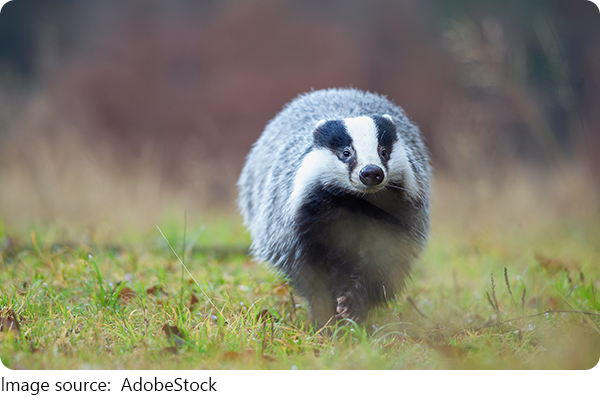
Hello Lykkers, today we step into a quiet yet fascinating world beneath the forest floor. It is a place where small creatures live with great intelligence and courage.
We are going to explore the secret life of badgers, animals that many people rarely see but often underestimate. By the end of this journey, we may see the forest in a completely new way, as a living system full of hidden engineers and guardians.
A Family of Different Badgers
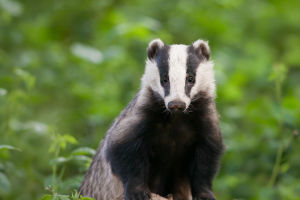
Badgers are not just one single type of animal. We find several species across the world, each with unique traits and habits. Among them, the European badger is one of the most well-known species, larger in size and strongly associated with forest ecosystems in its region. It can grow quite solid in body and moves with steady confidence.
On the other side, the American badger is more compact and powerful in appearance. It has a lower, stronger body and is built for digging and quick movement. While both belong to the same broader animal family, their lifestyles show clear differences shaped by environment and survival needs.
In colder regions, badgers may slow down their activity during winter (a state known as torpor, not true hibernation). After this time, they can regain energy quickly once food becomes available again. This natural rhythm helps them survive changing seasons without relying on constant movement.
Masters of Underground Construction
One of the most impressive abilities of badgers is their skill in building underground homes. These homes are not simple holes, but complex tunnel systems with multiple levels, chambers, and escape routes. Some of these systems are so large that they can be used for generations.
We can imagine these underground spaces like natural apartments, carefully designed for safety, rest, and storage. Badgers use strong claws and compact bodies to dig through soil efficiently. Over time, they create stable structures that also benefit other small forest creatures indirectly by shaping the soil environment.
Cleanliness is also important in their homes. Badgers often organize their living space by removing old materials and keeping sleeping areas tidy. This behavior helps maintain a healthy underground environment.
What Badgers Eat and How They Live
Badgers are not picky eaters. They consume a wide variety of food sources found in nature. Their diet may include earthworms, small amphibians, reptiles, insects, and other tiny forest animals. They also occasionally consume plant-based items depending on availability.
Some species are more active hunters, while others focus on easily found food. They often bring food back to their underground homes, which reduces the need for long and risky travel.
This flexible eating habit helps them survive in many environments. It also plays an important role in controlling populations of smaller animals, keeping the forest ecosystem balanced.
Defense and Survival Skills
Badgers may look calm, but they are highly capable of defending themselves. Their skin is thick and resistant, making it difficult for many predators to cause harm. When threatened, they rely on quick movement, strong digging ability, and confident defensive behavior.
Instead of running long distances, they often use their underground tunnel systems to escape danger. These hidden exits allow them to disappear quickly and safely.
The American badger is especially known for its strong defensive attitude. It does not easily back away and can stand firm when facing threats. Its powerful limbs and determined behavior make it a highly resilient animal in the wild.
Life Around Water
Badgers are also surprisingly comfortable near water. Many of their homes are built close to rivers or streams. Water provides both food opportunities and a natural escape route.
They are capable swimmers and can move through water with ease when needed. Their bodies are adapted to keep movement stable, and they can hold their breath for short periods underwater. This ability helps them avoid danger and explore new areas when necessary.
Water also adds variety to their diet, as many small aquatic creatures become part of their food sources.
Natural Enemies and Forest Balance
In the wild, badgers may face threats from larger predators. However, encounters are not extremely common due to their hidden lifestyle and underground protection system. When danger appears, they rely on speed, shelter, and strong defensive instincts.
Large predators such as bears in some regions may occasionally interact with badgers, but such events are rare. Most of the time, badgers avoid direct confrontation and focus on survival through smart behavior rather than force.
Role in the Ecosystem and Human Connection
Badgers play an important role in maintaining ecological balance. By feeding on small animals and organic remains, they help control populations and support natural cleanup processes in the forest.
They also improve soil quality through their digging activities, which allows air and water to circulate better underground. This makes them valuable contributors to the environment.
Unfortunately, human activity sometimes brings risks to their survival. In some areas, they are disturbed or hunted, even though they provide clear ecological benefits. Protecting their habitats is essential for keeping forest systems healthy.
Family Life and Learning
Badgers are dedicated parents. They raise their young carefully and teach them important survival skills such as digging, finding food, and avoiding danger. The young gradually learn how to live independently after spending time in the family group.
This early training period is important for their survival in the wild. It ensures that new generations can continue the same underground lifestyle and contribute to the ecosystem.
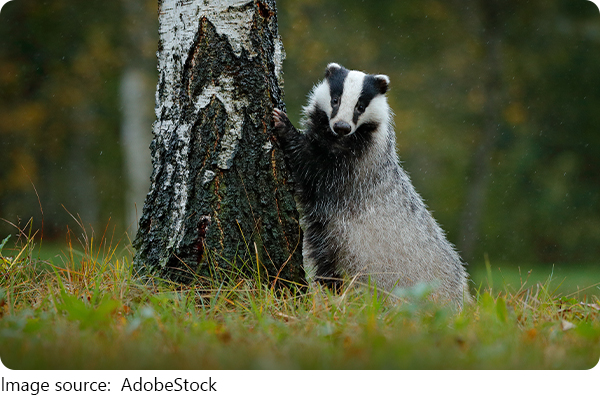
A Hidden World Beneath Our Feet
As we explore the hidden life of badgers, we realize how much complexity exists beneath our feet. These animals are not just survivors, but builders, protectors, and quiet engineers of the forest world.
Thank you for joining us on this journey, Lykkers. Next time we walk through a forest, we might imagine the unseen world below, where clever creatures continue their silent work every day.
Popular
Pelican Water Life
How Pelicans Turn Fishing Into a Wild and Unexpected Water Show That Keeps Us Watching Every Single Moment!
Wild Goose Origins
Discover the Remarkable Survival, Loyalty, and Intelligence Behind the Wild Ancestor of Domestic Geese
Cat’s Body Language
Understand the hidden meanings behind tail flicks, pupil changes, and whisker movements!
Fun Facts About Canada Geese
Discover the Surprising Truths Behind These Iconic Birds!