Olive Oil Secrets
Olive Oil SecretsPosted by Nolan O'Connor on 15-04-2026
On Trend
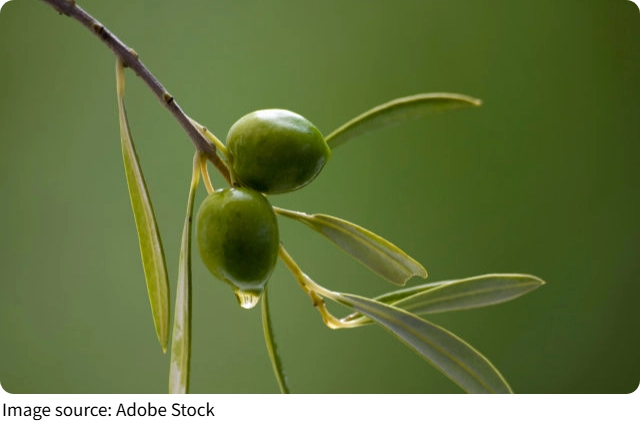
The first time you drizzle olive oil over warm bread, the aroma feels simple—almost too familiar to question. Yet behind that smooth texture lies a story shaped by climate, craftsmanship, and centuries of refinement.
Olive oil is not just an ingredient; it's a quiet witness to human habits, carrying layers of science and culture in every drop.
From Fruit to Liquid Gold
Olive oil is one of the few cooking ingredients extracted directly from fruit without chemical alteration. Fresh olives are crushed, pressed, and separated purely through mechanical means. This simplicity is what defines high-quality extra premium olive oil.
What many don't realize is how sensitive this process is. Timing matters. Olives picked too early yield less oil but stronger flavor; picked too late, the taste becomes dull. Temperature control during pressing also affects aroma and nutrient retention. Even slight variations can dramatically shift the final product.
Flavor Is a Language
Not all olive oils taste the same. In fact, professionals evaluate olive oil much like fine beverages or coffee. The flavor profile depends on olive variety, soil conditions, and processing methods.
You might notice:
1. Fruity notes – reminiscent of green apples or fresh herbs
2. Peppery finish – a slight throat-tingling sensation
3. Bitterness – often a sign of high antioxidant content
That peppery kick you feel is actually linked to natural compounds that contribute to stability and shelf life. What seems like a sharp edge is often a marker of quality.
Color Can Be Misleading
Many assume that deeper green olive oil is better. Surprisingly, color alone tells you very little. Shades range from golden yellow to vibrant green depending on chlorophyll and carotenoid levels.
Professional tasters even use colored glasses during evaluation to avoid bias. The real indicators of quality are aroma, balance, and freshness—not appearance.
Storage Shapes the Story
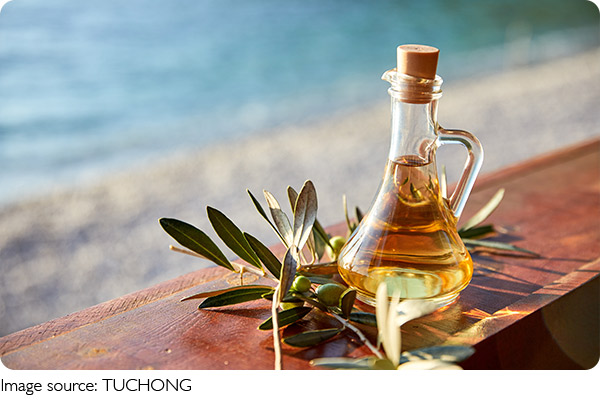
Olive oil is highly sensitive to its environment. Exposure to light, heat, and air gradually degrades its structure and flavor.
To maintain quality:
1. Store in a cool, dark place
2. Use tightly sealed containers
3. Avoid keeping it near heat sources like stoves
Unlike some pantry staples, olive oil does not improve with time. Freshness is essential, and using it within a few months of opening preserves its best qualities.
More Than Just Cooking
Beyond the kitchen, olive oil has long been used for various practical purposes. Historically, it served as a source of light in lamps and as a base for skincare routines.
Today, its versatility continues:
1. As a natural moisturizer for dry surfaces
2. For polishing wood and maintaining furniture
3. As a gentle ingredient in homemade care products
Its stability and smooth texture make it adaptable far beyond food preparation.
A Reflection in Every Drop
Olive oil teaches a subtle lesson: simplicity often hides complexity. What appears to be a basic ingredient is actually the result of careful timing, environmental influence, and skilled handling.
The next time you pour a small stream over a dish, it may feel routine—but it represents a chain of decisions stretching from orchard to table. Paying attention to these details doesn't complicate the experience; it deepens it, turning an everyday habit into something quietly remarkable.
Popular
Yogurt Bowl Magic
Ready in 5 Minutes! 4 Easy Yogurt Granola Bowls We Can Customize for a Fresh, Healthy Start Every Day!
Orange Cheese Cake
Can we really make a silky no-bake Orange Cheesecake that melts in your mouth with just simple steps and no oven at all?
Fluffy Homemade Cupcakes
The Ultimate Recipe for Soft, Moist Cupcakes That Wow!
Zesty Lemon Orange Cupcakes
A Tangy Twist for Your Sweet Tooth: Lemon and Orange Cupcakes Recipe