Paris Eiffel Tower Guide
Paris Eiffel Tower GuidePosted by Pankaj Singh on 15-04-2026
On Trend
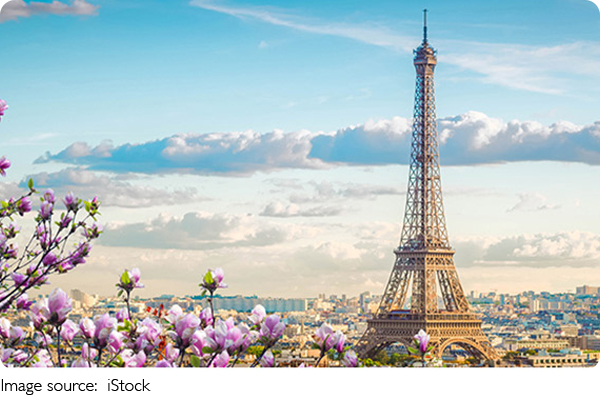
Everyone has seen the Eiffel Tower in photographs so many times that arriving in front of it in person feels almost surreal — like stepping into a postcard you've been looking at your whole life.
And yet, despite being one of the most visited landmarks on Earth, most first-time visitors make the same handful of avoidable mistakes. This guide fixes that.
Getting There
The Eiffel Tower sits in the 7th arrondissement on the Left Bank of the Seine, and Paris makes it genuinely easy to reach by public transport.
1. Metro: Line 6 to Bir-Hakeim station is the most scenic approach — the elevated track delivers a dramatic view of the tower as you arrive. Line 9 to Trocadéro is equally popular and places you on the elevated esplanade directly across the river, which offers the classic full-tower panoramic view.
2. RER: The RER C line stops at Champ de Mars–Tour Eiffel, putting you within a five-minute walk of the base.
3. Bus: Lines 82 and 87 stop nearby and offer a slower but more scenic city approach.
A single metro or RER ticket within central Paris costs approximately $2.15. A 10-trip carnet (book of tickets) costs around $17.50 and is the most economical option for visitors planning multiple journeys per day.
Tour Eiffel
Opening Hours and Ticket Prices
The tower operates daily, with hours varying slightly by season. Generally, the lifts and stairs open from 9:30am to 11:45pm, with the summit closing at 11:00pm. Night visits — when the tower illuminates and sparkles on the hour — are particularly popular and worth planning around.
Ticket prices as of the most recent season:
1. Stairs to 2nd floor: approximately $14 for those aged 12 and over; $7 for children aged 4 to 11.
2. Lift to 2nd floor: approximately $19 for those aged 12 and over; $9.50 for children.
3. Lift to the summit: approximately $28 for those aged 12 and over; $14 for children.
Booking online in advance is strongly recommended. Walk-up queues at peak season can exceed two hours, while online ticket holders enter through a dedicated lane. Tickets are released on the official website approximately 60 days in advance — popular entries sell out quickly.
What to See at Each Level
The tower has three accessible levels, each with a distinct character worth understanding before you go.
The first floor at 57 metres sits lowest but houses the tower's most immersive experience: a glass floor section that looks directly down to the ground beneath your feet — startling even for those who consider themselves comfortable with heights. There is also a restaurant and exhibition space here.
The second floor at 115 metres is widely considered the best balance of height and visibility. The views across Paris are vast and clear, the wind is manageable, and the observation platform is large enough to move around comfortably.
The summit at 276 metres offers the highest accessible point and the most expansive panorama — on a clear autumn day, visibility can extend beyond 70 kilometres. The space is smaller and more exposed, so crowds feel denser, but the experience of standing at the very top is difficult to replicate anywhere else in the city.
Where to Stay Nearby
The 7th arrondissement surrounding the tower is one of Paris's most elegant residential neighbourhoods — quiet, well-connected, and within walking distance of the Seine.
1. Budget: Generator Paris (near Gare du Nord, 20 minutes by metro) offers dormitory and private rooms from approximately $35–$60 per night.
2. Mid-range: Hôtel de Londres Eiffel, a short walk from the tower, offers double rooms from approximately $180–$240 per night with classic Parisian décor.
3. Luxury: The Shangri-La Paris, housed in a former royal residence directly opposite the tower, offers rooms from approximately $900 per night — several suites have unobstructed tower views.
The Best Time to Visit
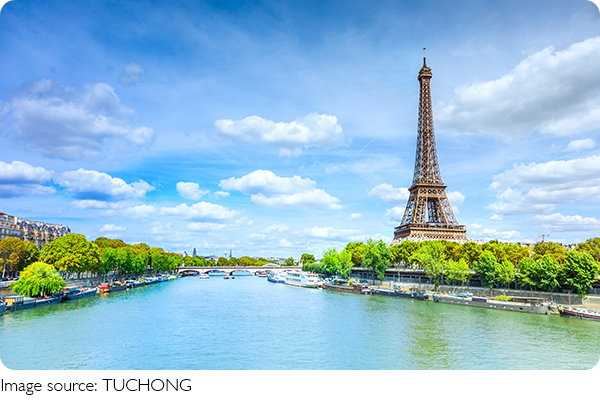
Autumn is genuinely the finest season to visit the Eiffel Tower. The golden canopy of trees along the Champ de Mars turns the surrounding parkland into a warm, amber frame around the iron structure — exactly what this photograph captures. Crowds thin compared to summer, temperatures are comfortable for walking, and the quality of light in the late afternoon hours is extraordinary for photography.
Arrive at the base around 4:30pm, explore the first and second floors, and time your summit visit for just after sunset. The city shifts from golden hour to the first glitter of evening lights — and the tower itself begins its nightly illumination. There is no better sequence for a first visit.
Paris is one of those cities that rewards people who pay attention to the details — the right entrance, the right floor, the right hour. The Eiffel Tower has been photographed billions of times, but your version of it, at the right moment, still manages to feel entirely your own. That, perhaps, is the real reason everyone keeps coming back.
Popular
Phi Phi Island Guide
Turquoise Paradise: Why This Island Cluster is the Ultimate Tropical Blueprint!
Portofino Guide
Italian Riviera Gold: The Ultra-Luxury Fishing Village You Need to Visit Once!
Strasbourg Travel Magic
Forget Paris! This Fairy-Tale Island Is the Hidden Gem You Need to Visit Now
Gornergrat Alpine Railway
Why You Must Ride This Iconic Mountain Railway