Fascinating Saxophone Facts
Fascinating Saxophone FactsPosted by Chris Isidore on 08-04-2026

On Trend
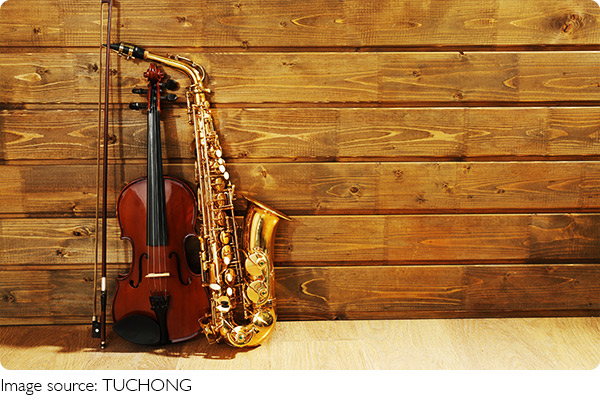
The saxophone is one of the most expressive and versatile instruments in modern music. Invented in the 1840s by Adolphe Sax, it blends qualities of both brass and woodwind instruments.
Its smooth, rich tones can evoke deep emotion or lively rhythm, making it a favorite in jazz, classical, and contemporary music.
Beyond sound, the saxophone has a remarkable history that reflects innovation, creativity, and musical evolution.
The Unique Design
Unlike typical woodwind instruments, the saxophone is made primarily of brass but uses a single-reed mouthpiece similar to a clarinet. This combination allows it to produce a wide range of tones, from soft and melodic to bold and brassy.
Its curved shape is not just aesthetic—it helps with the distribution of sound and makes finger placement more ergonomic. The instrument's design allows performers to explore a wide spectrum of expression, making each performance unique.
Historical Significance
Regimental Bands: Originally, the saxophone was intended for regimental bands in Europe because of its strong projection and flexibility.
Jazz Revolution: In the 20th century, it became a cornerstone of jazz music, giving artists a new way to improvise and innovate.
Classical Integration: Composers gradually embraced the saxophone in orchestral arrangements, highlighting its emotional depth and technical versatility.
Interesting Facts
Varieties: The saxophone family includes soprano, alto, tenor, baritone, and even bass versions, each with distinct tonal qualities.
Famous Players: Legendary musicians like John Coltrane and Charlie Parker transformed music with their innovative techniques and improvisations.
Endurance Test: The instrument requires precise breath control and finger coordination, often making it a challenge for beginners to master.
Sound Influence: Its ability to bend notes and produce vibrato gives saxophonists a unique voice, capable of mimicking the human voice in expressive ways.
Learning and Performance Tips
Aspiring saxophonists should focus on proper posture, breath support, and finger placement. Regular practice with scales, long tones, and improvisation exercises helps build both technical skill and musical intuition. Joining ensembles or jazz groups offers practical experience, enhancing timing, dynamics, and collaborative playing skills.

The saxophone is more than an instrument—it is a bridge between technical precision and emotional expression. Its history, design, and versatility make it a symbol of musical innovation. Observing or playing the saxophone allows one to experience the depth of sound and human creativity, reminding us how music can convey emotion, culture, and artistic vision in ways words alone cannot capture.
Popular
Kitchen Design Made Simple
Key tips and common pitfalls to avoid for a functional kitchen
Building Strong Bonds
Simple daily habits that deepen parent-child connection
Night Photo Tips
Capture Stunning Night Scenes Without Hassle! Master Camera Settings, ISO, Shutter, and Aperture Like a Pro Tonight!
Extend Laptop Life
Practical Tips We Follow to Keep Our Laptop Running Smoothly for 10+ Years Without Any Hassle!