Master Your EV Charge
Master Your EV ChargePosted by Naveen Kumar on 05-04-2026

On Trend
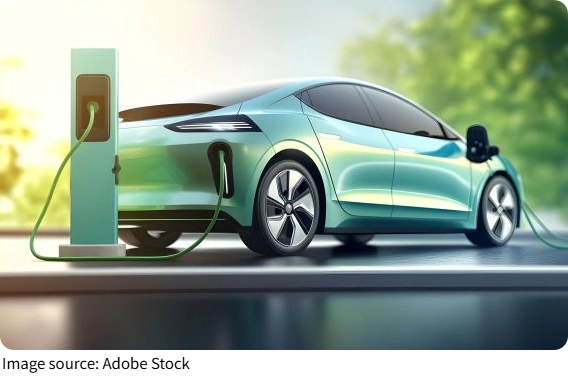
Driving an electric vehicle (EV) is simple, but understanding how to charge it can sometimes be a little tricky. With the right preparation, however, EV charging becomes straightforward, and the process can fit into your daily routine.
Whether you're charging at home or out on the road, the key to making the most of your EV is knowing your options and understanding how they work.
Types of EV Chargers: What You Need to Know
There are three main levels of EV charging: Level 1, Level 2, and Level 3 (also called DC fast charging). The type you use depends on how fast you need to charge and where you're doing it.
1. Level 1 Charging
Level 1 is the most basic form of charging, using a regular 120V household outlet. While this option is very convenient, it's also the slowest. You'll typically gain only about 2 to 4 miles of range per hour, which means it could take days to fully charge a depleted battery. This method works fine if you have short commutes or can plug in every night. However, if you're someone who needs to quickly charge, it might not be the best option.
2. Level 2 Charging
Level 2 is a faster option, providing 240V power. It's about 6 to 8 times faster than Level 1, adding between 12 to 32 miles of range per hour depending on the car's efficiency. This is ideal for home charging, and it can make overnight charging simple and effective. If you're a homeowner, this is a great upgrade to consider. You'll need a dedicated 240V circuit installed, and it's often recommended to consult an electrician to ensure your system can handle the load. Many public charging stations, shopping malls, and workplaces also offer Level 2 chargers.
3. Level 3 Charging (DC Fast Charging)
Level 3, or DC fast charging, is for long trips when you need to recharge quickly. This type of charging can give most EVs 100 to 250 miles of range in less than an hour. However, the charging rate depends on both the charger's capacity and the car's ability to accept faster charging speeds. If your car is capable of handling a 350 kW charge but you only plug into a 50 kW station, the charging time will be longer. DC fast chargers are often found along highways, helping drivers get back on the road quickly.
Charging on the Go: Fast-Charging Networks
While Tesla's Supercharger network is widely regarded as one of the best in terms of reliability and speed, several other networks have sprung up to offer competition. Networks are becoming more widespread. If you're planning a long trip, it's a good idea to download the apps for these networks, create accounts, and keep a physical charge card handy. These networks are generally newer and less extensive than Tesla's, but they are growing fast and making long-distance EV travel more convenient.
In addition, some car manufacturers are implementing plug-and-charge systems that let you use multiple networks without needing to interact with individual charging station apps. This feature can simplify the process by allowing drivers to plug in and charge without needing to manually start the process.
Cost of Charging Your EV
Charging an EV at home is generally more affordable than refueling a gas-powered car. The cost of electricity varies depending on where you live, but many utility providers offer incentives to charge during off-peak hours when electricity prices are lower. Most EVs allow you to schedule your charging times, ensuring your car charges at night when electricity rates are cheaper.
If you find yourself using public charging stations frequently, however, it can be more expensive. Public networks typically charge by the minute or by the kilowatt-hour (kWh), and prices can vary widely depending on the station's location. Some networks even offer memberships that give you discounts on charging fees.
For homeowners who want to make charging even more affordable, adding solar panels and a battery storage system, like Tesla's Powerwall, could help. These systems allow you to store energy collected during the day and use it to charge your EV at night, potentially reducing your electricity bill even further.
Charging Etiquette: Be a Good Neighbor
If you're new to EV ownership, there are some key etiquette guidelines you should follow to make the charging experience better for everyone. In public spaces, always keep an eye on your vehicle's charging status. Once your EV is fully charged, it's courteous to move your vehicle to free up the spot for others. Some networks even impose penalties if you leave your car plugged in after it's fully charged.
Also, make sure the charger is plugged in correctly before leaving your car. Occasionally, charging stations may malfunction within the first few minutes of use, and you'll want to ensure your car is actively charging before walking away.
Lastly, always handle charging cables with care. When you're done charging, return the cable neatly and avoid leaving it on the ground where it could become a tripping hazard. Keeping the charger and cables in good condition helps ensure that they will be available and functional when others need them.
Conclusion: Charging Made Easy
While charging an EV may seem intimidating at first, it's really just a matter of getting used to the different charging methods and planning ahead. Whether you're charging at home overnight, using public charging stations on the go, or utilizing fast-charging networks for long-distance trips, the convenience of EV charging will soon become second nature.
By following a few simple steps and being mindful of charging etiquette, you'll enjoy the benefits of electric driving while helping the whole EV community.
Popular
Top Budget Cars
Drive New for Less: Shockingly Affordable Cars Under $30K!
New EV Elite Unveiled
These Award-Winning EVs Will Amaze You This Year!
Speed Limiters Explained
Discover how modern vehicles use technology to safely control top speeds and protect engines.
Car Care Tips for Long Life
How to Maintain Your Vehicle for Safety, Reliability, and Longevity