Curiosity Sparks Growth
Curiosity Sparks GrowthPosted by Owen Murphy on 07-04-2026

Useful Tips
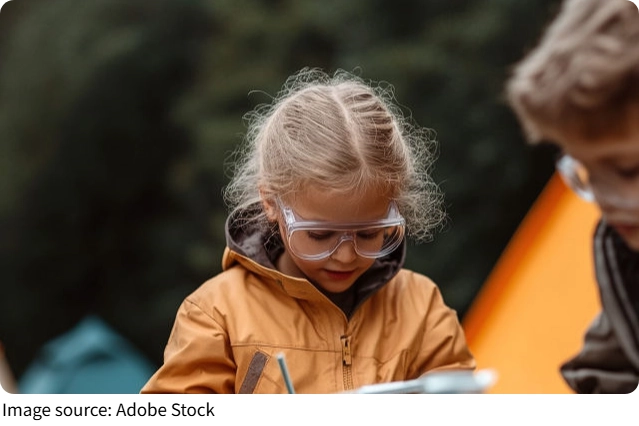
Lykkers, have we noticed how children seem naturally curious about everything around them? From a tiny leaf to a moving insect, every detail sparks their interest. Curiosity is something children are born with—it doesn’t need to be created, only supported.
Across different cultures and families, one thing remains the same: children thrive when their curiosity is respected. When we listen carefully and respond with patience, we help that natural curiosity grow into a lifelong habit of learning.
Create a Safe Space for Exploration at Home
Creating a small space at home where children can safely explore objects and materials can support curiosity and independent learning. Education pioneer Maria Montessori emphasized that children learn best in a prepared environment—a space designed with accessible materials that encourage exploration and hands-on discovery.
Similarly, developmental psychologist Jean Piaget explained that children learn by actively interacting with their surroundings, using touch and observation to understand the world. Providing simple tools and natural objects while setting clear boundaries helps children explore safely while developing independence.
Turn Daily Life into a Learning Adventure
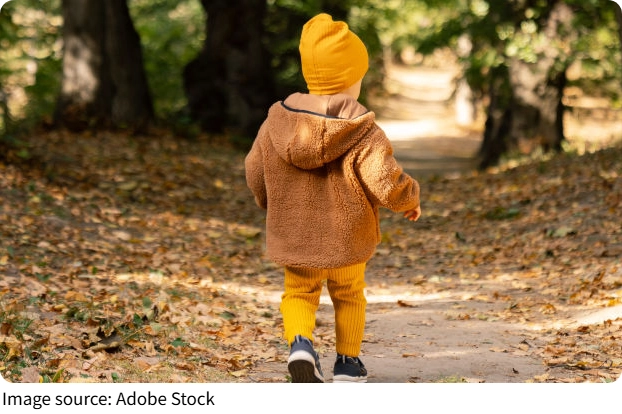
Curiosity grows best in everyday life. Even simple routines can become exciting learning moments. A short walk outside can turn into an exploration of sounds, shapes, and changes in nature.
We can try taking different routes, noticing new details, or asking simple questions like:
“What do you think is happening here?”
Instead of giving quick answers, we encourage children to think. This builds confidence and helps them develop their own ideas over time.
Be a Learning Partner, Not Just a Teacher
Children learn best when we explore alongside them. Instead of acting as the one who always knows the answers, we can become partners in discovery.
When a child shows interest in something—like a small creature, a plant, or even a question—we can explore it together. We can read simple books, draw what we see, or keep a small observation journal.
This shared experience makes learning more meaningful and shows children that curiosity is something to enjoy, not something to rush through.
Encourage Open-Ended Play and Creativity
The type of materials children use can influence how they think. Open-ended items like building blocks, paper, or natural objects allow children to create freely.
Unlike fixed-function toys, these materials don’t have one “correct” use. Children can build, combine, and imagine without limits. This kind of play supports creativity, problem-solving, and flexible thinking.
When children are free to experiment, they naturally ask more questions and explore more possibilities.
Teach Simple Observation and Thinking Skills
Curiosity becomes stronger when children learn how to observe and think clearly. We can guide them using simple methods:
- Notice colors, shapes, and sizes
- Observe step by step, from top to bottom or outside to inside
- Compare similarities and differences
These small techniques help children understand the world in a structured way. Over time, they also support learning in reading, science, and problem-solving.
Accept Mistakes as Part of Learning
Exploration naturally includes mistakes. Children may try something that doesn’t work or make a mess during the process. This is a normal and valuable part of learning.
Instead of stopping them, we can respond with patience. Mistakes help children understand what works and what doesn’t. When they feel safe to try, they become more confident and willing to explore new ideas.
A supportive response builds resilience and keeps curiosity alive.

Expand Experiences Beyond Home
To grow curiosity, children need a wide range of experiences. Visiting parks, museums, or nature areas can introduce new ideas and inspire questions.
Simple activities like observing insects, collecting natural objects, or watching the sky can lead to meaningful discoveries. These experiences help children connect what they see with what they think.
The more experiences they have, the richer their imagination and understanding become.
Let’s Grow Curiosity Together
Lykkers, supporting a child’s curiosity doesn’t require perfect knowledge or special skills. What matters most is our attitude—being patient, open, and willing to explore together.
When we give children space, encouragement, and trust, their curiosity grows naturally. It becomes a powerful force that supports learning, creativity, and confidence throughout life.
So next time we hear a child ask “why,” let’s pause and explore the answer together. That shared moment might be the beginning of something truly meaningful.
Popular
Autumn Skirt Styling Tips
Master the art of layering and accessorizing for chic autumn looks.
Face Shape Guide
Discover the perfect haircut to enhance your natural features.
Perfect Sofa Color
Tips for Selecting a Sofa Color That Complements Your Space
Perfect Kitchen Dining Table
Tips to Help You Select the Ideal Dining Table for Your Kitchen