Sleep Paralysis Truth!
Sleep Paralysis Truth!Posted by Pankaj Singh on 31-03-2026
Odd News
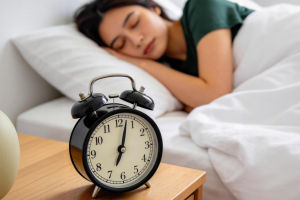
Sleep paralysis is a striking and often unsettling experience characterized by temporary immobility during the transition between sleep and wakefulness.
Individuals remain conscious but unable to move or speak, frequently accompanied by vivid sensory perceptions such as pressure, shadowy figures, or a strong sense of presence.
Although the experience can feel alarming, scientific research classifies sleep paralysis as a benign condition linked to disruptions in normal sleep mechanisms. Understanding its underlying causes is essential for reducing fear and promoting effective management.
The Role of REM Sleep Disruption
Sleep paralysis is closely associated with rapid eye movement (REM) sleep, a stage where dreaming is most vivid. During REM, the brain naturally suppresses voluntary muscle activity to prevent physical movement during dreams. This temporary state, known as REM atonia, is a protective neurological mechanism.
Sleep paralysis occurs when this atonia persists into wakefulness. In such cases, consciousness returns before the body regains motor control. This mismatch between brain activity and muscle responsiveness creates the sensation of being trapped within one’s own body. The phenomenon is not random but reflects a misalignment in the timing of sleep stages, particularly during fragmented or irregular sleep cycles.
Irregular Sleep Patterns and Circadian Disruption
One of the most significant contributors to sleep paralysis is inconsistency in sleep schedules. Frequent changes in bedtime, insufficient rest, or disruptions caused by shift work can destabilize the circadian rhythm—the internal clock that regulates sleep and wake cycles.
When circadian alignment is disturbed, transitions between sleep stages become less predictable. This instability increases the likelihood of incomplete transitions out of REM sleep, making episodes of sleep paralysis more probable. Research indicates that individuals who experience chronic sleep deprivation or irregular sleeping hours are at higher risk of encountering this condition.
Psychological Stress and Emotional Load
Heightened stress levels and emotional strain have a profound influence on sleep quality. Persistent mental tension can alter brain activity during rest, leading to fragmented sleep and increased awakenings during REM stages.
Stress-related activation of the nervous system can also intensify the sensory aspects of sleep paralysis, such as hallucinations or perceived threats. These experiences are shaped by the brain’s attempt to interpret dream imagery while conscious awareness is present. As a result, psychological factors do not merely trigger episodes but can also amplify their intensity and frequency.
Sleep Position and Physical Factors
Body position during rest plays a subtle yet noteworthy role in the occurrence of sleep paralysis. Studies have found a higher prevalence of episodes when lying in a supine position, or on the back. This posture may influence airway dynamics and neural signaling associated with REM sleep transitions.
Additionally, environmental conditions such as poor sleep hygiene, excessive screen exposure before bedtime, and uncomfortable sleeping arrangements can contribute to disrupted sleep architecture. These factors indirectly increase vulnerability to sleep paralysis by interfering with stable progression through sleep stages.
Association with Sleep Disorders
Sleep paralysis often appears in connection with other sleep-related conditions. One of the most well-documented associations is with narcolepsy, a neurological disorder characterized by excessive daytime sleepiness and sudden transitions into REM sleep.
However, sleep paralysis can also occur independently in otherwise healthy individuals. Occasional episodes are considered relatively common, especially during periods of fatigue or stress. The distinction lies in frequency and severity; recurrent episodes may indicate an underlying sleep disorder that requires professional evaluation.
Neurobiological Mechanisms Behind the Experience
From a neurological perspective, sleep paralysis reflects a temporary dissociation between cortical and subcortical brain regions. The cerebral cortex, responsible for conscious awareness, becomes active, while motor control systems remain inhibited.
At the same time, areas of the brain involved in emotional processing—such as those linked to fear perception—can remain highly active. This explains why many episodes involve intense sensations of danger or presence, even in the absence of external stimuli. The brain, still partially in a dream state, generates internally driven imagery that feels convincingly real.
According to Severin Ableidinger and Brigitte Holzinger, researchers at the Institute for Consciousness and Dream Research, sleep paralysis occurs when aspects of REM sleep persist into wakefulness. In REM sleep the brain paralyzes skeletal muscles to prevent acting out dreams, but if a person becomes conscious while this paralysis continues, it creates a mismatch between awareness and motor control. Meanwhile, brain areas involved in dreaming and emotional processing remain active, which can produce vivid sensations and intense feelings of fear or presence even without external stimuli.

Sleep paralysis is a complex yet scientifically explainable condition rooted in disruptions of REM sleep mechanisms. Its causes range from irregular sleep schedules and psychological stress to specific sleep positions and underlying sleep disorders. At its core, the experience reflects a temporary disconnect between consciousness and physical movement, often intensified by heightened brain activity during REM transitions.
Although the sensations can feel vivid and distressing, sleep paralysis does not indicate a dangerous condition. With improved sleep hygiene, consistent routines, and attention to mental wellbeing, the likelihood of episodes can be significantly reduced. A deeper understanding of its causes transforms fear into awareness, allowing individuals to approach the experience with greater confidence and control.
Popular
Happy Family Life
Unlock the secrets of a truly happy family: simple daily habits that make your home full of laughter, warmth, and love!
Healthy Life Tips
Transform Your Life: Simple Daily Habits That Make Us Healthier, Happier, and More Energized Every Day!
Love Stays Fresh
10 Simple Secrets to Keep Your Love Exciting Every Day—Turn Ordinary Moments into Sweet Memories!
Daily Habits for Family Love
Small, simple actions that strengthen bonds, create lasting memories, and make your home the warmest place ever