Fluffy Toast Magic
Fluffy Toast MagicPosted by Caleb Ryan on 26-03-2026
Food Recipes
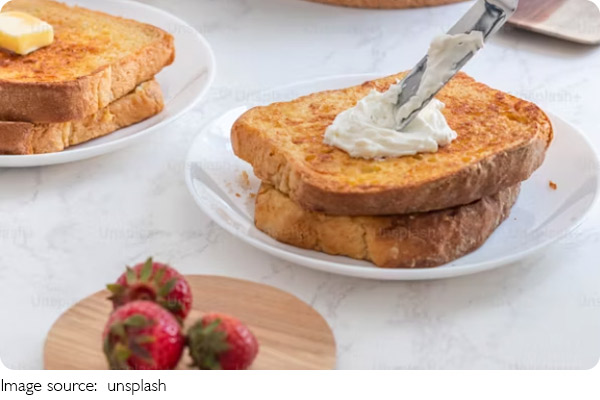
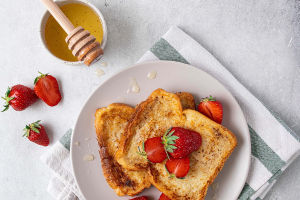
French toast is a classic breakfast that transforms ordinary bread into a soft, golden, and slightly sweet treat. By soaking bread in a rich egg and milk mixture and gently pan-frying it, we can enjoy a dish that is crisp on the outside and tender on the inside.
French toast can be served sweet with syrup, honey, or fruit, or made savory with cheese and deli slices. Today, we’ll focus on a sweet version that’s quick to make at home but tastes like it came straight from a café brunch menu.
Ingredients You’ll Need
Here’s what we need to make 4 slices of French toast:
- Thick bread: 4 slices (thin slices work, but thick slices give a more fluffy interior)
- Eggs: 3
- Milk: 180ml
- Sugar: 35g (adjust to taste)
- Cream: 35ml (optional, for extra richness)
- Vanilla extract: 1–2 drops (optional, adds a warm aroma)
- Butter: about 10–15g for frying
- Optional toppings: honey, maple syrup, powdered sugar, or fresh fruit like berries or banana slices
We can easily scale the recipe for more people. Adjust the sweetness and toppings according to personal preference, keeping it light or indulgent.
Step 1: Prepare the Egg Mixture
1. Break 3 eggs into a mixing bowl.
2. Add 35g sugar and whisk until the grains dissolve and the mixture is smooth.
3. Add 1–2 drops of vanilla extract if we like extra flavor.
4. Pour in 180ml milk and 35ml cream (optional) and whisk everything together until uniform. This egg-milk mixture will soak into the bread, giving it a rich, tender texture that makes French toast so comforting.
Step 2: Soak the Bread
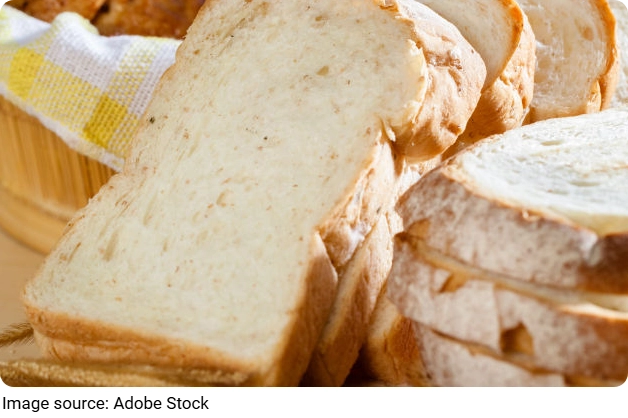
1. Place the bread slices in a deep dish that can hold the liquid.
2. Pour the egg mixture over the bread, making sure each slice is completely coated.
3. For frozen bread, soak for 20 minutes, then flip each slice and soak for another 10 minutes. This ensures that the bread absorbs the liquid evenly without falling apart.
4. If we prefer a firmer toast, we can shorten the soak to around 20 minutes total. For a softer, creamier interior, we can soak longer or even overnight.
Step 3: Heat the Pan
1. Preheat a non-stick pan over low heat.
2. Add 10–15g of butter and let it melt gently.
3. Because butter burns quickly, cooking slowly is key. If we want, we can use a tiny amount of olive oil to prevent sticking while maintaining flavor.
Step 4: Cook the Toast
1. Gently place the soaked bread slices into the pan.
2. Cook over low heat for 3–4 minutes on the first side, until golden brown.
3. Carefully flip the slices and cook the other side until golden.
4. For thick slices, we can stand them on their edges briefly to brown the sides and create a uniform golden crust.
5. Be gentle when flipping, as soaked bread can be soft and delicate.
Step 5: Optional Oven Finish
1. To make the outside slightly crisp while keeping the inside soft, transfer the cooked toast to an oven preheated to 180°C (356°F).
2. Bake for 5–10 minutes. This adds a lightly crunchy surface that pairs perfectly with honey or syrup.
Step 6: Serve and Enjoy
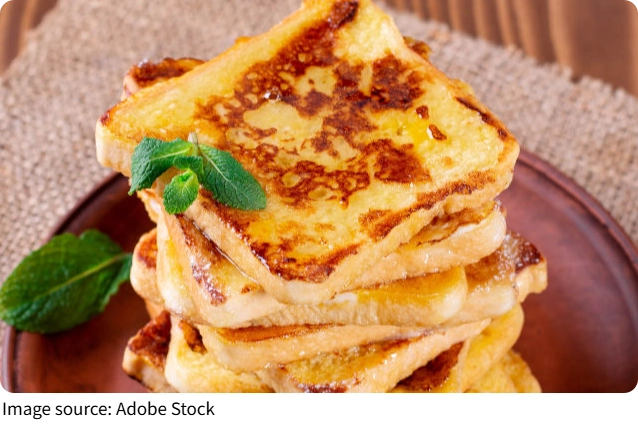
1. Arrange the French toast on a plate.
2. Drizzle with honey, maple syrup, or dust lightly with powdered sugar.
3. Add fresh fruits such as berries or banana slices for color and flavor.
4. Serve immediately while warm to enjoy the perfect texture contrast: crisp outside, soft inside.
Tips for Perfect French Toast
- Soaking time greatly affects texture. Longer soaking produces a creamy, almost custard-like center, while a shorter soak keeps the bread springy.
- Frozen bread maintains shape better and absorbs the liquid evenly.
- Cooking on low heat prevents burning and ensures the toast cooks uniformly.
- Adding a little butter on top right after frying gives a rich, glossy finish.
Enjoy Every Bite
Making French toast at home is easy, fun, and rewarding. Lykkers, with a little care and patience, we can create a breakfast that looks and tastes like it came from a brunch café. A beautiful plate with fresh fruit, syrup, or a light sprinkle of sugar is all it takes to make mornings feel special. Let’s enjoy this warm, comforting treat together!
Popular
Egg Truths
Is Eating Eggs Really Bad for Your Heart?
The Oatmeal Effect
Scientists tested a strict oatmeal diet—and the cholesterol results surprised them
Juicy Salmon in Parchment
A Foolproof Way to Steam Salmon with Potatoes and Asparagus for a Tender, Flavorful Dinner
Mushroom Cream Sauce
A rich, savory sauce recipe with practical steps for home cooking delight