Desert-Eared Fox
Desert-Eared FoxPosted by Pardeep Singh on 25-03-2026
Wild Animals
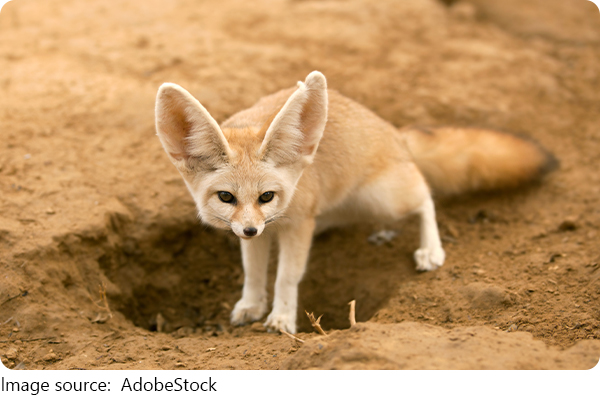
Ever seen a fox so tiny it could fit in your backpack? The fennec fox, also called the desert little fox or sand fox, is a tiny nocturnal fox living in the Sahara Desert and other parts of North Africa.
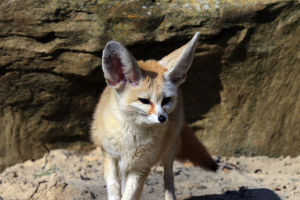
Its most striking feature is its enormous ears, which make it look both cute and alert. The word ‘fennec’ comes from the Arabic word for ‘fox,’ while its species name, zerda, comes from a Greek word meaning ‘dry,’ which perfectly describes the harsh desert where it lives.
We can hardly imagine an animal so small thriving in such extreme heat and dryness, yet the fennec fox has adapted remarkably well.
Survival in the Sand
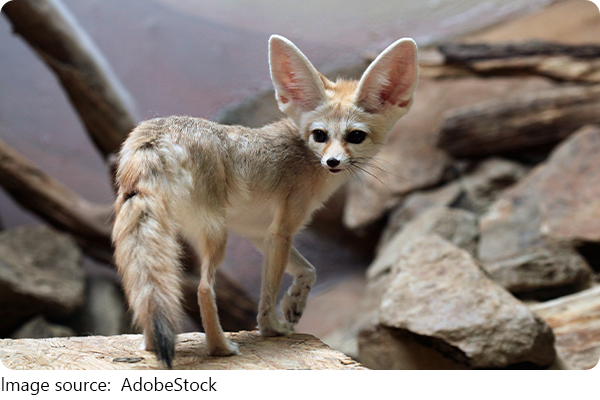
These little foxes usually weigh between 0.68 and 1.6 kilograms, with a body length of 24–40 centimeters, and a shoulder height of around 20 centimeters. Their tails are fluffy with black tips and about three-quarters the length of their body. But it’s their ears—10 to 15 centimeters long—that truly set them apart. These large ears not only give them a cute look but also help them stay cool.
Blood vessels near the skin release heat, allowing the fox to handle daytime temperatures that could overwhelm other small animals. Their soft cream-colored fur reflects sunlight during the day and keeps them warm at night, while their furry footpads protect them from scorching sand.
Super Hearing for Tiny Hunts
The fennec fox’s hearing is incredible. It can detect the slightest movement of prey under the sand, such as insects, small rodents, or lizards. This superpower allows it to hunt efficiently in a desert environment where food is scarce. When we watch videos or hear their calls, we can feel just how alert and attentive these little foxes are, always ready to react in a flash. Their survival relies heavily on this keen sense, making their ears not just adorable but essential.
Underground Homes
Fennec foxes dig elaborate burrows in the sand that can cover up to 120 square meters. These underground networks provide shelter from predators and the desert heat. Sometimes, multiple fox families connect their burrows, creating a small underground community. In the wild, they can live up to 10 years, but their main threats include wildcats and desert owls. Despite these dangers, the species is not currently at risk of extinction, though exact population numbers are difficult to measure.
Cultural and Global Fascination
Humans have long been fascinated by the fennec fox. In North Africa, locals have historically valued their fur for centuries. In other parts of the world, people see the fox as an exotic pet, admired for its tiny size and striking appearance. Their playful personality, curious nature, and incredible adaptations make them beloved in wildlife documentaries and online videos. We can learn a lot from observing them, not only about desert survival but also about clever animal behaviors and social interactions.
Daily Life and Behavior
Fennec foxes are mostly nocturnal. During the day, they rest in their burrows to escape the scorching sun. At night, they emerge to hunt, play, and explore. Their social interactions are fascinating: they communicate with barks, growls, and other calls. Young foxes often play together, learning essential skills from their parents. Even their grooming and movement are designed to conserve energy and water in an environment where both are limited.
Why We Love Fennec Foxes
We can’t help but admire how this tiny fox survives against the odds. Its oversized ears, silky fur, and clever hunting strategies are not just survival tools—they are reminders of nature’s ingenuity. Observing the fennec fox can make us appreciate how every species, no matter how small, has unique ways to thrive in its habitat. Their resilience is inspiring, and their playful antics bring joy to anyone lucky enough to watch them closely.
Final Thoughts
Lykkers, ultimately, the fennec fox is more than just a cute desert creature. It is a master of survival, a model of adaptation, and a fascinating species to observe from afar. We can learn lessons from its life: patience, awareness, and clever problem-solving. Next time we think about wildlife in harsh environments, let us remember the tiny fennec fox, which shows how strength and intelligence can come in the smallest packages.
Popular
Birds and UV Vision
Discover how birds see a hidden spectrum beyond human eyes.
Desert-Eared Fox
How This Tiny Fennec Fox Survives the Desert with Its Giant Ears and Clever Tricks You Won’t Believe!
Transparent Wing Wonder
This Butterfly’s Wings Are Almost Invisible—You Won’t Believe How It Hides in Plain Sight!
Pet Socialization
Unlock the key to a happy, well-adjusted pet with these socialization tips.