Lofoten Arctic Escape
Lofoten Arctic EscapePosted by Declan Kennedy on 24-03-2026
On Trend
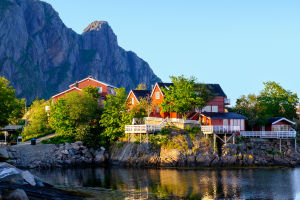
Rising sharply from the Arctic waters, the Lofoten Islands feel almost unreal.
Jagged peaks, quiet fishing villages, and stretches of open sea create a landscape that constantly shifts with light and weather.
Whether under the midnight sun or beneath dancing northern lights, Lofoten offers a travel experience defined by contrast and clarity.
Lofoten
Getting There and Travel Basics
Lofoten is located in northern Norway, above the Arctic Circle, yet remains surprisingly accessible.
Transportation
• By Air: The quickest way to reach Lofoten is to fly. Many travelers fly into Harstad/Narvik Airport (EVE), which has connections from Oslo and other major European cities, then drive or take a bus about 2–3 hours east to the islands.
• From Bodo Airport (BOO), you can connect with short regional flights to Svolvær (SVJ) or Leknes (LKN), which are on Lofoten itself.
– Flight costs: A one‑way domestic flight within Norway (e.g., Bodo → Svolvær/Leknes) is typically around $80–$150 USD depending on season and booking timing.
– Taxi/Shuttle vs. Rental Car: A taxi from EVE can cost $150–$250 USD to central Lofoten, whereas a rental car can be around $60–$120 per day.
Getting Around
• Car Rental: Renting a car is the most efficient and flexible way to explore Lofoten once you arrive. It lets you visit beaches, fishing villages, and hidden fjords at your own pace. Rentals in summer can range from $60–$120 USD per day.
• Public Buses: There are bus services that connect major villages and towns, but schedules are limited, especially in more remote areas or outside peak season.
• Ferries & Express Boats: Within the islands you can also use local ferries and express boats (especially in summer) to reach smaller settlements that aren’t directly on the E10 road.
Iconic Landscapes and Attractions
Lofoten is best known for its dramatic natural scenery.
- Reine and Reinebringen
• One of the most photographed villages
• Hiking to the viewpoint offers panoramic views of fjords and peaks
- Uttakleiv and Haukland Beaches
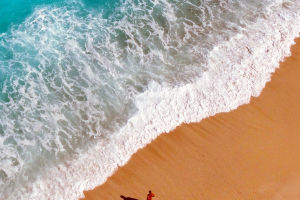
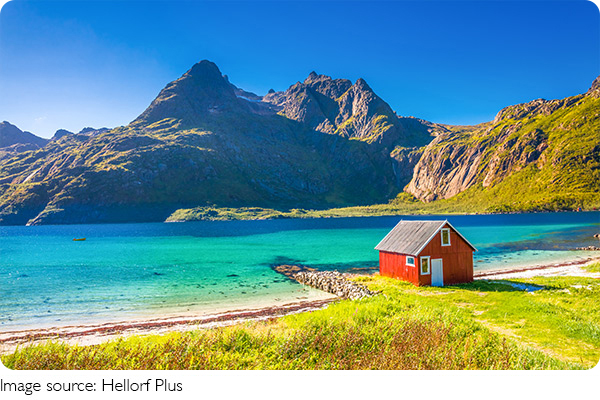
• White sand beaches with clear Arctic water
• Ideal for photography and quiet walks
- Nusfjord Village
• A preserved fishing village with traditional cabins
• Offers insight into historic coastal life
- Lofotr Viking Museum
• Reconstructed Viking settlement based on archaeological discoveries
• Provides interactive exhibits and historical context
Cost: Per Person: ~NOK 210 – 265 (~$20–$26 USD), Child (6–15 yrs): ~NOK 160 – 170 (~$16–$17 USD)
These locations combine natural beauty with cultural depth.
Activities and Experiences
Lofoten supports a wide range of outdoor and seasonal activities.
Hiking
• Popular trails include Reinebringen, Ryten, and Mannen
• Routes vary from short climbs to challenging hikes
Northern Lights and Midnight Sun
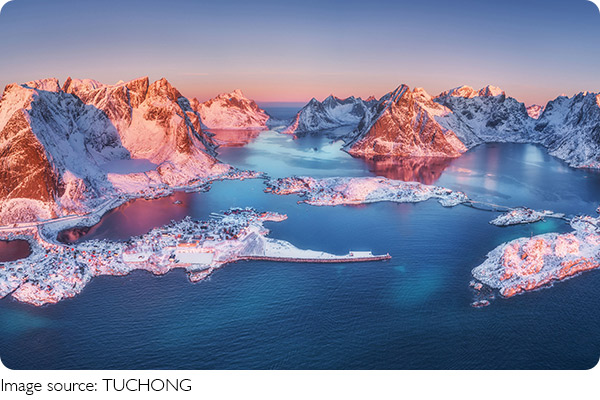
• Northern lights: March
• Midnight sun: late May to mid-July, with 24-hour daylight
Water Activities
• Kayaking, fishing, and coastal exploration
• Calm waters in summer make activities more accessible
Cultural Visits
• Museums such as the Norwegian Fishing Village Museum showcase local heritage
These experiences highlight the relationship between people and the Arctic environment.
Accommodation Options
Lofoten offers distinctive places to stay, often tied to its fishing heritage.
Rorbu Cabins
• Traditional fishermen's cabins converted into lodging
• Price: $120–$300 per night
Hotels and Guesthouses
• Price: $150–$300 per night
• Located in towns like Svolvær and Leknes
Apartments and Rentals
• Price: $100–$250 per night
• Suitable for longer stays
Due to high demand, early booking is strongly recommended.
Costs and Practical Tips
Best Time to Visit
• Summer: hiking and midnight sun
• Winter: northern lights and snow-covered landscapes
Travel Tips
• Weather changes quickly—bring layered clothing
• Respect nature and stay on marked trails
• Plan fuel and food stops in advance due to long distances
Lofoten is not a place of excess—it is a place of precision. Every mountain ridge, every stretch of coastline feels intentional, shaped by nature over time. Standing on a quiet shore with the sea stretching endlessly ahead, travelers often realize that the true value of this destination lies not in what it offers, but in how it changes the way you observe the world.
Popular
Autumn Forest
How Fall Colors and Wildlife Shift Signal a Season of Change
Exploring Magical Lapland
Discover the Northern Lights, Winter Adventures, and Arctic Culture
Autumn Forest Photography
Capture Stunning Colors and Atmosphere in Fall Woods
Essentials of Home Design
Key Principles for Comfortable, Functional, and Sustainable Living