Urban Plants Beat Pollution
Urban Plants Beat PollutionPosted by Nolan O'Connor on 19-03-2026

Funny Facts
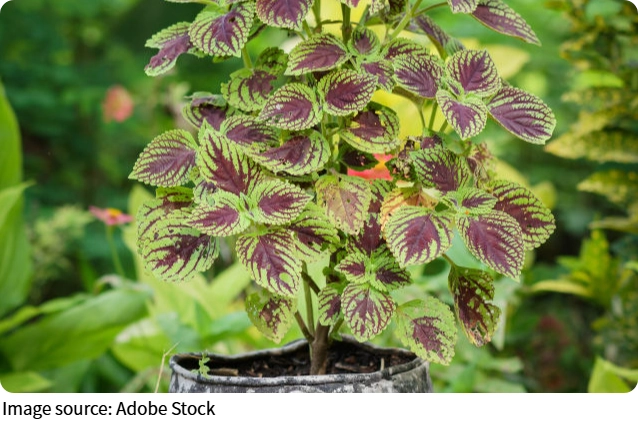
Walking down a busy street, you might notice the trees along the sidewalk looking surprisingly healthy despite the haze of traffic.
Ever wondered how they manage to survive the invisible clouds of pollutants that fill city air?
Plants aren't passive in polluted environments—they have evolved clever ways to protect themselves and even help cleanse the air around them.
Leaf structure adaptations
Leaves are a plant's frontline defense against airborne threats. Their physical features often determine how well they cope with pollutants.
1. Thick cuticles create a barrier that prevents harmful particles from entering leaf tissues.
2. Hairy surfaces trap dust and soot, stopping them from reaching delicate cells.
3. Waxy coatings repel water and some chemical pollutants, reducing absorption.
Tip: When caring for city plants in pots, lightly rinsing leaves with water every few weeks can help remove surface pollutants without damaging these natural protective layers.
Stomatal regulation
Plants exchange gases through stomata, tiny openings on leaves. Controlling these openings helps limit pollutant intake.
1. Closing stomata during high pollution periods reduces chemical entry.
2. Opening stomata when air is cleaner allows photosynthesis to continue safely.
3. Stomatal density varies by species, influencing sensitivity to pollutants.
Gardening tip: Adjust watering and fertilizer timing to maintain healthy stomatal function, helping plants better resist environmental stress.
Detoxifying enzymes
Plants aren't just passive barriers—they actively neutralize toxins internally.
1. Antioxidant enzymes break down reactive molecules caused by pollution.
2. Metal-binding proteins lock heavy metals in safe forms.
3. Stress proteins stabilize cell structures under chemical attack.
Indoor plants like spider plants and peace lilies are known to absorb pollutants efficiently. Keeping them healthy with regular pruning enhances their detox abilities.
Leaf shedding and renewal
Some plants cope by cycling leaves. Older, contaminated leaves are replaced with fresh growth, reducing long-term damage.
1. Shedding leaves removes trapped particles and toxins.
2. New growth maximizes photosynthesis in cleaner tissues.
3. Seasonal timing aligns leaf replacement with periods of lower pollution.
Tip: Trim older foliage and encourage new shoots through proper fertilization.
Root-level defense
Roots don't just take up water and nutrients—they help manage environmental stress.
1. Absorbing pollutants from the soil before they reach leaves.
2. Symbiotic microbes in roots break down harmful compounds.
3. Deep root systems avoid surface contamination during heavy pollution events.
Tip: Trees with deeper roots or healthy potting soil strengthen these protective mechanisms.
Air-cleaning benefits
Plants don't just protect themselves—they help their surroundings too.
1. Trapping dust reduces particle load in nearby air.
2. Absorbing gases like nitrogen dioxide and ozone improves air quality.
3. Humidity regulation helps particulate matter settle faster.
Tip: Placing several pollution-tolerant plants along busy streets or near indoor vents can noticeably improve air freshness.
Stress signaling and recovery
Plants under pollution stress can signal for repair processes, just like humans responding to minor injuries.
1. Stress hormones trigger protective proteins.
2. Metabolic adjustments reduce damage to vital systems.
3. Recovery periods allow normal growth to resume after exposure decreases.
Tip: Give potted plants occasional periods of lower stress—like moving them indoors during smog events—to improve long-term resilience.
Plants in city environments are quietly resilient. They combine structural defenses, biochemical shields, and active detox strategies to survive where the air is thick with pollutants. Observing these mechanisms can change how we care for urban greenery, reminding us that even in crowded, polluted spaces, life finds ways to thrive.
Popular
Flower Trends 2026
Gardeners reveal the blooms everyone will be planting this year.
Lush & Wild Gardens
Maximalism, pollinators, and dreamy palettes are taking over this spring.
Bouquet Wrapping Made Easy
Simple techniques to create elegant and professional flower wraps
Glossy Monstera Care
Why Is Your Monstera Turning Yellow? Simple Care Tips to Make Leaves Glossy and Boost New Growth Fast!