Greener Future
Greener FuturePosted by Arvind Singh on 19-03-2026

Funny Facts
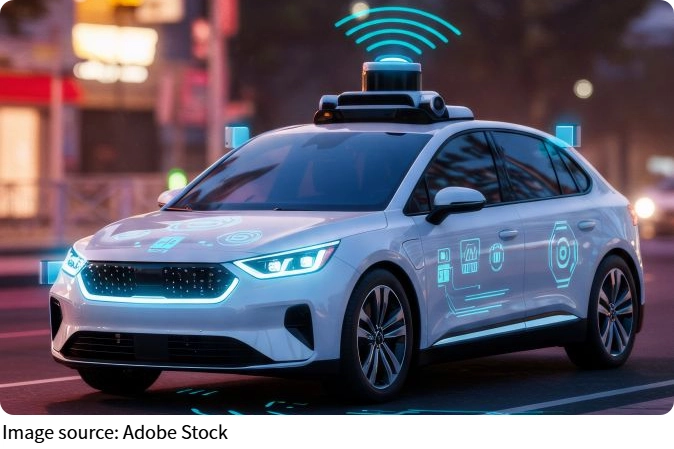
It's a familiar scene: traffic crawling through city streets, exhaust trailing behind every vehicle. For drivers, it's frustrating; for the planet, it's a serious problem.
The automotive industry faces intense pressure to reduce carbon emissions while keeping cars affordable and convenient.
The challenge is enormous, but innovative solutions are emerging that could reshape how we drive—and how we impact the environment.
Regulatory Pressure and Industry Targets
Governments and international organizations are setting stricter emissions standards, pushing manufacturers to innovate quickly. These regulations often set specific carbon targets for fleets, encouraging cleaner vehicles across the board.
Fleet-wide emission caps: Some regions require that the average emissions of all vehicles sold by a manufacturer fall below a certain threshold. This motivates companies to produce more electric and hybrid models. For example, a carmaker may introduce a range of hybrids to lower the average emissions of its fleet.
Incentives for green vehicles: Tax breaks and subsidies can make low-emission vehicles more attractive to consumers. A driver purchasing an electric car might qualify for a rebate, making the upfront cost more manageable.
Penalties for non-compliance: Companies exceeding emission limits face fines or restrictions, encouraging rapid adoption of sustainable technologies. These measures create both financial and reputational pressure to innovate.
Understanding these regulations is key for manufacturers and consumers who want to make environmentally responsible choices.
Technological Innovations to Cut Emissions
Reducing carbon output isn't just about rules; it's about engineering. Carmakers are developing solutions that improve fuel efficiency and reduce emissions without compromising performance.
Electric and hybrid drivetrains: Fully electric vehicles produce zero tailpipe emissions, while hybrids combine combustion engines with electric motors to reduce fuel use. A commuter who switches to a hybrid can cut city driving emissions nearly in half.
Lightweight materials: Using aluminum, carbon fiber, or advanced composites reduces vehicle weight, improving fuel efficiency. A sports sedan incorporating these materials can achieve better mileage without sacrificing speed.
Advanced engine management: Smart sensors and software optimize combustion, reducing waste and lowering emissions. A city bus with optimized fuel injection systems can operate cleaner while carrying more passengers.
These technologies not only help manufacturers meet targets but also deliver tangible benefits to drivers, including lower fuel costs and smoother performance.
Infrastructure and Energy Considerations
Cleaner vehicles are only part of the solution; the energy used to power them matters too. A shift to renewable energy sources amplifies the environmental benefits of low-emission cars.
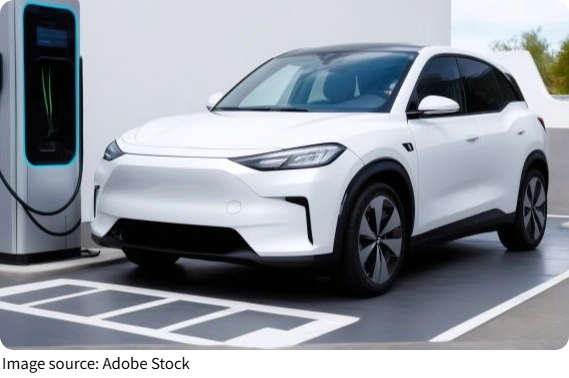
Charging networks for electric cars: Expanding accessible charging stations makes electric vehicles practical for more people. For example, a city adding fast chargers at supermarkets and workplaces encourages commuters to choose electric over gas-powered cars.
Renewable energy integration: Pairing solar, wind, or hydroelectric power with vehicle charging ensures that emissions reductions aren't offset by fossil-fuel electricity. A fleet operator using solar-powered charging can reduce overall carbon output significantly.
Smart grid technology: Optimizing energy distribution allows vehicles to charge during off-peak hours, minimizing stress on the grid and enhancing efficiency. A residential neighborhood with smart chargers can reduce peak electricity demand while supporting EV adoption.
These measures demonstrate how automotive innovation intersects with broader energy systems to achieve meaningful environmental impact.
Consumer Behavior and Adoption
Even the most advanced vehicles won't reduce emissions if drivers aren't using them. Consumer choices play a crucial role in shaping the success of low-emission technologies.
Awareness campaigns: Educating buyers about emissions and environmental impact encourages more sustainable purchases. A dealership might provide comparative data showing how much CO₂ a hybrid saves compared to a conventional sedan over a year.
Incentivizing sustainable driving: Apps and telematics can reward eco-friendly behavior, like smooth acceleration and efficient route planning. A driver tracking fuel-efficient habits may earn discounts on insurance or maintenance.
Community adoption programs: Shared fleets or carpool incentives reduce the number of vehicles on the road, further decreasing carbon output. A corporate campus offering EV car-sharing encourages employees to drive less and cleaner.
Consumer engagement complements technical and regulatory efforts, creating a comprehensive approach to carbon reduction.
Looking Forward
Meeting global carbon goals in the automotive sector is a complex challenge, but progress is visible. From innovative engines and electric drivetrains to renewable-powered charging infrastructure, every step counts.
For drivers, this means cleaner air and more efficient vehicles. For manufacturers, it represents both a challenge and an opportunity to lead in sustainability. The path forward combines technology, policy, and informed consumer choices, showing that even in a world dominated by cars, a greener future is within reach.
Popular
Smooth Beats Speed
What if control comes from how you roll on power, not how much?
Fit Right, Ride Safe
How Your Body Shape Can Guide the Perfect Motorcycle Gear Choice
Ride Smart, Stay Protected
How to Choose Jackets and Vests That Keep You Safe Without Sacrificing Comfort
Ride Right for Any Weather
How to Pick Motorcycle Gear That Keeps You Comfortable in Every Climate