Hiking Safety Guide
Hiking Safety GuidePosted by Arvind Singh on 18-03-2026

OutDoor Sports
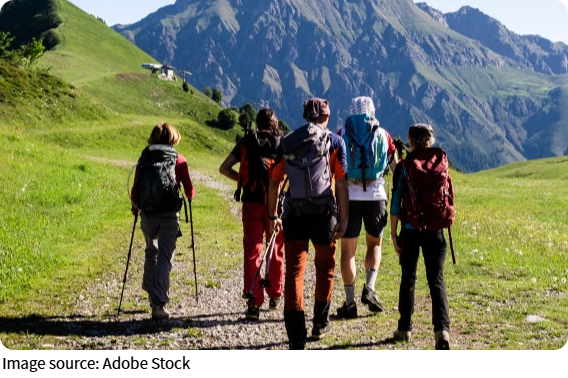
Before we lace up our boots, let’s take a moment to plan. Hiking has become a favorite weekend activity, but it can be risky if we’re unprepared. To stay safe and enjoy the journey, we need to know our destination thoroughly.
Check the weather forecast, research the trail’s difficulty, and understand local terrain and natural hazards. Look for online reviews or trail reports—these small details help avoid surprises.
Planning ahead isn’t just practical; it gives us confidence to tackle the adventure.
Pack Right
Packing properly can make the difference between a great hike and a difficult one. First, hydration is essential. Even if we don’t feel thirsty, dehydration can hit fast during long treks. Carry enough water and drink regularly, aiming for small, frequent sips.
Next, clothing is critical. Trails can expose us to temperature swings, strong sun, wind, or sudden rain. Dressing in layers allows us to adjust quickly. A hat, sunglasses, and long sleeves protect from sunburn, while lightweight jackets guard against wind or light rain.
A well-stocked first aid kit is a must. Include bandages, antiseptic wipes, sterile gauze, and a tourniquet. Check expiration dates before departure. Finally, ensure we have a working phone or communication device. In remote areas, a portable charger or satellite communication tool can be a lifesaver.
Shoes That Protect
Our shoes are more than comfort—they’re protection. Mid or high-cut hiking shoes provide ankle support and shield feet from sharp rocks or roots. Non-slip soles handle wet or uneven terrain, while waterproof materials keep feet dry.
Avoid flip-flops or sandals—they increase the risk of slips, cuts, bruises, and insect bites.
Proper footwear is the first line of defense against injuries on the trail. Before a long hike, it’s smart to test new shoes with short walks to ensure they fit perfectly.
Share Your Plan
Always let someone know where we’re heading. Sharing our route with friends or family ensures someone can check in if we don’t return on time. Even a simple text with planned stops can make a big difference.
When hiking in groups, set up a buddy system. This way, no one wanders alone, and the team can quickly assist if someone gets tired or injured. Safety grows when we look out for each other.
Preventing Falls
Falling is the most common hiking injury, often leading to sprains, strains, ligament tears, or fractures. To prevent falls, we should avoid carrying excessive weight, warm up before walking, and stretch arms and legs to prepare muscles.
Watch the trail closely. Adjust our step size to the terrain, maintain a steady pace, and use hiking poles for extra stability. Poles reduce stress on knees and ankles, improve balance, and can even serve as temporary splints in emergencies. On rough or slippery paths, slow and steady often wins the day.
Blister Prevention
Blisters are caused by friction between feet, shoes, and socks. To prevent them, shoes must fit snugly, especially at toes and heels. Breaking in new shoes softens the material and prevents rubbing.
Carrying at least one extra pair of socks is important. Wet feet increase blister risk, so change socks if they become damp. Materials like wool, nylon, or polyester wick sweat, keeping feet dry and comfortable throughout the hike.
Cuts and Scrapes
Cuts and scrapes happen when we’re distracted or overlook branches, rocks, or uneven terrain. Avoid multitasking like using a phone while walking.
At campsites, handle knives and cooking tools carefully. If a cut occurs, rinse it with saline or clean water, apply antiseptic cream, and cover with sterile gauze or a bandage. For larger wounds, a tourniquet may be necessary. Quick care prevents infection and allows us to continue the adventure safely.
Play It Safe
Hiking is exciting and full of discovery, but we should never underestimate risks. Choose well-marked trails, go with companions, and avoid remote routes where help is hard to reach.
Preparation, awareness, and caution ensure hiking stays fun and memorable. With the right plan, gear, and attention, we can enjoy nature, stay safe, and make unforgettable memories. Lykkers, let’s get out there responsibly and make every step count!
Popular
Desert Arch Adventure
Explore Arches National Park Like a Pro: Tickets, Trails, Food, Hotels & Insider Tips for the Ultimate Desert Adventure!
Majestic Mount Fuji
A practical travel guide to Japan’s iconic peak with tips on climbing, transport and more
Golcuk Nature Park Guide
Nature, Reflection, and Peace: Golcuk Park in the Black Sea Region
Seiser Alm Alpine Escape
Ultimate travel guide to stunning Dolomite plateaus & mountain experiences