Kids & Active Growth
Kids & Active GrowthPosted by Caroll Alvarado on 19-03-2026

On Trend
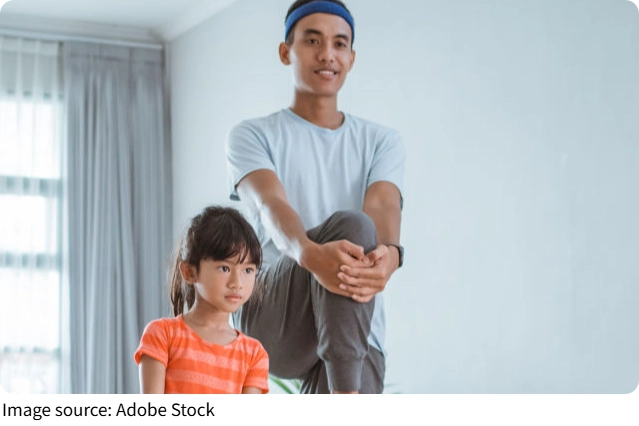
Children's bodies are designed to move, and physical activity plays a key role in healthy growth.
Regular movement strengthens muscles, improves cardiovascular fitness, and supports strong bones throughout childhood.
From a physiological perspective, young bodies that are active tend to master motor skills earlier and more efficiently. Activities such as biking, swimming, or simple playground games require coordination and balance, helping children develop movement skills that are essential for more advanced sports and daily tasks.
Sharper Focus and Cognitive Benefits
Physical activity isn't just good for the body — it is also strongly linked to improved brain function and attention. When children engage in active play or structured exercise, blood flow to the brain increases, supporting the delivery of oxygen and nutrients that aid cognitive processes. Research shows that active kids often exhibit better attention spans and enhanced executive functions — skills such as planning, working memory, and task switching — which are valuable in school and daily life.
In addition, exercise stimulates the release of neurotransmitters that help regulate mood and support mental attention. For example, increased levels of dopamine and norepinephrine have been associated with better focus, a benefit that can be particularly important for children during academic tasks.
Emotional Well Being and Stress Management
Beyond physical and cognitive improvements, regular activity plays a significant role in children's emotional health. Active play and sports stimulate the release of endorphins — chemicals in the brain that naturally elevate mood and reduce stress. This process helps children manage feelings of anxiety and tension, contributing to emotional resilience.
Moreover, activities like team sports or group games provide social support, encouraging children to build connections with peers. These shared experiences offer emotional benefits, reinforcing self esteem and a positive sense of self worth.
According to Dr. Jessica Hawks, PhD, a child and adolescent psychologist at Children’s Hospital Colorado, regular physical activity not only promotes physical health but also helps curb negative thinking and decrease stress hormones by increasing levels of mood‑boosting brain chemicals like serotonin and endorphins, which can improve children’s emotional well‑being and resilience.
Teamwork and Social Skills Through Play
Structured sports and group activities expose children to important social dynamics that extend beyond physical movement. Participating in team sports encourages cooperation, communication, and mutual encouragement. When children learn to work together toward a common goal — whether scoring a point, completing a relay, or practicing drills — they also develop interpersonal skills that are valuable in friendships and community settings.
Team activities inherently involve shared responsibility. Children learn to support one another through successes and setbacks alike, deepening their understanding of empathy and respect. These experiences not only strengthen peer bonds but also reinforce the emotional tools needed to navigate life's challenges.
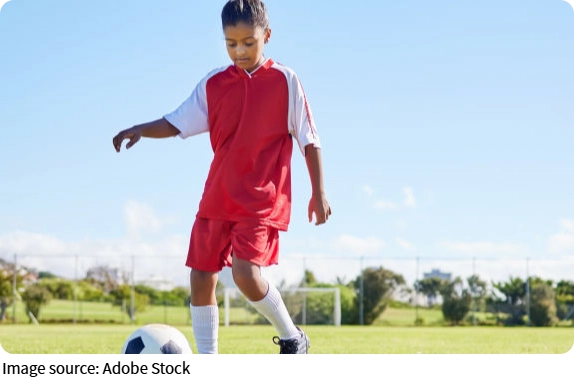
Practical Ways to Encourage Active Lifestyles
Parents, caregivers, and educators can support children's active growth in many accessible ways:
Effective strategies include:
1. Encouraging at least 60 minutes of varied physical activity daily, such as walking, free play, or organized sports.
2. Including outdoor play, where children benefit from fresh air, unstructured movement, and exposure to natural environments.
3. Providing opportunities for team based activities, which can strengthen cooperation and social engagement.
These practices help children build habits that support both physical health and emotional well being.
Reflections on Active Growth
In a world where sedentary activities are increasingly common, the evidence is clear: physical activity is foundational to children's development. Not only does exercise support strong bodies, but it also enhances attention, strengthens emotional resilience, and fosters vital social skills. By prioritizing movement and play, communities can help ensure that children grow with both confidence and capability. These benefits extend from the playground to the classroom and beyond, shaping healthier, happier individuals as they move through life.
Popular
Popular Types of Coffee
Discover flavors, styles, and how each coffee is uniquely crafted.
Kids Outdoor Joy
Easy Outdoor Games That Instantly Boost Kids’ Happiness, Energy, and Coordination—Fun for the Whole Family!
Daily Rituals for Love
Small shared habits that turn everyday moments into lasting connection
Symbolism of Flowers
Discover what roses, lilies, and tulips truly represent in the language of blooms.