Camera Magic Tricks
Camera Magic TricksPosted by Owen Murphy on 18-03-2026
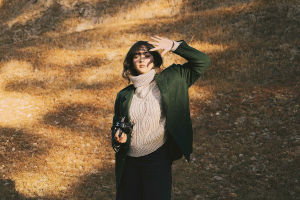
Useful Tips
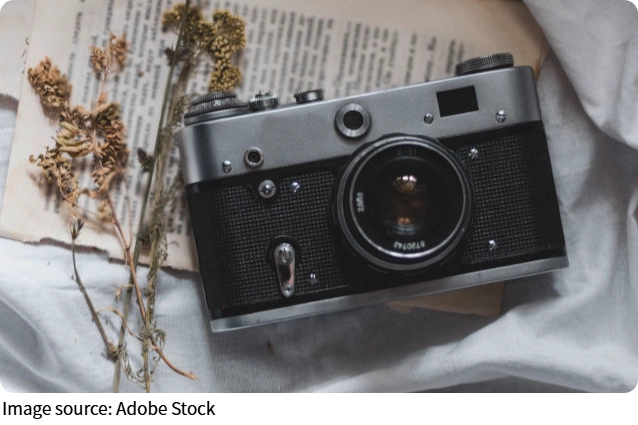
We’ve all been there—excitedly buying a new camera, only to watch it sit in the corner gathering dust. Those confusing settings and tricky composition rules can make photography feel overwhelming. Then one day, seeing someone snap jaw-dropping photos just with a phone sparked a shift.
We decided it was time to put our cameras to work. Slowly, by learning basic techniques and experimenting with light, composition, and angles, we discovered photography isn’t as intimidating as it seems. Simple, practical tricks can transform ordinary shots into cinematic wonders.
Mastering Composition: Building Visual Feasts
- Rule of Thirds: One of the simplest yet most powerful tools is the rule of thirds, also known as the nine-grid composition. Divide the frame into three equal parts horizontally and vertically to form a “grid.” Place the main subject at the intersection points to create balanced, appealing images.
For instance, photographing skyscrapers with the top-right grid intersection emphasizes the building’s height against a clear sky, while leaving negative space gives the scene breathing room. Portraits benefit too—placing eyes or key features on a grid point naturally draws attention to emotions. Street performers can also be framed on a grid point, with spectators and props filling the background to show both action and context.
- Symmetry: Symmetrical composition conveys stability and harmony, perfect for buildings or reflective water surfaces. Aligning a structure’s central axis in the middle of the frame highlights architectural balance.
Imagine the grand halls of an ancient palace: every roof curve, wall, and detail reflected in symmetry exudes majesty. Lakes offer another opportunity; calm water mirrors the landscape above, creating serene, harmonious compositions. Maintaining level horizons ensures perfect reflection, adding visual appeal and a sense of calm.
- Leading Lines: Use actual or implied lines—roads, railings, rivers, or even gaze directions—to draw the viewer’s eyes toward your subject. Shooting a winding mountain path, for example, creates depth, guiding viewers from foreground to distant peaks.
Urban streets work similarly; streetlights, wires, or pavement lines can focus attention on distant buildings or pedestrians. Picture a bustling avenue in Paris: symmetrical streetlights and the long perspective naturally lead the eye to a landmark, making the scene dynamic and compelling.
Capturing Moments: Freezing Life’s Highlights
- Focus and Timing: Quick focus is crucial when catching fleeting moments. Switch to continuous focus mode to track moving subjects. Sports are perfect practice—athletes sprinting, jumping, or kicking create dynamic shots. Using continuous focus ensures the subject remains sharp.
- Predict the Action: Anticipate interesting moments by observing movement patterns. A street performer juggling or throwing objects can be captured by predicting the highest point of the toss or peak of motion.
- Burst Mode: Using continuous shooting increases chances of capturing the perfect moment. Kids playing or running provide ideal practice; we can pick the exact frame with the happiest smile or most natural movement, freezing genuine joy forever.
- Choosing the Scene: Sports, wildlife, or daily life all hold moments worth catching. Basketball jumps, cheetahs sprinting, family gatherings, street performances—these scenarios reward careful observation and timing. Capture natural expressions, interactions, and fleeting gestures that tell a story.
The calm smile of an elderly person basking in sunlight or children flying kites in a park can communicate serenity and happiness in a single frame.
Creating Cinematic Shots: One-Minute Tricks
- Location Selection: Choose locations that add depth and intrigue. Alleyways with vanishing perspectives, long corridors, winding roads through greenery—all invite curiosity. Outdoor nature scenes like expansive grasslands or tranquil lakes provide soft, low-saturation backdrops, ideal for emphasizing subjects against cinematic landscapes.
- Golden Hour Lighting: Around 4 PM, the soft sunlight casts long shadows and subtle highlights. Side lighting enhances contours and texture, giving images dimensionality. Portraits benefit greatly; hair glows, features stand out, and the warm light bathes the scene in story-like warmth.
- Using Shadows and Light: Look for areas with contrasting light. Urban shadows, tree patterns, or building silhouettes can dramatize a scene. For example, sunlight filtering through tree leaves onto a street creates dynamic light patches, perfect for placing models or objects, adding a poetic, cinematic feel.
- Post-Processing: Editing completes the cinematic transformation. Crop to 2.35:1 or 16:9 ratios, simulate black borders, adjust exposure, and tweak highlights for layered depth. Adjust colors, saturation, and temperature to match the scene’s mood—blues and purples for nighttime city shots, soft earthy tones for nature, or golden warmth for portraits. Editing should feel like storytelling, emphasizing atmosphere and emotion while keeping visuals polished.
Your Camera, Your Story
We hope this guide inspires you to stop letting your camera gather dust. Photography is about seeing the world differently, capturing stories in light, shadow, and movement. With simple techniques, practice, and patience, we can turn everyday moments into cinematic memories.
So pick up your camera, explore, experiment, and enjoy the thrill of capturing life’s fleeting beauty, one frame at a time.
Popular
Cat Social Language
Decode how felines talk with body signals and vocal cues
Move Together, Stay Healthy
Ever wondered how your pet could be your best fitness partner?
Moments That Matter
Why do shared wins strengthen families more than rules or rewards?
Everyday Lessons Inside
Daily routines quietly teach emotions long before anyone notices.