Quiet Style, Loud Impact
Quiet Style, Loud ImpactPosted by Chris Isidore on 16-03-2026
On Trend
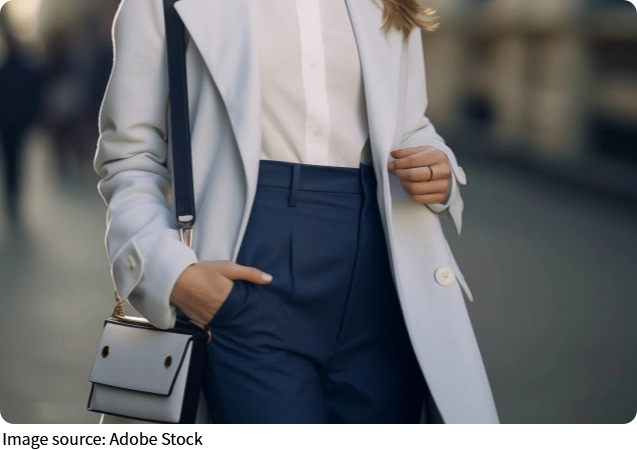
The other day, I noticed a woman in a café wearing a simple, oversized oatmeal sweater, perfectly tailored trousers, and flat leather loafers. No logos. No statement bag. But something about her outfit felt expensive—effortlessly so. I couldn't place a single brand, yet the entire look whispered luxury.
That's the essence of "quiet luxury." And lately, more people—not just the ultra-wealthy—are trying to master it. But how exactly do you look expensive without wearing visible brands? And is it really possible to pull it off while shopping at places like Zara or Uniqlo?
Let's break down what's really behind this shift—and how to make it work in everyday life.
The Aesthetic of Subtle Confidence
For decades, logos were power symbols. A giant G or monogrammed pattern announced not just style, but spending. Now, the pendulum has swung the other way.
Brands like The Row and Loro Piana have become icons of this "silent wealth" aesthetic. Their pieces are understated to the point of being almost plain—neutral colors, clean silhouettes, and ultra-premium materials. What you're paying for isn't flash—it's feel.
But here's the key: These brands have shifted what we notice. People are now trained to recognize the cut, the fit, the texture. It's a different kind of eye. The kind that sees a cashmere coat and can tell—without touching—that it's soft enough to melt.
What Changed the Middle-Class Mindset
So how did this trickle down into everyday wardrobes? A few reasons:
1. Social fatigue with over-branding: After years of logo-splashed influencers and loud designer collaborations, the aspirational class started to burn out. Quiet luxury feels like the antidote.
2. Better fashion literacy: Thanks to social media (ironically), more people now understand tailoring, fabrics, and color theory.
3. Economic practicality disguised as minimalism: Many are choosing to buy fewer items—but better ones. This doesn't always mean designer. It might mean spending $90 on a coat from COS that'll last five winters instead of $35 on one that pills in five weeks.
How to Get the Quiet Luxury Look (Without the Price Tag)
You don't need a five-figure wardrobe to look refined. What matters more is knowing what to look for.
1. Focus on fabric: The easiest giveaway of a cheap item? A shiny, thin, synthetic fabric. Look for pieces in natural or blended materials—cotton, wool, linen, or even lyocell. These tend to hang better, breathe better, and age better.
Try this: Uniqlo's premium linen shirts in earth tones can be a summer staple. Pair with structured trousers for instant polish.
2. Stick to a neutral palette: Black, navy, cream, taupe, camel, grey. These tones don't scream—they suggest. And they're easier to mix and match, which means fewer items go further.
Tip: Monochrome outfits (like all-cream or all-grey) always look more expensive.
3. Tailoring > Trend: A well-fitted blazer from H&M will beat an ill-fitting designer one any day. Look at the shoulders, sleeves, and hem length. If it's even close, a $20 tailor job can make it look ten times pricier.
4. Keep accessories minimal and meaningful: Ditch the logo-covered totes. Opt for one structured leather (or faux leather) bag in a muted tone. Jewelry? Think dainty gold hoops or a thin chain bracelet—nothing oversized or plastic.
5. Shoes that don't try too hard: You don't need Loro Piana loafers. A clean, leather (or leather-look) loafer or boot in black or tan goes a long way. Avoid chunky logos or bold embellishments.
Where to Shop (Strategically)
Not all fast fashion is created equal. Some brands occasionally lean into minimalist, high-quality basics. You just need to know what to skip—and what to seek.
- Uniqlo: Great for tailoring basics, cashmere blends, and seasonal neutral color drops. Look at their U or +J lines.
- COS: A step up in both design and fabric. Sculptural cuts, minimal palettes, and excellent coats.
- Zara: Hit or miss, but their "Zara Atelier" or "limited edition" lines often have elevated fabrics and cuts. Avoid polyester-heavy pieces.
- Arket: Understated and practical with Scandinavian influence. They focus on materials and timeless shapes.
- Thrift and consignment: Quiet luxury isn't about "new." Secondhand blazers or classic wool coats from past decades often outperform new fast-fashion ones.
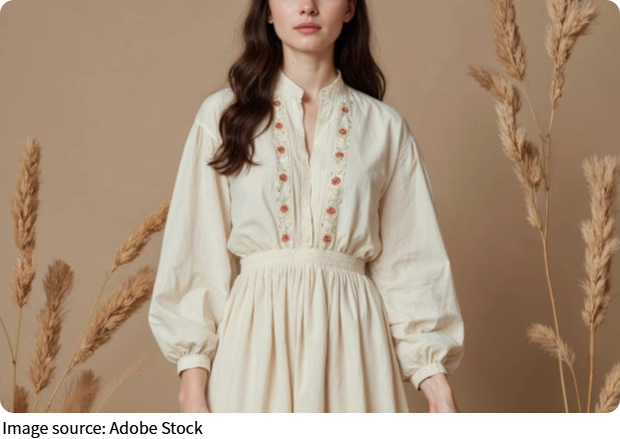
The Real Secret: Confidence in Restraint
Looking expensive without logos isn't really about clothes—it's about intent. The quiet luxury mindset is about choosing pieces that last, that speak softly, and that reflect your own taste rather than someone else's branding.
There's power in not needing to prove anything.
So next time you reach for a statement tee, maybe pause. Try something simpler. Let the cut do the talking. Let the fabric speak. And see what happens when you stop trying to show wealth—and just wear it, quietly.
After all, the most refined people in the room are often the ones saying the least.
Popular
Quiet Style, Loud Impact
Why Luxury No Longer Needs a Logo—and How to Achieve the Look on Any Budget.
One Piece, Two Lives
This smart styling trick can double your wardrobe—without buying more!
Old Clothes, New Meaning
Gen Z isn't just thrifting for fun—it's how they express who they are!
Spring Dress Style
Discover the must‑wear dress trends of spring and how to style them for everyday elegance